
Ideas to Action:

Independent research for global prosperity

The Future of the World Bank

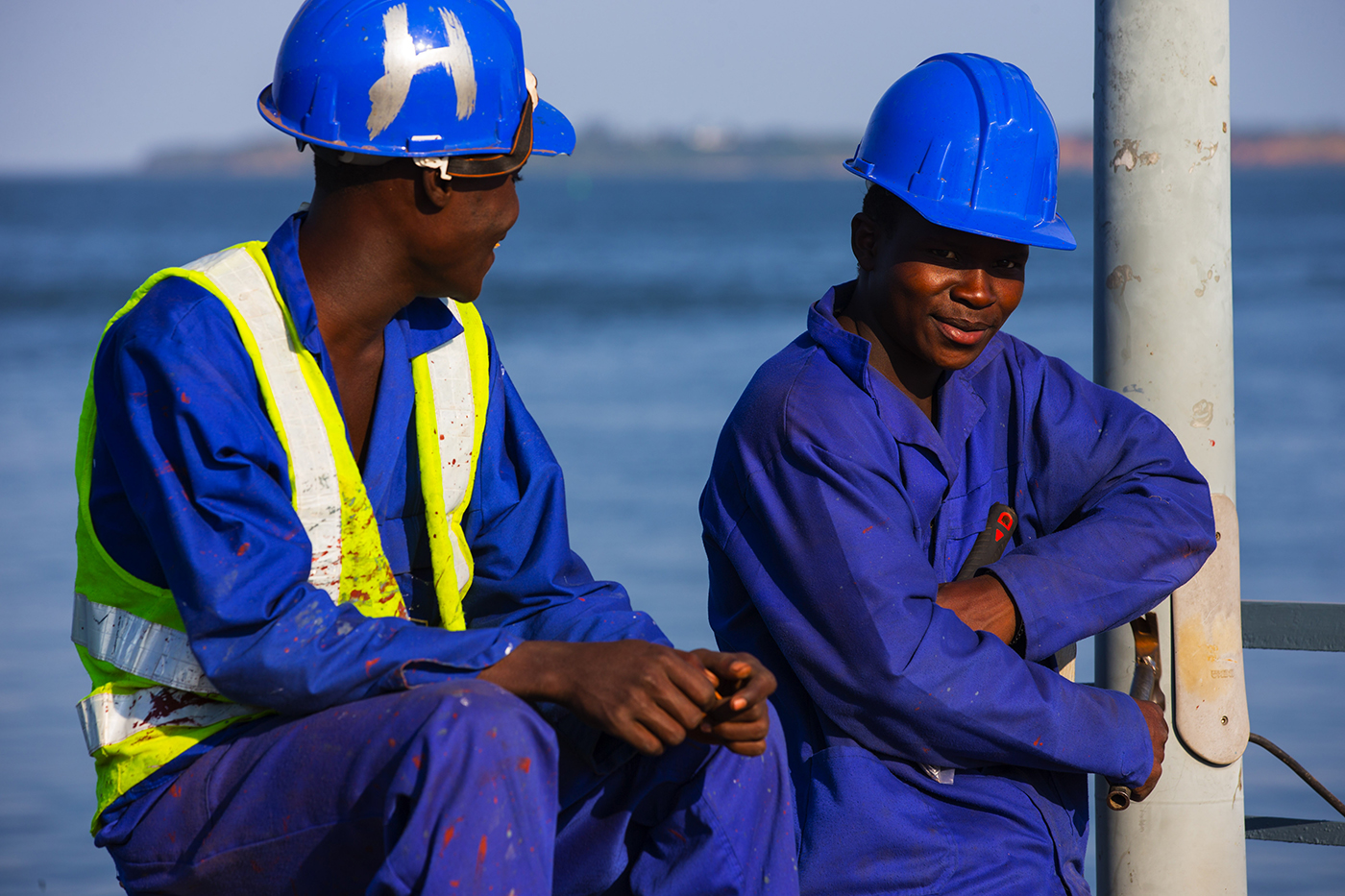
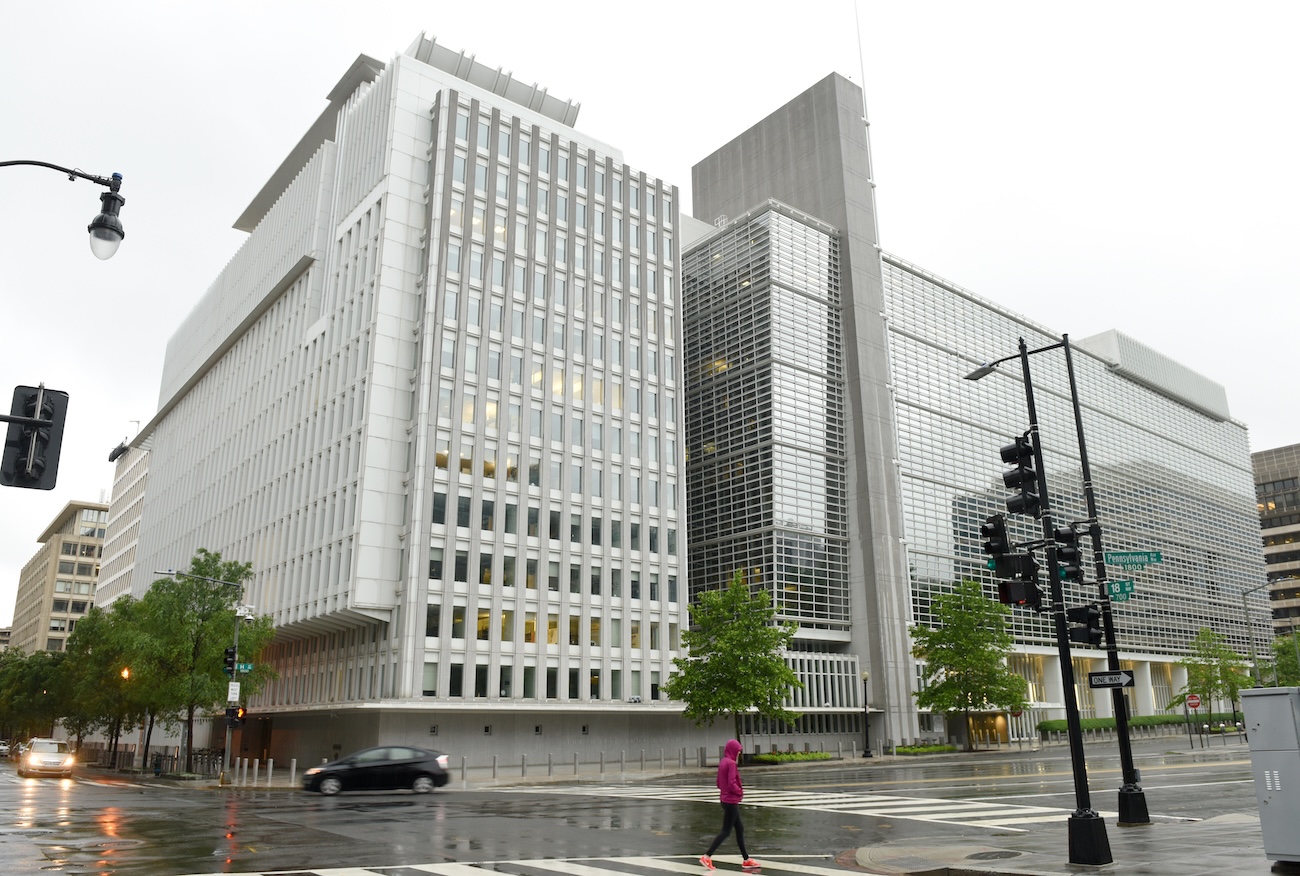
CGD has an active program of research and analysis of the World Bank, the world’s largest development institution and a leading source of funds, ideas, and expertise for development. Leadership succession, and the selection process that accompanies it, offers an opportunity for the bank’s shareholders—the nations of the world—and the international development community to take stock of the bank's performance and identify opportunities for improvement. Bob Zoellick’s completion of his term in June 2012 provided one such opening. Photo: World Bank / cc


XSubscribe to Content Alerts for this initiative

You will receive alerts via e-mail when new content is added to this page.

(if not affiliated type "individuals")
Share

Highlights

The Future of IDA Working Group report Soft Lending without Poor Countries: Recommendations for a New IDA published, October 9, 2012.
 

During leadership successions at the World Bank in 2007 and the IMF in 2011, CGD conducted online surveys to solicit views on the selection process. Both found remarkable unity among respondents on the need to make the process more open, transparent, and merit-based. In 2008 the Development Committee, the intergovernmental body that oversees the bank, expressed a consensus view on governance reform of the institution along similar lines, though it stopped short of what many consider to be a vital component: opening the process to include candidates who are not American. In a February 2012 blog post, Nancy Birdsall offered advice to the US government on how to balance its paper commitment to governance reform against political realities in an election year.

Other CGD work offers new ideas about what the World Bank is and ought to be and practical suggestions for making the World Bank more effective, accountable, and legitimate in a rapidly changing global economy. For example, Birdsall calls for a restoration of the founders’ original vision of the bank as a global credit union, and in another piece with Arvind Subramanian she argues the bank should use more of its considerable technical and financial resources to address global public good challenges such as runaway climate change, the development of new health and agriculture technologies, and the need to make markets for new financial and other products. Birdsall, Bill Savedoff, and Alan Gelb have contributed to a lively debate around the bank’s new results-based lending instrument, Program-for-Results, which was approved by the World Bank's Board of Directors in January 2012.

One of the most pressing issues facing the World Bank over the next decade is the likelihood that more than half of the countries now eligible for loans from its soft lending window, the International Development Association (IDA), will graduate out of IDA-eligibility by 2025. The remaining countries will be almost entirely African, and a majority will be countries currently designated fragile or post-conflict. Todd Moss and Ben Leo examined the implications for IDA's operational and financial models, and proposed three options for IDA going forward. Alan Gelb explored ways for IDA to create incentives for results and flexibility in fragile states. CGD convened Future of IDA Working Group to think through these options and to help spark new ideas and, in 2012, released a report summarizing the recommendations.

Past work also includes a 2005 report of a CGD task force chaired by Birdsall and Devesh Kapur (who is a co-author of this 1997 authoritative history of the World Bank). The report laid out five bold but practical recommendations for restoring the legitimacy and increasing the effectiveness of the World Bank. Much of that work remains relevant today.