Ideas to action: independent research for global prosperity
Inequality
More from the Series
Blog Post
October 05, 2023
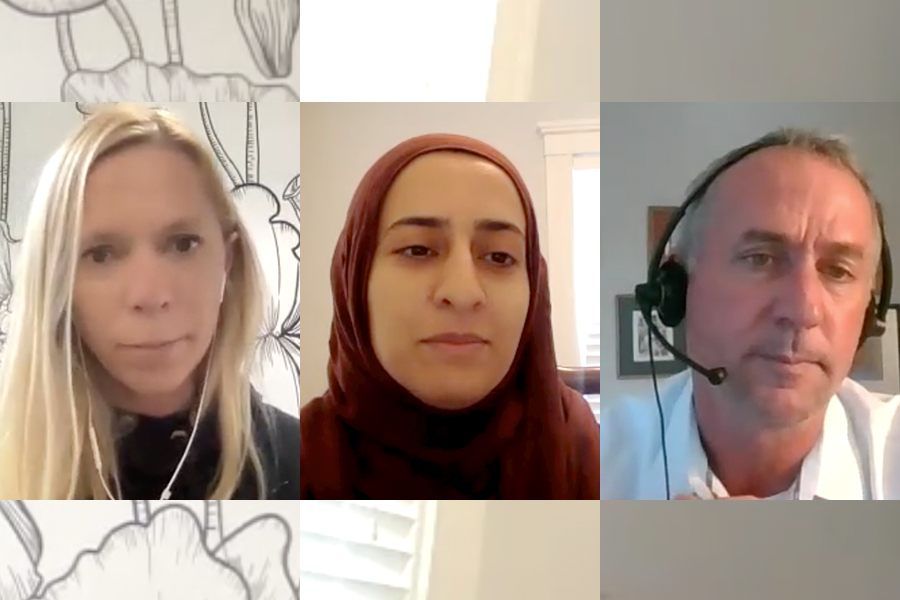
Only one woman born and raised in a low- or middle-income country has ever headed an international financial institution. CGD's Eeshani Kandpal speaks with Francisco Ferreira from the London School of Economics and Amie Batson from WomenLift Health about what effective mentorship and allyship can lo...

Blog Post
October 13, 2022
On this episode of Pandemic Proof, Dr. Ayoade Alakija, the World Health Organization’s Special Envoy for the Access to COVID-19 Tools Accelerator (ACT-A) and co-chair of the African Union’s African Vaccine Delivery Alliance, joins Javier Guzman to discuss global cooperation during health emergencies...
Blog Post
April 08, 2021
The last eighteen months have shattered any pretense that global development can be taken as given. As ‘impatient optimist’ Bill Gates declared “The COVID-19 pandemic has not only stopped progress — it's pushed it backwards.” Beyond health, the COVID-19 crisis increased global poverty as well as nat...