Ideas to Action:

Independent research for global prosperity

Rethinking US Foreign Assistance Blog

The Rethinking US Foreign Assistance Blog complements CGD's Rethinking U.S. Foreign Assistance initiative. Both are for professionals interested in tracking US Foreign Assistance and its impact on developing countries.

X

Rethinking US Foreign Assistance Blog

Feed


Rethink Roundup

Lots of Rethink-relevant news and announcements lately. Here’s our roundup:

  1. White House issues exciting new open data policy.
     
  2. MCC launches evaluation catalog with metadata (microdata forthcoming) from its independent evaluations. First up: food security.
     
  3. The end of extreme poverty? The question, some data, and why it isn’t enough.
     
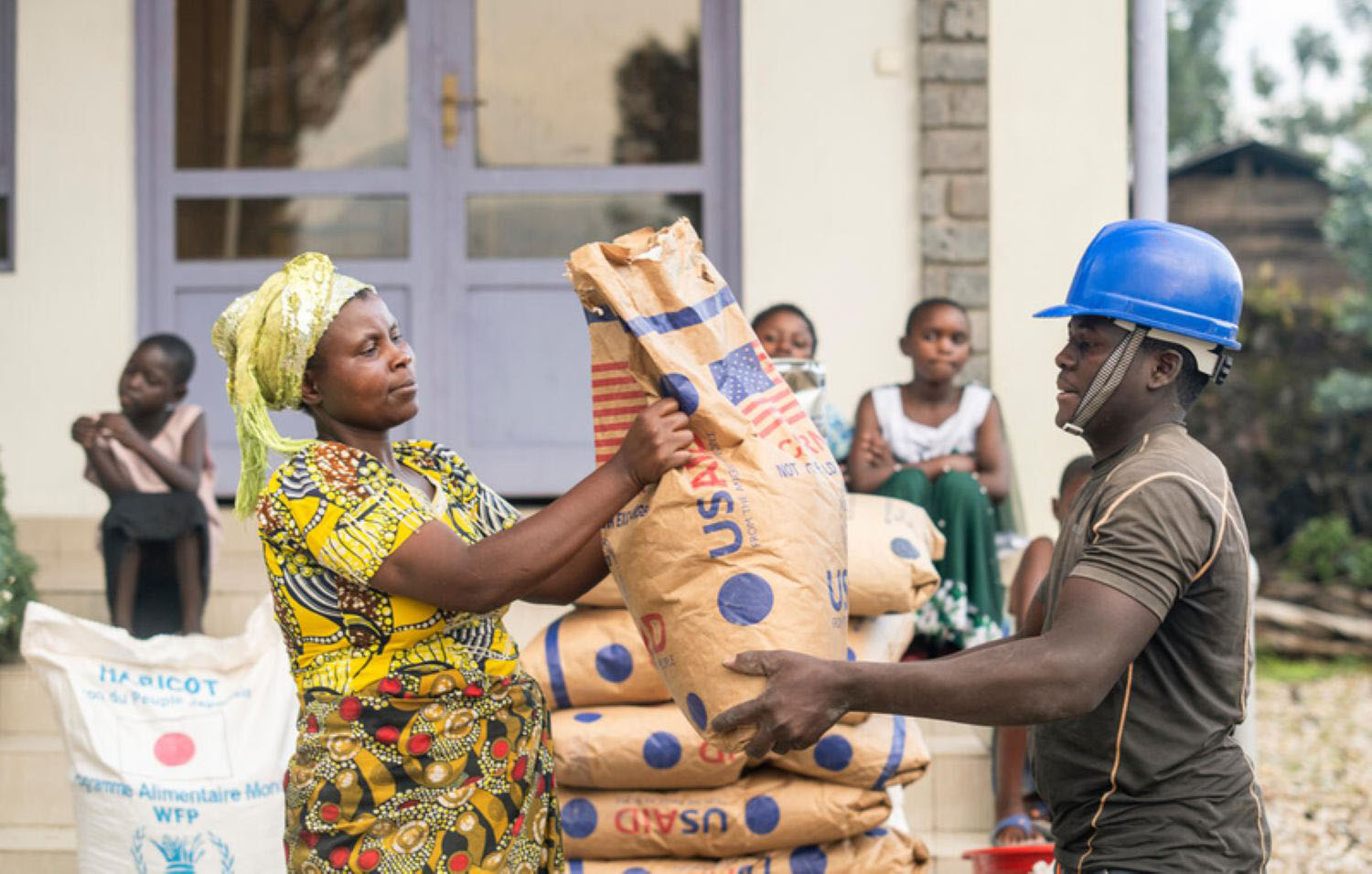
  4. Kerry, Shah and Vilsack (the State-USAID-Department of Agriculture triumvirate) urge the United States to get with the times on food aid.
     
  5. Rep. Gerry Connolly (D-VA) gives a foreign assistance act rewrite another go.

Foreign Assistance Dashboard Tweaks and New Data

If you haven’t looked at the Foreign Assistance Dashboard lately, I’d suggest you do so. The government’s online platform and (eventual) one-stop-shop for storing and visualizing US aid data has some new features. There are new displays of existing data, plus the first set of USAID and MCC quarterly financial data. These tweaks and more timely data are a step in the right direction, but more US federal agencies need to leap onboard and start adding their data to the mix.

Foreign Aid in Congress: Five Contradictions

I was pleasantly surprised by the House Foreign Affairs Committee hearing last week on the FY2014 USAID and MCC budgets. I expected a remix of the partisan spats I watched two years ago. Instead, there was impressive congressional turnout plus serious questions and thorough answers. There was even some friendly competition between USAID and MCC. But five contradictions come up anytime foreign aid is on the Hill and the latest budget hearing was no exception.

Foreign Aid Remix: Yohannes and Shah Head Back to the Hill

MCC CEO Daniel Yohannes and USAID Administrator Rajiv Shah are heading back to Capitol Hill Thursday to testify together before the House Foreign Affairs Committee. I expect Yohannes and Shah will sing different parts of the same tune: the United States is prepared to do more with less as it strives to fulfill the administration’s global development vision. But it should also be a remix of their joint hearing two years ago with questions on how Congress should prioritize among US development programs. Shah and Yohannes can hit some new high notes on how their agencies are being selective with aid dollars, sharing more aid data and doing better evaluation. They should also be clear about the differences between USAID and MCC. And let’s hope the committee members can avoid the low notes from two years ago when partisan spats (including some in Latin) marred what could have been an important development policy conversation between the executive branch and Congress.

Kerry on US Development Investments: Doing More with Less

The $52 billion FY2014 international affairs budget request is a small investment with big returns for the United States and the world, Secretary of State John Kerry said in congressional hearings last week.  The request is the same amount Congress allocated in FY2013 and a four percent cut from FY2012. Kerry told members of Congress that the State Department and USAID are prepared to do more with less.

Budget Bonanza: What You Need to Know on Foreign Aid, Food Aid, and the IMF


Statutory deadlines and sequester disarray aside, we at last have President Obama's FY2014 budget request. It's not the grand vision that most budget requests are—instead, it's being touted (or derided) as a budget of compromise, particularly on the domestic front. Unlike a normal budget process, we already have the House and Senate budget resolutions, so this is broadly more about a longer-term fiscal agreement than about influencing specific FY14 funding numbers. 
 

A Scalpel, Not an Ax, for President’s FY14 Foreign Aid Budget

President Obama's total FY2014 international affairs budget request--$52 billion--looks a lot like what was left for international affairs in FY2013 after sequestration. But the administration uses a scalpel, not an ax, to get there in FY2014. The FY2014 budget, if approved, shifts significant resources away from Iraq, Afghanistan, Pakistan and concentrates spending on food security, global health and multilateral investments. And the big news, of course, is an overhaul of US food aid.
 
I see three signs the president’s scalpel is guided by his 2010 Presidential Policy Directive on Global Development (PPD) (and I owe a huge debt to the always-stellar USGLC budget analysis from Larry Nowels and others):

Don’t Count the IMF Out on the Hill

As expected, the president’s budget includes a request for Congress to approve US participation in the 2010 IMF quota reform agreement.  There’s a very strong case for approving the request, and I’ll simply point you herehere, and here to read it in detail.  Suffice it to say, the IMF is a bargain for US taxpayers, promoting growth and stability globally in ways that directly benefit the US economy and often working in support of US strategic interests around the world. 

Pages

Tags

Experts