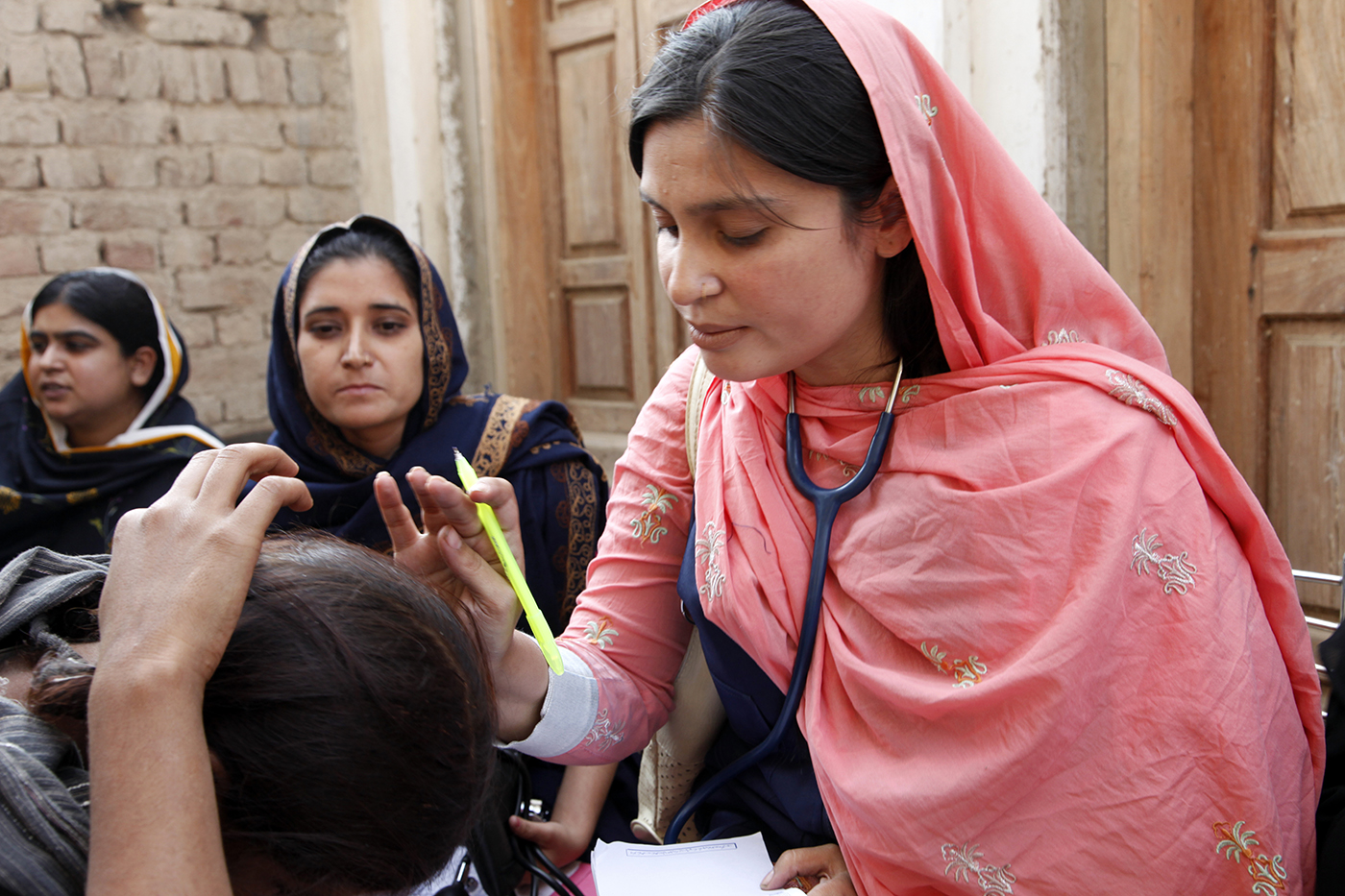
Total fertility has been decreasing in many African countries—from 5.9 in 2001 to 4.6 in 2009 in Ethiopia and 5.5 in 2001 to 4.9 in 2009 in Senegal, though still high in comparison to many parts of the world (for more data on total fertility trends see here). This decline has come with both health benefits and development opportunities, but there is still a great need for improved population policies. Luckily, the field of research covering the economic and demographic responses to reproductive health interventions, as well as other fertility related factors, has developed into a vibrant and growing community over the last decade. Last week these individuals got together at the 6th annual PopPov conference in Accra, Ghana—bringing together economists, demographers, sociologists and public health experts from all over the world. To learn more, check out a new informational video on the PopPov’s homepage.At the conference, many hypotheses, analyses and challenges were discussed through formal seminars and on-the-margin conversations in the hallways and over meals. So what are the folks in population and development talking about? Here are some highlights, themes, and interesting findings:Latent demand is thought to be expansive: Despite vast science demonstrating the impact of contraceptive use on fertility, there is still a significant unmet need. Dr. Fred Sai, former Presidential Adviser on Population Issues, Reproductive Health, HIV and AIDS in Ghana showed that modern contraceptive use is still less than 20 percent in Ghana, with usage rate ranges from 50-10 percent throughout the region. Improved access and uptake of contraceptives would help reduce maternal mortality (Africa currently accounts for more than 40 percent of the global burden) and have positive effects on child and economic outcomes (See more on Dr. Sai's keynote here). While reduced fertility and increased contraceptive use has been correlated with increasing levels of development, there has been debate as to the true source of the “demand” for reproductive health services. CGD non-resident fellow Lant Prichett has suggested that unmet need for contraceptives is virtually non-existent (perhaps with the exception of family planning advocates), as the majority of the differences in fertility are due to individual preferences rather than access to contraceptives.Studying the effects of existing polices can have surprising results: It was repeatedly stressed during the PopPov conference that analyzing the results of existing policies is often just as important as conducting research to inform the creation of new policies. For instance a presentation by Kelly Jones of IFPRI showed that polices intended to reduce the use of abortion, in this case the Mexico City Policy, actually increased total abortions in Ghana. Similarly, a study by Pörtner et al demonstrated that there was no apparent benefit of family planning programs in Ethiopia for women with formal education—suggesting that improving education may be a viable alternate to family planning. As such, research that evaluates the efficacy of policies can ensure the best use of scare resources.Context matters: “There are very few Bangladeshi’s in Navrongo.” This was a response from Dr. James Phillips from Columbia University, following a question about why the results of the Matlab project in Bangladesh differed from the impact of the Navrongo project in Ghana. In population policy (and likely all areas of policy), fitting interventions to local context is integral to ensuring the success of programs. Interventions tailored for insular and diffused societies, such as Bangladesh, need to be designed differently from the community based systems that are successful in Ghana. Operational models need to be adjusted for specific cultural and geographic changes. Program designers can’t mechanically assume that one intervention will effectively translate from one side of the world to the other.Policy communication is integral to research: How can a researcher make sure her findings get into the hands of relevant policy makers? Most agreed that the key to successful policy communication is to keep the message short and simple using issue briefs to describe larger bodies or work. And of course, make sure the research answers relevant and timely policy questions!Making development sustainable: The need for effective population policy is not embraced by all policy makers in Africa. Some governments feel that increased fertility rates will increase market share and strengthen national economies, despite research that shows decreased fertility can lead to higher educational attainment, better health outcomes, and greater labor force participation (i.e. alternatives to increasing market share through income growth). Similarly, it has been argued that decreased fertility is beneficial from the environmental perspective. David Wheeler suggests that population policy is one of the most cost-effective methods to reduce carbon emissions. Of course, like any good research, Wheeler’s work has been debated—since decreasing fertility is often associated with increased income and industrial growth which typically also increases emissions. It’s not clear yet if the issue of sustainable development will become a larger aspect of the population and development debate, but based on the conversations at PopPov, it’s a theme to keep on your radar.It was clear from the conference that population issues can’t be addressed by the Minster of Health alone. They require cross-disciplinary approaches from education and gender equality, to food security and social insurance. The growing research base on population and development is beneficial in so far as it provides indication for areas of policy changes and innovations, but overall the path ahead is far from clear. What’s great about PopPov is the ubiquitous understanding that the process is a learning experience—and that it takes trial and error sometimes to really figure out ‘what works.’If you want to read more about this year’s PopPov Conference, I suggest you check out the Population Reference Bureau's blog for some great posts by Jay Gribble and Eric Zuehlke.
Topics
DISCLAIMER & PERMISSIONS
CGD's publications reflect the views of the authors, drawing on prior research and experience in their areas of expertise. CGD is a nonpartisan, independent organization and does not take institutional positions. You may use and disseminate CGD's publications under these conditions.