Carol J. Lancaster

Non-Resident Fellow
Education:
High Res Photo
Media Contact: Ben Edwards

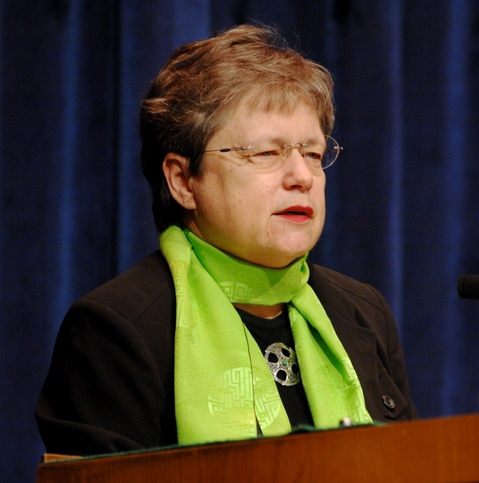
Carol Lancaster is Director of the Mortara Center for International Studies at Georgetown University's School of Foreign Service. Before joining the Georgetown faculty in 1996, Professor Lancaster served three years as Deputy Administrator of the U.S. Agency for International Development. She has also served as Deputy Assistant Secretary of State for African Affairs (1980-81) and as a member of the Policy Planning Staff of the Department of State (1977-80). Lancaster has written several books on African development and U.S. foreign assistance, including Transforming U.S. Aid: United States Assistance in the 21st Century, which was published by the Institute for International Economics, and Aid to Africa: So Much to do, So Little Done. She has written or edited several other books and several dozen articles published in scholarly journals and periodicals. Carol chaired the board of directors of the Center for Economic Development and Population Activities, and currently serves on the board of the Center for Global Development. Previously, she served on the boards of Volunteers in Technical Assistance and World Education. She has been a member of the USAID Advisory Committee on Voluntary Foreign Aid since 1997.

Newest Popular CGD Publications Events Multimedia Selected Works
  • CGD visiting fellow Carol Lancaster testifies in frot of the Senate Foreign Relations Subcommittee on International Development on April 1, 2009.
  • Visiting fellow Carol Lancaster reflects on how Guatemala has changed since her first visit four decades ago. A larger middle class and formal sector, more NGOs, and more women in professional life: these are among the positive changes. Yet the country is poised to either realize its great potential or succumb to obstacles along the way. U.S. policies can influence the future of Guatemala and other countries in the region, but they must look beyond the narrow focus on drugs and migration.
  • In this new CGD book, visiting fellow Carol Lancaster analyzes the dramatic changes in U.S. foreign aid during the Bush administration, including the increased use of aid to address failed states and to fight the global war on terror, the establishment of an entirely new aid agency—the Millennium Challenge Corporation (MCC), and the use of large amounts of aid to address a single problem, as with the President’s Emergency Plan for AIDS Relief (PEPFAR). Lancaster analyzes the origins of these shifts in aid, their promise and potential problems, and she concludes with recommendations to revise the purposes and organization of U.S. aid for the future.Learn More
  • Sierra Leone, where a brutal decade-long civil war finally ended in 2002, has just held remarkably fair, peaceful and well-organized elections. CGD visiting fellow Carol Lancaster, a former deputy administrator of USAID, was there as an election observer. In a new CGD Essay, she reflects on what democracy means in a country with a mere 35 percent literacy rate, a 70 percent unemployment rate, and life expectancy of only 40 years. She writes that progress will depend upon the new government's ability to tackle corruption, rebuild infrastructure and encourage investment. It will also require the emergence of a domestic constituency with the knowledge, power and commitment to hold new leaders accountable. Learn More
  • The Chinese Aid System - Jun 27, 2007
    Chinese foreign aid is rising fast and Western aid agencies are concerned: will Chinese aid undermine efforts to promote reform in Africa and elsewhere? Will Chinese loans burden poor countries with fresh debt? In this new essay, CGD visiting fellow Carol Lancaster provides a concise and accessible overview of what is known--and not known--about the Chinese aid system. She advises aid agencies in Europe, North America and Japan to increase communication and to seek opportunities for collaboration with Beijing.
  • The devil will be in the details in the establishment of the Millennium Challenge Corporation (MCC)--as it is with most organizational innovations. In this MCA Monitor Analysis Carol Lancaster identifies five major issues that must be addressed: the political process by which the MCC will be established; how the MCC will be funded; the criteria for eligibility; implementation of programs; and the management of the organization, including the role of the Board.
  • The oldest saw in Washington is the saying "Where you stand depends on where you sit". But just because it’s old doesn’t mean it isn’t right. This paper presents the options for housing the Millennium Challenge Account. Whether it is fully or partially integrated into an existing organization or created as a new organization, where this account is lodged organizationally will shape what it does, regardless of what the president intends it to do.
  • USAID in the 21st Century: What Do We Need for the Tasks at Hand? - Apr 6, 2009
    CGD visiting fellow Carol Lancaster testifies in frot of the Senate Foreign Relations Subcommittee on International Development on April 1, 2009.
  • Guatemala . . . Teetering on the Brink? - Sep 9, 2008
    Visiting fellow Carol Lancaster reflects on how Guatemala has changed since her first visit four decades ago. A larger middle class and formal sector, more NGOs, and more women in professional life: these are among the positive changes. Yet the country is poised to either realize its great potential or succumb to obstacles along the way. U.S. policies can influence the future of Guatemala and other countries in the region, but they must look beyond the narrow focus on drugs and migration.
  • George Bush's Foreign Aid: Transformation or Chaos? - May 16, 2008
    In this new CGD book, visiting fellow Carol Lancaster analyzes the dramatic changes in U.S. foreign aid during the Bush administration, including the increased use of aid to address failed states and to fight the global war on terror, the establishment of an entirely new aid agency—the Millennium Challenge Corporation (MCC), and the use of large amounts of aid to address a single problem, as with the President’s Emergency Plan for AIDS Relief (PEPFAR). Lancaster analyzes the origins of these shifts in aid, their promise and potential problems, and she concludes with recommendations to revise the purposes and organization of U.S. aid for the future.Learn More
  • We Fall Down and Get Up: Carol Lancaster Reports on Elections in Sierra Leone - Aug 27, 2007
    Sierra Leone, where a brutal decade-long civil war finally ended in 2002, has just held remarkably fair, peaceful and well-organized elections. CGD visiting fellow Carol Lancaster, a former deputy administrator of USAID, was there as an election observer. In a new CGD Essay, she reflects on what democracy means in a country with a mere 35 percent literacy rate, a 70 percent unemployment rate, and life expectancy of only 40 years. She writes that progress will depend upon the new government's ability to tackle corruption, rebuild infrastructure and encourage investment. It will also require the emergence of a domestic constituency with the knowledge, power and commitment to hold new leaders accountable. Learn More
  • The Chinese Aid System - Jun 27, 2007
    Chinese foreign aid is rising fast and Western aid agencies are concerned: will Chinese aid undermine efforts to promote reform in Africa and elsewhere? Will Chinese loans burden poor countries with fresh debt? In this new essay, CGD visiting fellow Carol Lancaster provides a concise and accessible overview of what is known--and not known--about the Chinese aid system. She advises aid agencies in Europe, North America and Japan to increase communication and to seek opportunities for collaboration with Beijing.
  • The Devil is in the Details: From the Millennium Challenge Account to the Millennium Challenge Corporation - Dec 11, 2002
    The devil will be in the details in the establishment of the Millennium Challenge Corporation (MCC)--as it is with most organizational innovations. In this MCA Monitor Analysis Carol Lancaster identifies five major issues that must be addressed: the political process by which the MCC will be established; how the MCC will be funded; the criteria for eligibility; implementation of programs; and the management of the organization, including the role of the Board.
  • Where to Put the Millennium Challenge Account? - Oct 15, 2002
    The oldest saw in Washington is the saying "Where you stand depends on where you sit". But just because it’s old doesn’t mean it isn’t right. This paper presents the options for housing the Millennium Challenge Account. Whether it is fully or partially integrated into an existing organization or created as a new organization, where this account is lodged organizationally will shape what it does, regardless of what the president intends it to do.
  • Congressional Hearing: USAID in the 21st Century - Apr 1, 2009

    USAID IN THE 21ST CENTURY HEARING before the COMMITTEE ON FOREIGN RELATIONS UNITED STATES SENATE ONE HUNDRED ELEVENTH CONGRESS FIRST SESSION Wednesday, April 1, 2009 Time: 9:30 A.M. Place: 419 Dirksen Senate Building

  • If It Doesn’t Get Counted, Does It Count? New Measures of Aid Quality for Microfinance, Humanitarian Aid, and Everything Else - Dec 16, 2008

    The last decade has seen a growing number of efforts to measure the quality of foreign aid, including part of CGD's own Commitment to Development Index (CDI). This event will showcase three new projects of this kind—projects that dramatize how the quality of aid matters as well the quantity, that point to specific ways to improve aid, and that create incentives for reform. The SmartAid for Microfinance Index of CGAP, an independent policy and research center dedicated to advancing financial access for poor people, scores donors and investors on how well they are set up to support microfinance. The Humanitarian Response Index of Madrid-based DARA International measures the quality of aid that responds to natural disasters, famine, and refugee crises. Finally, a new CGD project is assembling indicators of general aid quality, covering such aspects as aid volatility and use of independent evaluation. Come find out which donors do well and why—and develop your own measure of the value of such projects for gauging and improving aid quality.

  • New Day, New Way: U.S. Foreign Assistance for the 21st Century - Jun 10, 2008

    U.S. engagement with the world has been affected by new foreign policy, national security, and economic challenges. These global challenges have stretched the bounds of both civilian and military involvement in development. The current system of foreign assistance has proven to be inflexible and outdated, unable to meet the needs for international investment. This investment, however, must be a lynchpin of U.S. national security in the 21st century – one of the three integral parts of diplomacy, defense, and development. A growing contingent of policy experts has agreed that U.S. foreign assistance must change in order to be more effective, responsive, and efficient. The "New Day, New Way: U.S. Foreign Assistance for the 21st Century" report is the first step towards this mobilization. Amidst the myriad of proposals, commissions, reports, and debates around the topic of how to best design and achieve reform, the Modernizing Foreign Assistance Network has coalesced to build a solid foundation for a grand bargain amongst the executive branch, legislative branch, and the private stakeholder sector to revitalize and build strong civilian capacity for foreign assistance. This group of experts will outline the main principles and how they plan to help move this agenda forward. Join us with your pressing questions about how this report could lead to an integrated foreign policy which restores the luster and reputation of the U.S. in the world.

There are no related multimedia items.

RSS
Recent Blog Posts

In the News

Congressional Testimony

Topics