Ideas to Action:

Independent research for global prosperity

Tag: Education


Schooling Isn’t Learning

In 2010, World Bank statistics report that Guinea-Bissau had a youth literacy rate of 72%.  That means seven in ten people aged 15-24 were estimated to be able to read and write a simple paragraph.  The estimate was probably made on the basis of that many kids having been in school long enough that they should have easily mastered such a basic skill.  The official net enrollment rate was 74% --about three quarters of primary-age kids were enrolled in school.

I’ve Gone Back to School

Colleagues and friends of CGD:

This week I started leave from CGD for three-plus months, to teach at Williams College. For those of you from the US west coast and outside the United States, Williams is among America’s most selective (and expensive!) small liberal arts colleges.  It’s nestled in a tiny town in the Berkshire mountains in western Massachusetts.

The Challenge of Scaling Up Proven Interventions -- Justin Sandefur

Justin Sandefur

My guest on this week’s Wonkcast is Justin Sandefur, a research fellow at CGD whose recent work has focused on education in Kenya. One study examines the returns of private schooling, while another looks at the effects of contract teachers on student test scores. The results of these studies highlight shortcomings in public education, including failures of accountability and a dense bureaucracy.

Take Learning Out of the Schoolroom?

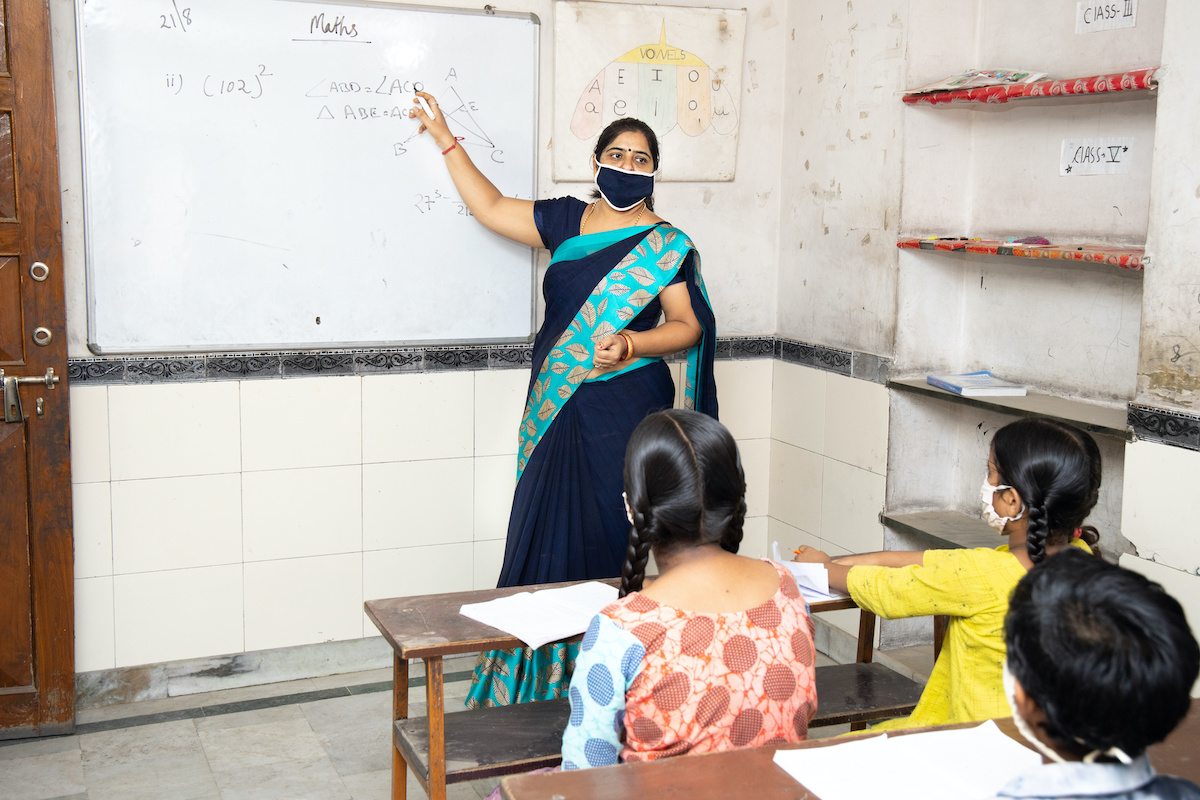
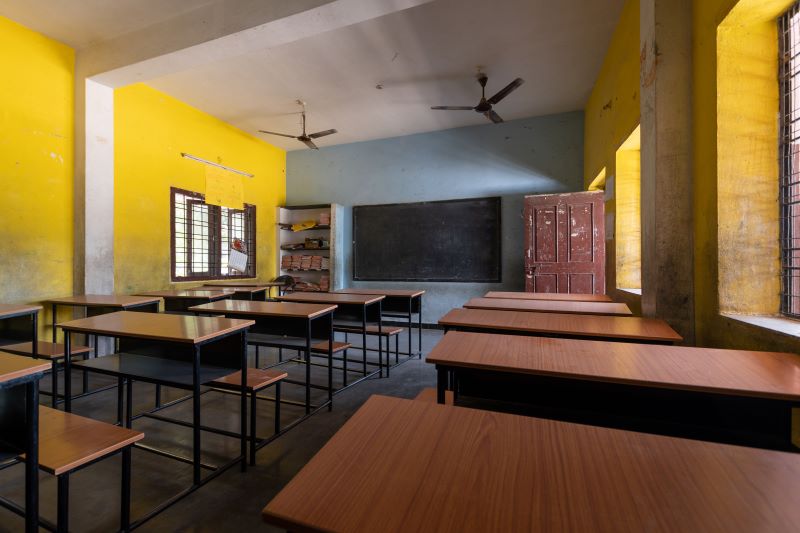
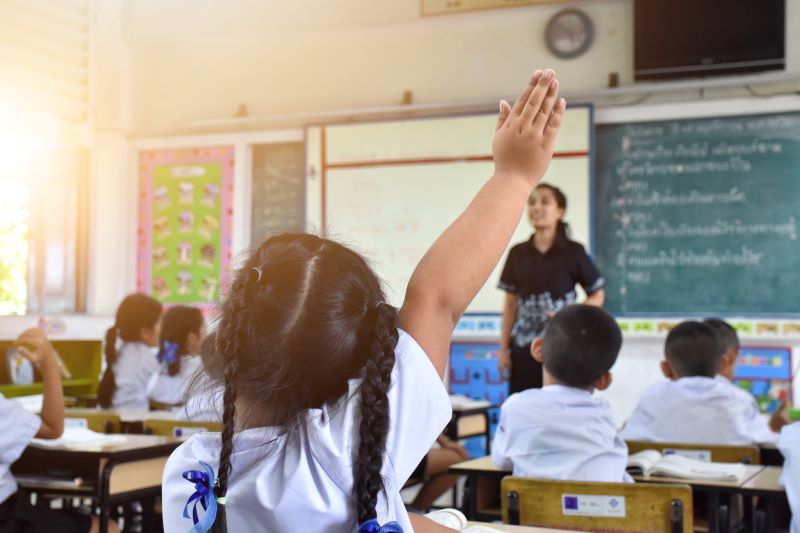
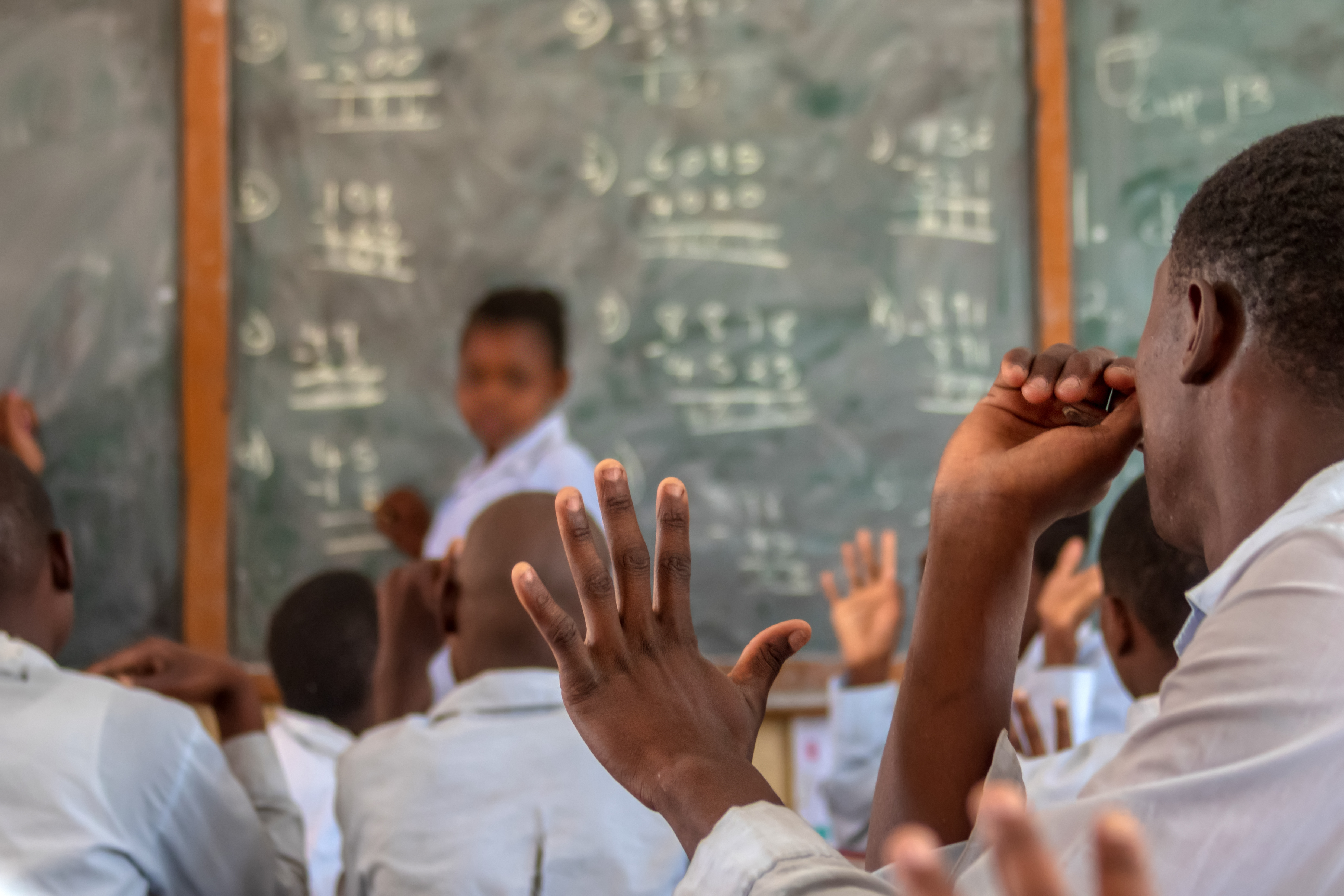
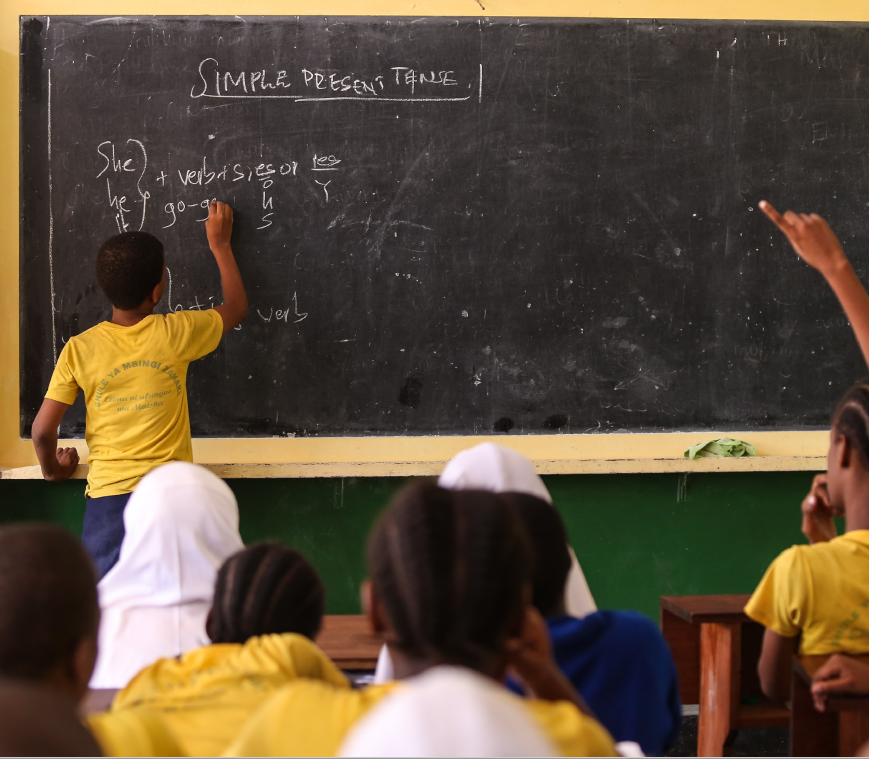
The gap between schooling and learning is under the spotlight of late –and a new book by CGD’s own Lant Pritchett (draft chapters available here) is sure to increase the wattage.  The story that Lant has to tell is not the happiest –widespread evidence from across the developing world that many kids who sit in classrooms for years often learn almost nothing for their time.

In School Not Learning

This post originally appeared on Owen Abroad.

George Bush famously asked, ‘Is our children learning?’. That’s also the question by Uwezo, a coalition of NGOs working in Kenya, Uganda and Tanzania. Their report published today makes dismal reading about the quality of schools.

First, a word about the report. This is not a study by the World Bank, or a group of donors. It is a study by Uwezo, an East African initiative hosted by three NGO networks: TEN/MET in Tanzania, WERK in Kenya and UNNGOF in Uganda, with overall quality assurance and management support from Twaweza. They conducted their own survey (standardized across the countries) to test the literacy and numeracy of more than 100,000 children, the largest ever survey of its kind in the region. When citizens themselves are telling us about whether their public services work, we should be paying attention.

Pages