Lant Pritchett

Non-Resident Fellow
Education: B.S., Brigham Young University; Ph.D., Massachusetts Institute of Technology
High Res Photo
Media Contact: Ben Edwards

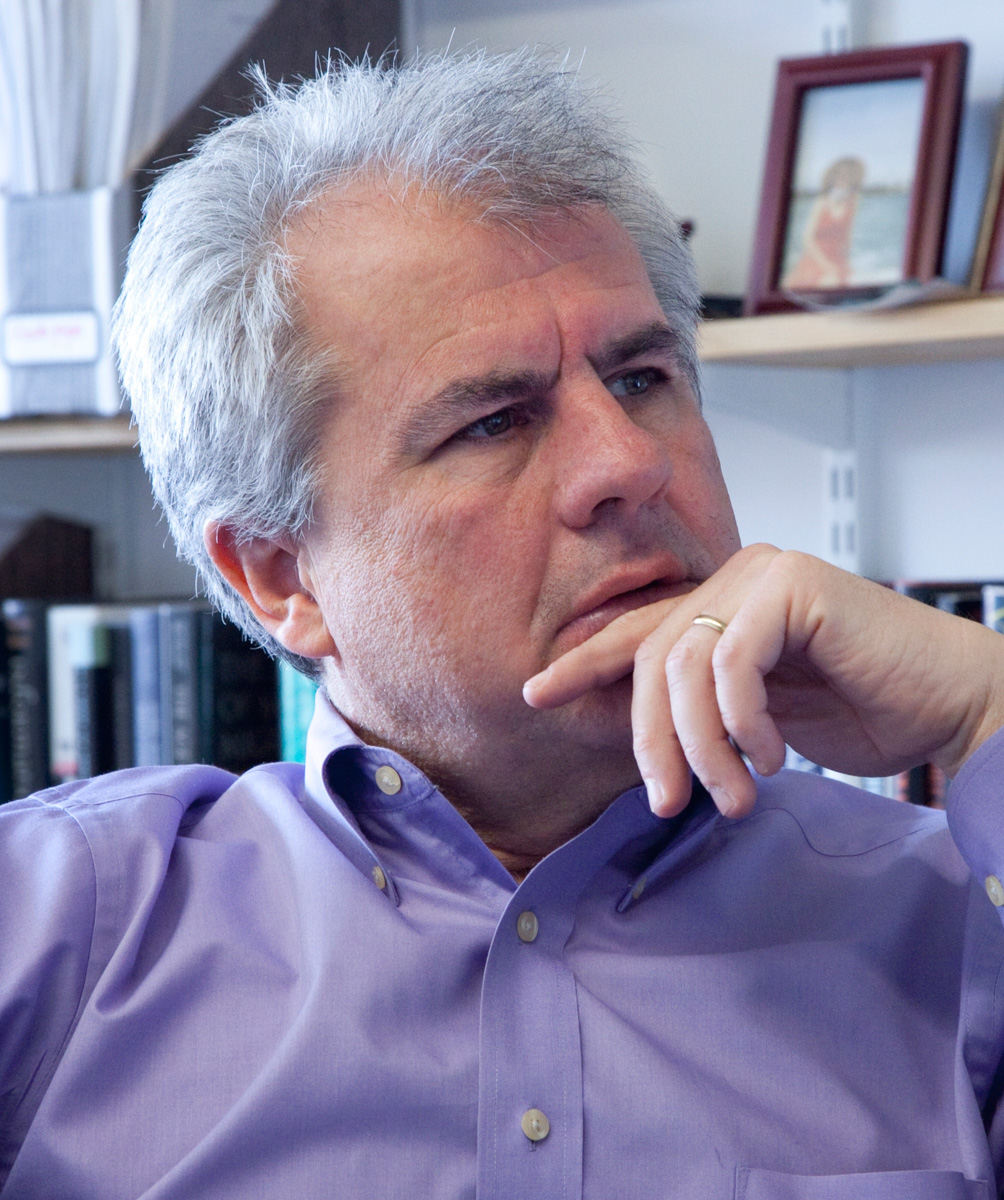
Lant Pritchett is professor of the Practice of International Development and faculty chair of the Masters in Public Policy in International Development program at Harvard's Kennedy School of Government. Prior to returning the Kennedy School, he was lead socio-economist in the social development group of the South Asia region of the World Bank, resident in Delhi, 2004–2007. From 1998-2000 he lived in Indonesia, working as a Principal Socio-Economist with the World Bank and prior to that spent a decade in the World Bank’s research group in various positions. He has been a team member on a number of prominent World Bank publications including: Economic Growth in the 1990s: Learning from a Decade of Reforms (2005), Making Services Work for Poor People (World Development Report 2004), Assessing Aid: What Works, What Doesn't and Why (with David Dollar, 1998); Infrastructure for Development (World Development Report 1994). He has also published over fifty journal articles and papers on a wide range of topics, including labor mobility, education, economic growth, poverty and vulnerability, social capital, health, safety net programs, participatory project approaches, population issues, and international trade. Originally from Idaho, Pritchett now lives in India with his wife and three children.

Newest Popular CGD Publications Events Multimedia Selected Works
  • Efforts to decentralize educational systems often arouse fears that the quality of schooling will become less equal as a result. But what’s the evidence? CGD non-resident fellow Lant Pritchett and co-author Martina Viarengo show in a new CGD working paper that the supposedly greater equality of centralized systems is often little more than the illusion of a bureaucracy blinded to local realities. READ MORE
  • Beyond the Fence (event) - Aug 7, 2009
    This video contains highlights from a recent event hosted at CGD, Beyond the Fence, where experts presented groundbreaking insights into the links between migration, remittances and prosperity.
  • Are your wages determined by what you know, or where you are? This paper estimates how the wages of workers in 42 developing countries would change if the same people could work in the United States. It uses a rich new database on over two million workers around the world. A worker from the median country would earn about 2.7 times as much in the US as at home. This means that (1) for many countries, the wage gaps caused by barriers to movement across international borders are among the largest known forms of wage discrimination; (2) these gaps represent one of the largest remaining price distortions in any global market; and (3) simply allowing labor mobility can reduce a given household’s poverty to a much greater degree than most known antipoverty interventions inside developing countries.
  • Data on the average income of a resident of Ecuador is easy to find. But until now there has been no data on the average income of a person born in Ecuador, regardless of where she or he lives. In this paper, research fellow Michael Clemens and non-resident fellow Lant Pritchett introduce a new dataset, income per natural: the mean annual income of persons born in a given country regardless of residence. Turns out that defining things this way makes a big difference, and not just for tiny nations. Income per natural differs by more than 10% from income per resident for dozens of countries including Vietnam, Kenya and Morocco. In other words, one of the largest sources of increased income for people in many parts of the developing world is moving to another country. Learn More
  • Increased labor mobility offers potentially huge gains for the developing and developed world, but migration is massively unpopular in rich countries. In this CGD Brief, non-resident fellow Lant Pritchett lays out a solution that is beneficial to poor people and potentially politically acceptable to rich country voters: temporary legal work programs negotiated bilaterally, with rich countries certifying labor shortages in specific industries and labor-sending countries ensuring that temporary workers return home. On Thursday, May 17th Lant will answer your questions live online at Ask CGD. Submit a question nowLearn more
  • This controversial book argues that irresistible demographic forces for greater international labor mobility are being checked by immovable anti-immigration ideas of rich-country citizens. Pritchett proposes breaking the gridlock through policies that support development while also being politically acceptable in rich countries. These include greater use of temporary worker permits, permit rationing, reliance on bilateral rather than multilateral agreements, and protection of migrants' fundamental human rights.
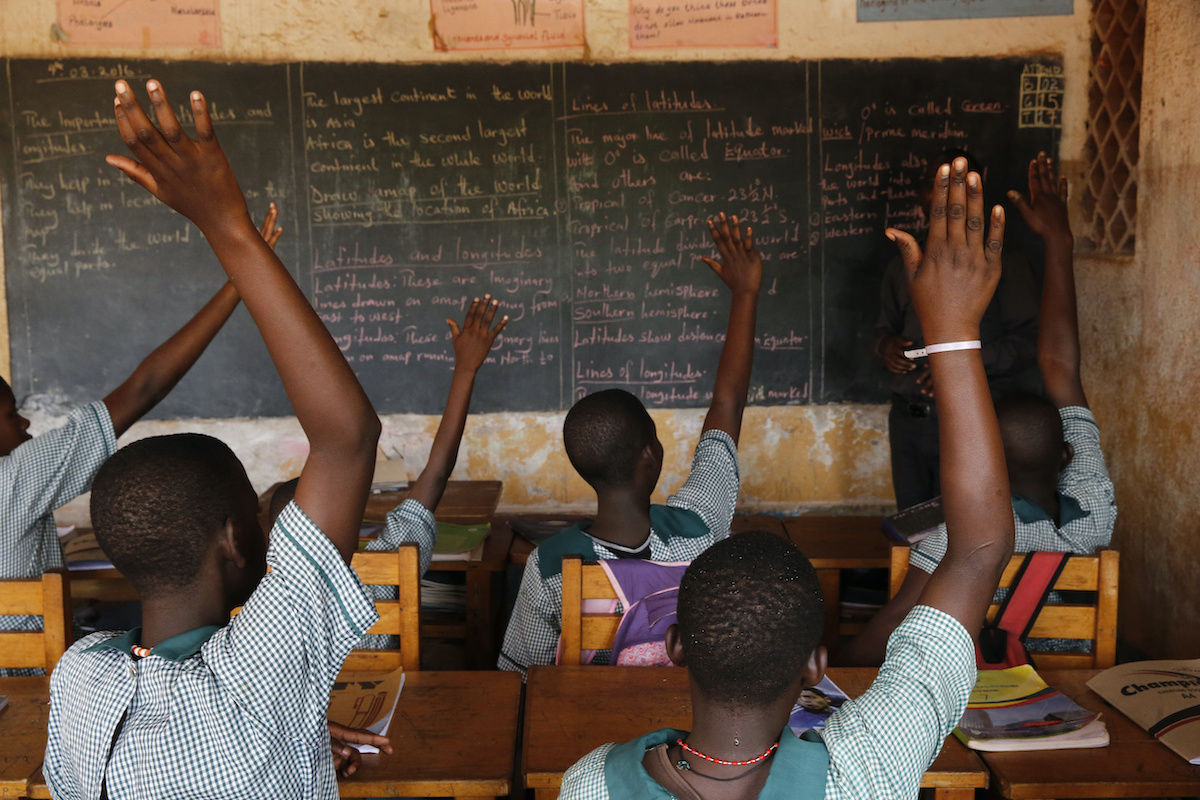
  • The UN Millennium Development Goals (MDGs) seek to ensure that all children complete primary school by 2015. But school completion rates don't tell us how much--or how little--the kids actually learn. This new working paper co-authored by CGD non-resident fellow Lant Pritchett shows that even in countries that meet the primary school completion goal, most students fall short of minimum competency in reading, writing and arithmetic. The answer, the authors argue, is a Millennium Learning Goal that measures how much students actually know. Learn more
  • This paper is part of the Copenhagen Consensus process, which aims to assess and evaluate the opportunities available to address the ten largest challenges facing the world. One of these ten challenges is the “lack of education.” This paper provides an analytical framework to evaluate the various options that can be used to address this issue.
  • Ghost towns dot the West of the United States. These cities boomed for a period and then, for various reasons, fell into a process of decline and have shrunk to a small fraction of their former population. Are there ghost countries—countries that, if there were population mobility, would only have a very small fraction of their current population? This paper carries out four empirical illustrations of the potential magnitude of the "ghost country" problem by showing that the "desired population" of any given geographic region varies substantially.
  • Poverty reduction is now, and quite properly should remain, the primary objective of the World Bank. But, when the World Bank dreams of a world free of poverty—what should it be dreaming? I argue in this essay that the dream should be a bold one, that treats citizens of all nations equally in defining poverty, and that sets a high standard for what eliminating poverty will mean for human well-being.
  • Beyond the Fence: Research Lessons on How Immigration and Remittances Shape Global Development - May 26, 2009

    As the Obama Administration begins to consider the key issues of U.S. immigration reform this summer, the Center for Global Development (CGD) and the Center for International Development at Harvard University convened a research conference on May 26, 2009 with thought leaders from Harvard University, CGD, the University of Chicago, and the World Bank, among others, to offer groundbreaking insights into the links between migration, remittances and prosperity. They were joined by leading voices from the policy community who offered new perspectives on the politics and possibilities of comprehensive immigration reform in the United States.

  • Beyond the Fence (event) - Aug 7, 2009
    This video contains highlights from a recent event hosted at CGD, Beyond the Fence, where experts presented groundbreaking insights into the links between migration, remittances and prosperity.

RSS
Recent Blog Posts

Multimedia

In the News

Topics

Current Initiatives