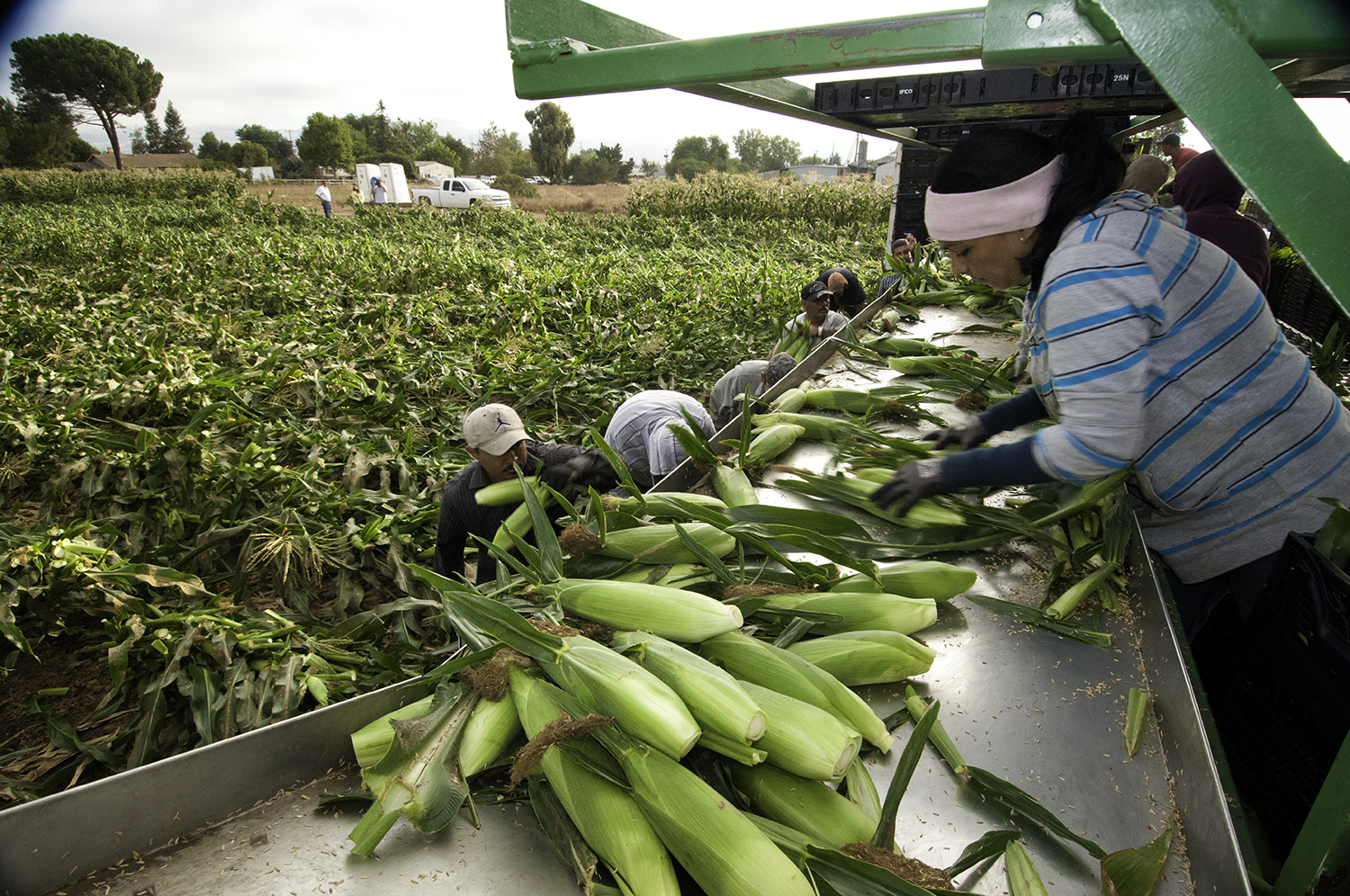
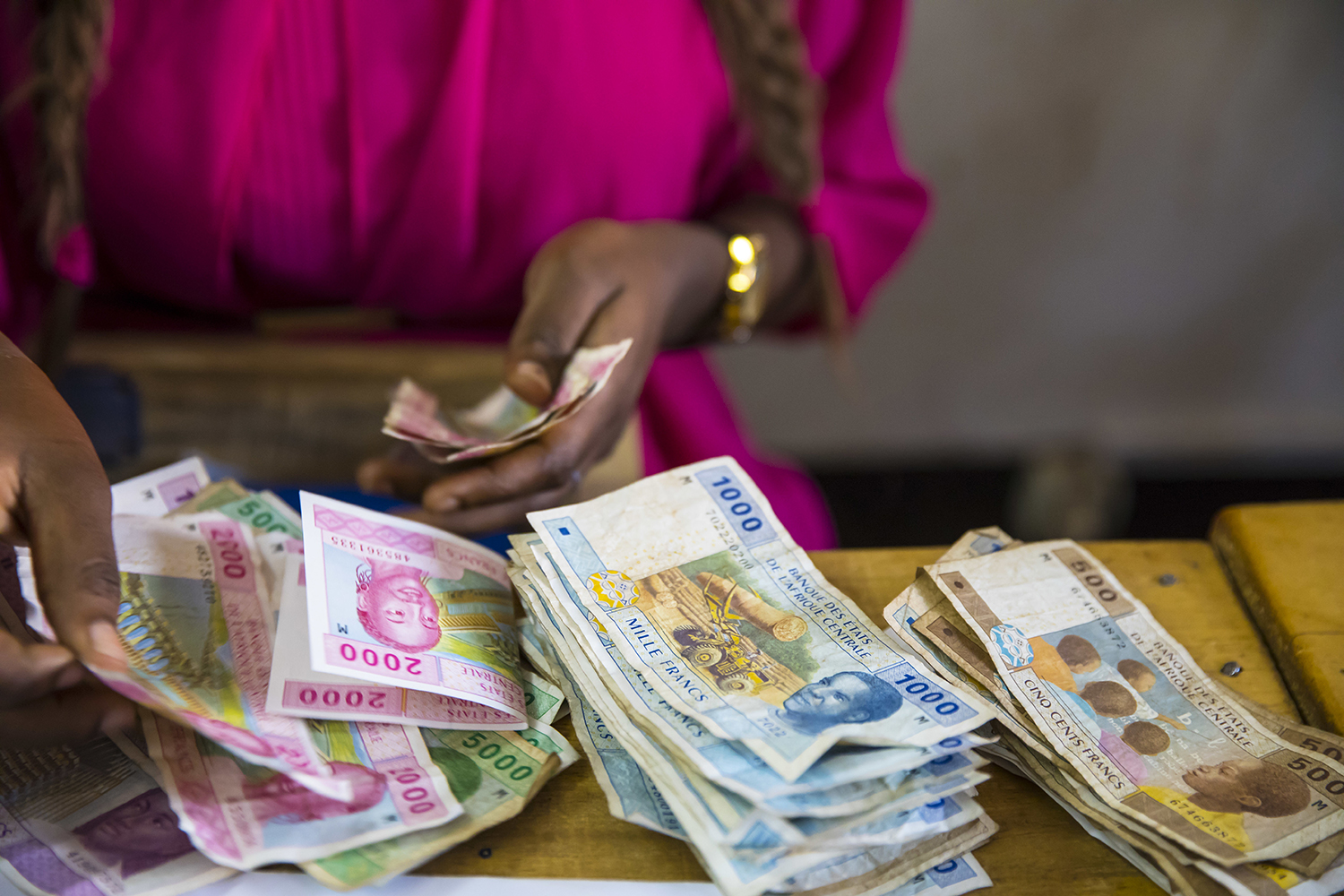
A temporary-worker program that allows Filipinos to work in South Korea set up unusually good circumstances for measuring the effects of migration. Michael Clemens and Erwin Tiongson take advantage the natural experiment and find that affected households spend more, borrow less, and invest more in their human capital.
This version: October 2014
Abstract
Overseas work can raise a family’s income but also split the household geographically, with theoretically ambiguous net effects on decisions about work, investment, and education. We study a policy discontinuity in the Philippines that resulted in quasirandom assignment of temporary, partial-household migration to high-wage jobs in Korea. This allows quasi-experimental estimates of reduced-form effects on migrant households’ spending, saving, borrowing, business income, and investment in children. A purpose-built survey allows nonexperimental tests of different mechanisms for the effect. These suggest that an important channel – beyond remittance income – involves changes in household decision-making power when migration separates married couples. We find no evidence that migration affects labor force participation by non-migrant family members.
Data disclosure: The authors will provide, upon request, the anonymized data set and Stata code to replicate the results in this paper to credentialed social scientists engaged in academic research. Prior agreements prevent them from posting the files for universal access.
Click here for the previous (2013) version of this paper.