The focus of international attention in Ethiopia, Gaza, and Ukraine has been on saving lives—and with good reason. UNICEF estimates that 13,000 Gazan children have been killed since the start of the war in October 2023. More than 2,500 children have been killed in Ukraine since February 2022, and an estimated 1,761 children under five died in Ethiopia’s Tigray region between October 2020 and May 2022.
But the development community must work simultaneously to prevent further deaths and to avert malnutrition among survivors, focusing particularly on protecting those at acute risk of severe malnutrition and starvation. The evidence is clear: even relatively short periods of early-life nutritional deprivation, especially severe deprivation, can have lasting adverse effects, possibly spanning multiple generations. And the effects span many domains of human wellbeing, from physical health to cognitive function. The international community—including policymakers, UN agencies, and researchers—must act now to safeguard both present and future generations.
The long-term impacts of malnutrition
Almost a month ago, on May 12, 2025, a UNICEF press release on Gaza reported:
WFP depleted its last food stocks to support hot meals kitchens for families on 25 April. Almost a month earlier, all 25 WFP-supported bakeries closed as wheat flour and cooking fuel ran out. The same week, WFP food parcels for families—with two weeks of food rations—were exhausted. UNICEF continues to deliver water and critical nutrition services but its stocks for preventing malnutrition have run out and supplies for the therapeutic treatment of acute malnutrition are critically low.
The situation has not improved since then and international aid is still largely blocked from entering. The same UNICEF report from May notes that 71,000 children and more than 17,000 mothers will need urgent treatment for acute malnutrition. As my colleague Charles Kenny has blogged, the Famine Early Warning Systems Network (FEWS NET) is also giving dire warnings about nutrition status in Ethiopia, Sudan, South Sudan, and Yemen.
Some of the best evidence on the long-term effects of malnutrition comes from studies leveraging historical events as natural experiments. One of the best-known cases is the so-called Dutch Hunger Winter of 1944–1945, during World War II. This famine occurred in the German-occupied western Netherlands, when a Nazi blockade cut off food and fuel supplies. Approximately 4.5 million people were affected, and food rations dropped to as little as 400–800 calories a person per day.
Among those affected by the Nazi blockade in-utero or in the first three years of life, research shows worse metabolic and cardiovascular health (i.e., more diabetes, hypertension, heart disease), a higher risk of breast cancer in women, greater stress responsiveness, more obstructive airways disease (like chronic obstructive pulmonary disease, or COPD), and faster-than-expected decline of cognitive function in adulthood.
The Biafran famine during the 1967-1970 Nigerian civil war has been similarly documented to have increased the risk and prevalence of both diabetes and hypertension among survivors 40 years later. The same long-term increase in the risk of diabetes and hypertension has also been found in adulthood among survivors of the Great Chinese famine that lasted from 1959 to 1961.
But to be clear, we’re not only talking about the long-term health of those directly affected by malnutrition. A fascinating recent study argues that population-level famine experience followed by “periods of plenty” explains why, for example, South Asians are at disproportionately higher odds of cardiovascular and other so-called lifestyle diseases, at body-mass index (BMI) levels that would normally not suggest elevated risk for such illness. To make this more concrete: I am a South Asian woman who has never experienced hunger, but my genetic makeup means that my child and any grandchildren will all be at greater risk of developing cardiovascular disease as well as hypertension and diabetes, even at low BMI levels, than people from a demographic that did not have the same experience of hunger in the past few generations.
Protecting lives today and into the future
So what are policymakers to do to prevent not only current but also future generations from suffering the aftermath of today’s crises?
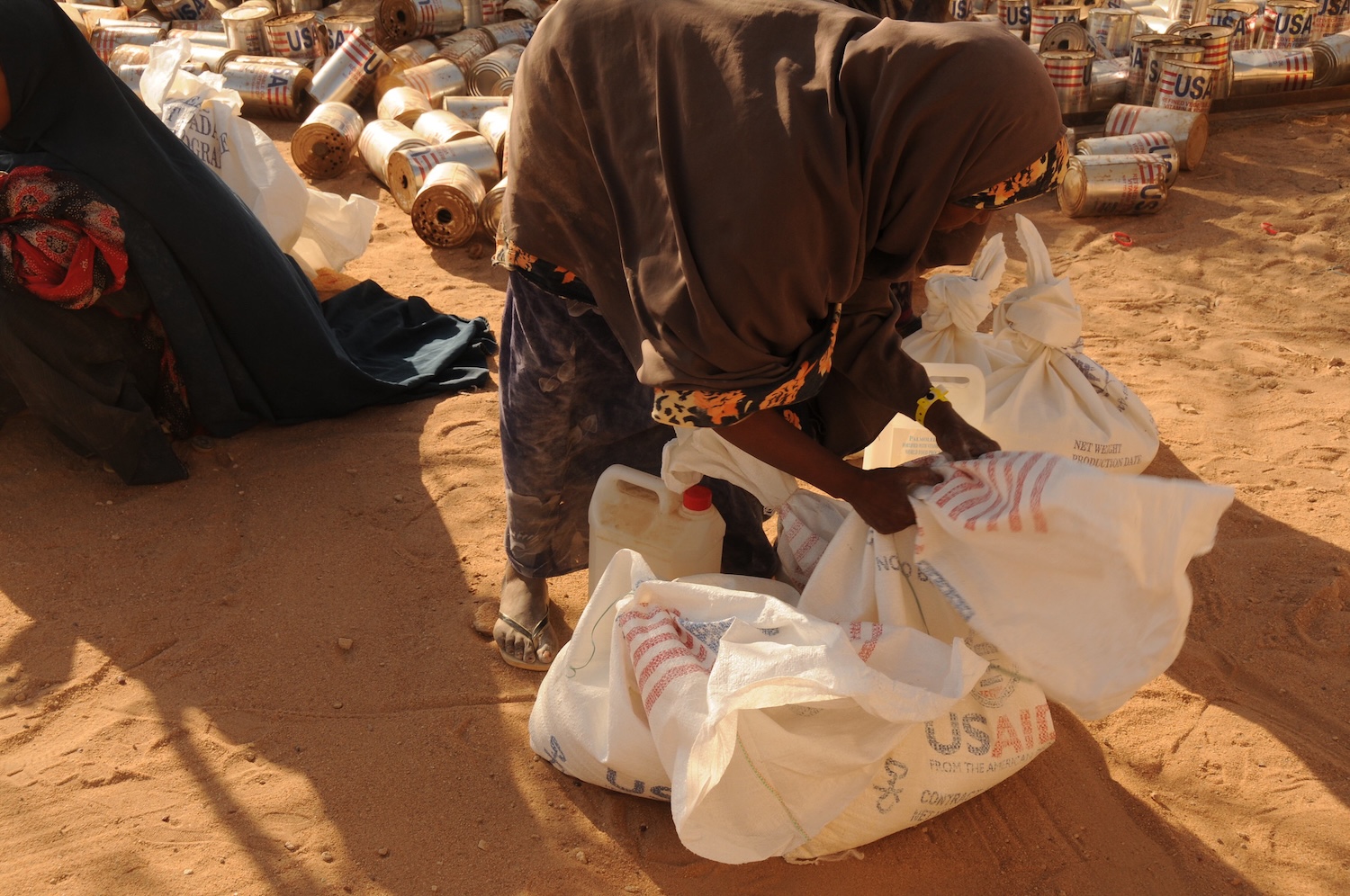
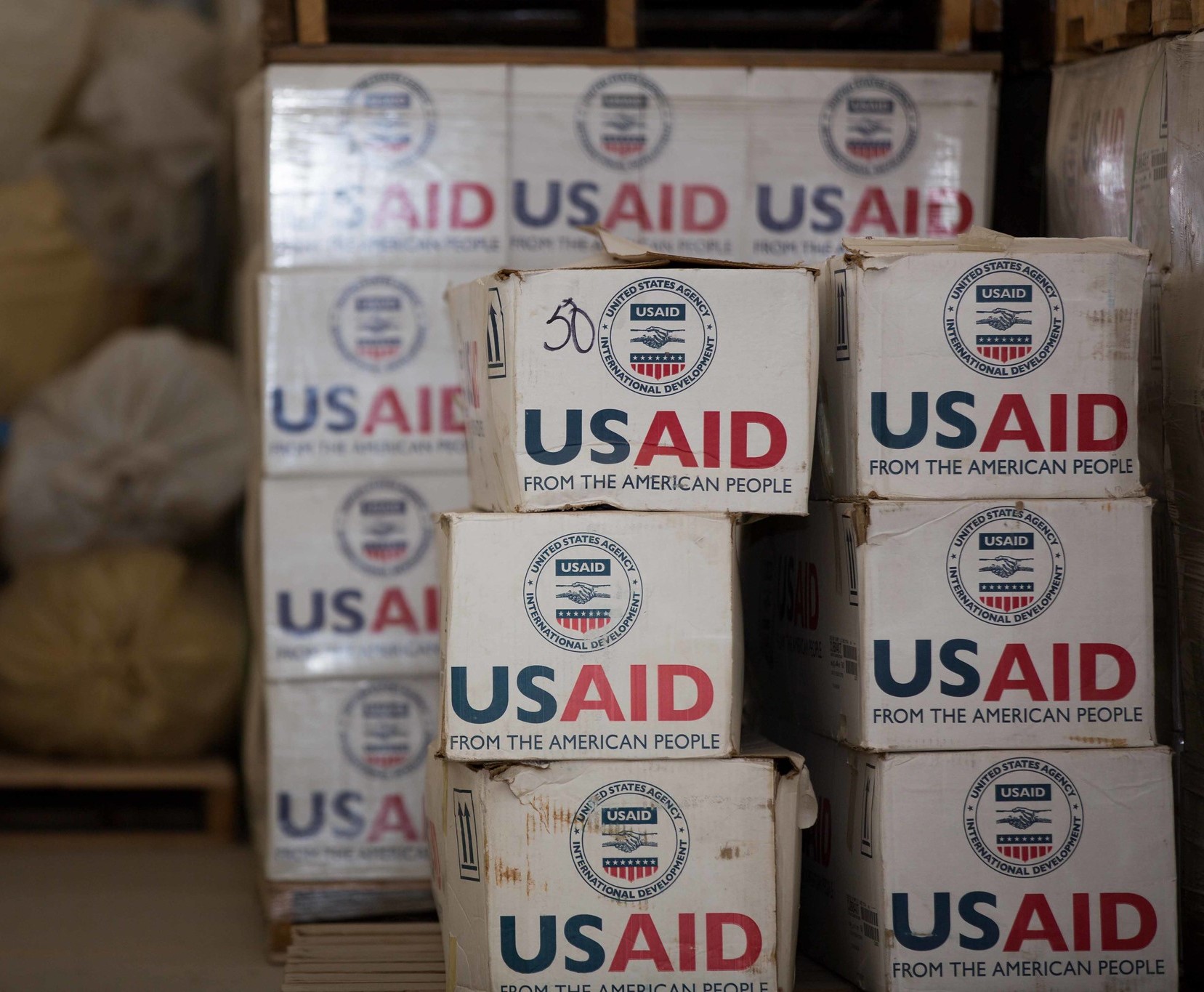
First things first: we must stanch the wound, immediately. This means different things in different places. In Ethiopia, international assistance is running out, in part due to the withdrawal of funding from USAID. Distressingly, despite this calamitous human cost, reports suggest that lifesaving food and other aid that US taxpayers have already paid for—in the amount of US$98 million—is sitting undisbursed and going to waste in warehouses, because there is no USAID to disburse it. An emergency agreement with the World Food Programme, UNICEF, or the World Health Organization could get this aid out of warehouses and to the people who need it, thus avoiding a massively inefficient waste of US taxpayer funds.
Second, I continue to hope that the lifesaving aid promised by Secretary of State Marco Rubio materializes. My colleague Charles Kenny has made eloquent calls to Secretary Rubio along these lines, to restart funding to PEPFAR, malaria control, vaccine programs, and in agriculture to prevent hunger. I would add the direct treatment of malnutrition right at the top of this list of critical priorities.
Third, not only must international assistance step up; it must be allowed to step in—right now, a need most pressing in Gaza. Aid blockades are inhumane. The aid blockade in Gaza must stop, and food must be allowed in. Sustained international pressure is crucial. The UN agencies have led the way on this front and they must be supported by their bilateral counterparts in Europe and elsewhere.
Fourth, as we assess how to have more impact with fewer resources, we need to use proven platforms of progressing towards the Sustainable Development Goal of zero hunger. At the 2025 Nutrition for Growth (N4G) Summit, donors pledged US$27 billion for nutrition. This amount reflects the clear understanding among policymakers that progress on nutritional outcomes in low- and middle-income countries is necessary for economic growth and development. But little attention was paid at this forum to the severe malnutrition experienced in Gaza and Tigray. In his closing remarks, WHO Director-General Dr. Tedros Adhanom Ghebreyesus referred to the committed funds as a “lifeline.” Surely, this lifeline is needed most in places experiencing protracted and severe malnutrition crises. The N4G platform is a broad one, bringing together donors from across the spectrum. What better forum to shed a light on the famines unfolding in front of us? And when these crises end, funds must flow into these locations in a sustained manner.
Finally, researchers can also do more. A compelling new method uses FEWS NET data to accurately predict famine risk significantly earlier than the current models. Imagine having a year’s notice on where the risk for famine is elevated. This is a fantastic example of policy-ready research that deserves wider attention and adoption. But this prediction framework also has a significant gap. It only considers aid as something that reduces the risk of famine; it does not consider whether aid dependence, a blockade, or the hasty withdrawal of aid could greatly increase the risk of famine. Written before 2025, this was perhaps a reasonable approach for the model at the time. But we need tools that help predict famines born out of a vulnerability to aid flows. And once these risks are identified—well before they materialize—the multilaterals must work in lockstep with local governments to reduce that vulnerability. To this end, the N4G commitment could be used to develop longer-term prediction systems, develop financing triggers for early response, and provide a backstop to potentially volatile aid flows.
All children, no matter where they were born, deserve to grow to live out their fullest potential, not have their paths, and those of their children and grandchildren, thwarted before they have any agency. It is our collective responsibility to do everything to protect that right. For children in Tigray, Gaza, Yemen, Sudan, and South Sudan, the time to act is now.