

In many countries the primary mechanism for ongoing engagement with civil society (after compact development) is the country-level MCA board of directions. The theory is that civil society members of the board will foster exchange of information between broader civil society and the MCA country programs. In most countries this is easier said than done, and Honduras is no exception. Partly because it is so focused on making up for delays, the MCAH has not taken the time to think through how to improve ongoing outreach, nor have board members taken it upon themselves to do so. This is due to several factors. First, the MCC and MCAH did not initially set clear expectations about the role of the board, and what responsibilities, if any, the civil society representatives have to forge continued exchange with the public. Second, there is little clarity about who (MCAH or civil society groups) is expected to provide resources for outreach. And third, it seems like the MCAH just has some of the wrong groups on the board. For example, one of the groups, the Foro Nacional de Convergencia (FONAC) does not represent civil society at all. It is a government-initiated group designed to foster dialogue between the government and civil society. The executive director is appointed by the national president and all operating costs are covered by the government. This is a lost opportunity to fill a board seat with a more legitimate representative of civil society concerns.
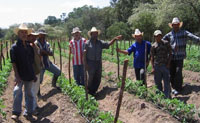
One civil society leader asserted that the MCAH is missing opportunities for engagement with civil society by not using existing local structures to disseminate information and gather input. For example, Honduras has five regional forums that convene civil society and local authorities in development planning and oversight. Originated to develop regional poverty reduction strategies to complement the national Poverty Reduction Strategy (PRS), several non-governmental organization (NGO) leaders argued that these forums are strong, coordinated and a credible resource for public dialogue.
As with government relations, there are some signs of progress here too. The communications and outreach campaign will presumably complement the board’s role and help spread information to those who want it. In addition, the MCAH director has recently scheduled a meeting with a highly respected NGO leader (not currently represented on the MCAH board) who is full of ideas for how the MCAH can improve relations with civil society. But these steps are just a beginning. There is still a lot of room for improvement in this aspect of the Honduran MCA program.
Honduras is not alone in struggling with ways to foster ongoing outreach with civil society. All countries covered by the MCA Monitor (with the notable exception of Nicaragua) are experiencing the same challenges. Honduras is yet another reminder that the MCC should offer MCA country programs clearer standards, guidance and support for managing ongoing relations with civil society.[6]
Next Section: Overzealous MCC Risk Management
6. This issue is discussed in detail in the Madagascar and Nicaragua MCA Monitor field reports.