As someone who’s spent many years studying educational decisions, I’ve thought deeply about the issue of school choice and educational inequality, so I read Nikole Hannah-Jones’s latest New York Times article with great interest. In it, she reflects on the decisions she and her husband made about their daughter’s education. Despite having ample financial means, they chose not to enroll their child in an elite, high-resource school that would be inaccessible to a less privileged Black family living in New York City. Instead, as she explains, “We thought by sending Najya to a mostly low-income and Black school, we could help improve it for all the children there.” This decision resulted in Najya having a challenging academic journey and has elicited mixed reactions, with some readers sympathizing with the writer’s rationale and others criticizing her for sacrificing her daughter’s well-being in the name of political activism.
I read the article in a busy week of the 81st session of the UN General Assembly, and it kept me up because it sharpened a question I've been grappling with in a very different context: What does it take to guarantee freedom of choice and improved outcomes for all children and families, not just those who can absorb the risk of making a choice for someone else’s benefit?
Understand why families may choose lower-performing schools
To start, I want to thank Nikole Hannah-Jones for sharing her story and bringing the issue of school choice to the forefront of public consciousness. I also want to thank Najya for her grace in being on the receiving end of her parents’ value-based decisions.
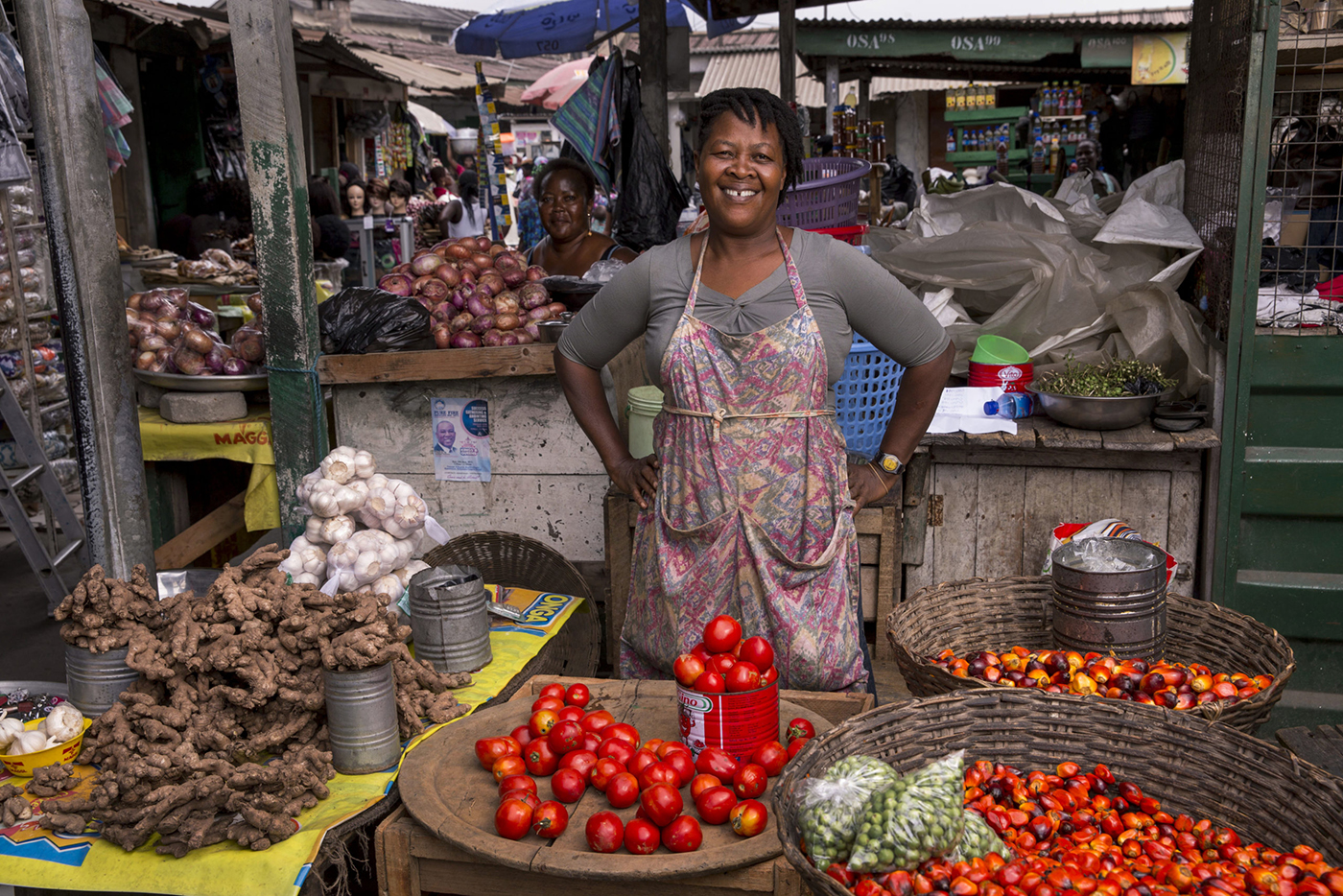
Parenting is not easy, and making educational decisions is one of the hardest parts about it. In my research on school choice in Ghana, I’ve found that families often choose to apply to low-performing schools, even when they have access to higher-performing ones. This behavior partly reflects a lack of information about schooling options, but it’s not just a question of limited awareness. Even when equipped with adequate information, people actively choose not to send their children to high-quality schools. Nikole Hannah-Jones’s decision is not so rare, globally. What this implies is that millions of children worldwide attend low-resource and low-performing schools for various reasons. This leads to the policy question of what to do about the schools these children are in.
One long-term solution may be closing the worst-performing schools and moving students into better ones. However, school closure is controversial and can have the adverse effect of reinforcing inequity. Improving the standards of low-performing schools offers an inclusive approach to ensure that whoever attends these schools receives a decent basic quality of education.
Nikole Hannah-Jones’s article reminded me of something I heard Ken Wiwa, Jr. say about his memories of his father, the environmental activist Ken Saro-Wiwa. Speaking at a PEN World Voices event co-hosted by Guernica in 2009, he noted, “All of us have a choice in the world—whether to make our children safe in the world or to make the world safe for our children. And I think people like my father, Steve Biko, Aung San Suu Kyi, chose to make the world safe for their children. And there are implications [to] that.” Nikole Hannah-Jones similarly chose the second option, which had substantial implications for her daughter.
What strikes me in the viral response to Nikole Hannah-Jones is the limited recognition of how her choices may have served to make the world safer for other children. Most education systems have some level of inequality. It’s unrealistic and perhaps not even ideal to aspire toward a school system in which there is no variation in quality, but a fundamental question should always be: What’s the minimum standard available to all children? I see Nikole Hannah-Jones’s choices as a commendable effort to raise that floor.
Recognize that justice for all requires accountability
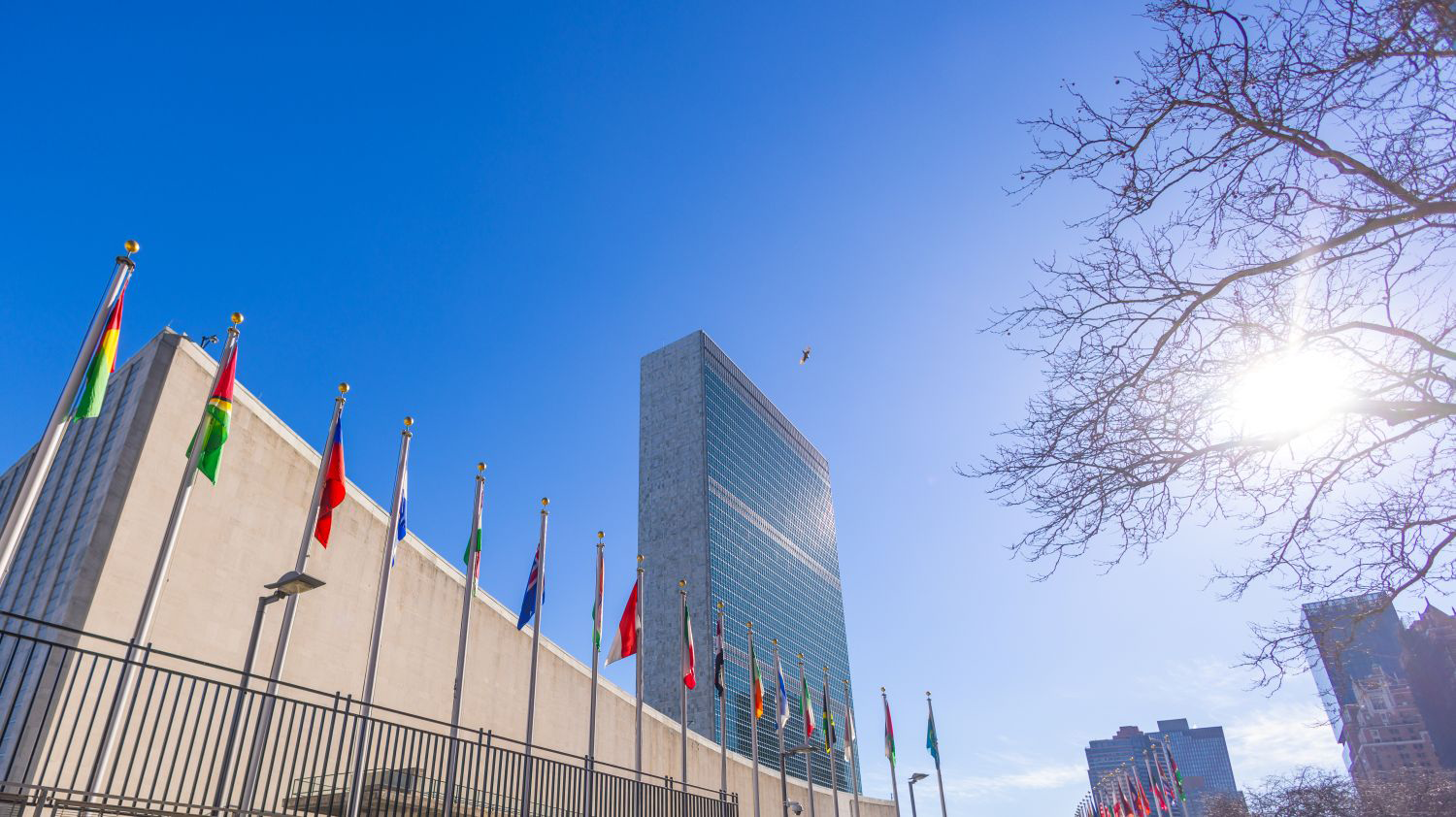
One common theme I’ve heard at UNGA this week is a call for increased government accountability. On Monday, I attended a working meeting organized by Women Deliver, focused on implementation of the Melbourne Declaration for Gender Equality. The first principle of the declaration is that: “States respect, protect, and fulfill human rights for all people.” Overall, the declaration rests on three principles: (1) states uphold human rights, (2) movements hold power to account, and (3) the ecosystem aligns behind this work. Although this framework was developed with a view to advancing gender equality, it’s also useful for thinking about states’ obligations to fulfill children’s right to education, just as it has been useful for thinking about the other issues I’ve engaged on this week—including ending child marriage, shifting gender norms, advancing women’s leadership, investing in early childhood development, and strengthening social safety nets. The work of holding states accountable takes an ecosystem and the concerted choices of people committed to a cause.
Accountability at the level of UNGA may feel abstract next to the individual choices parents make—they are similar, but at different scales. Beyond my scholarly interest in school choice, I was drawn to Nikole Hannah-Jones’s article because of the latest evolution of my own parenting decisions. I recently enrolled my son in a public school. Fortunately, it’s been an overwhelmingly positive experience, and I’m especially grateful to a phenomenal community of moms who welcomed me. After spending his first six years of formal education in private Montessori schools, one of the many adjustments my son’s made has been a transition to reciting the US pledge of allegiance daily. Repeating the pledge with him as he memorized it brought new salience to the final words “… liberty and justice for all.”
Here’s to hoping that Nikole Hannah-Jones’s article catalyzes public commitment to educational justice for all. And here’s to hoping that the thousands of people convening in New York around UNGA81—and the multiple accountability movements behind which we stand—collectively succeed in making the world safer for our children.