You are here

Topics:
Expertise
Migration and development, economic growth, aid effectiveness, economic history
Bio
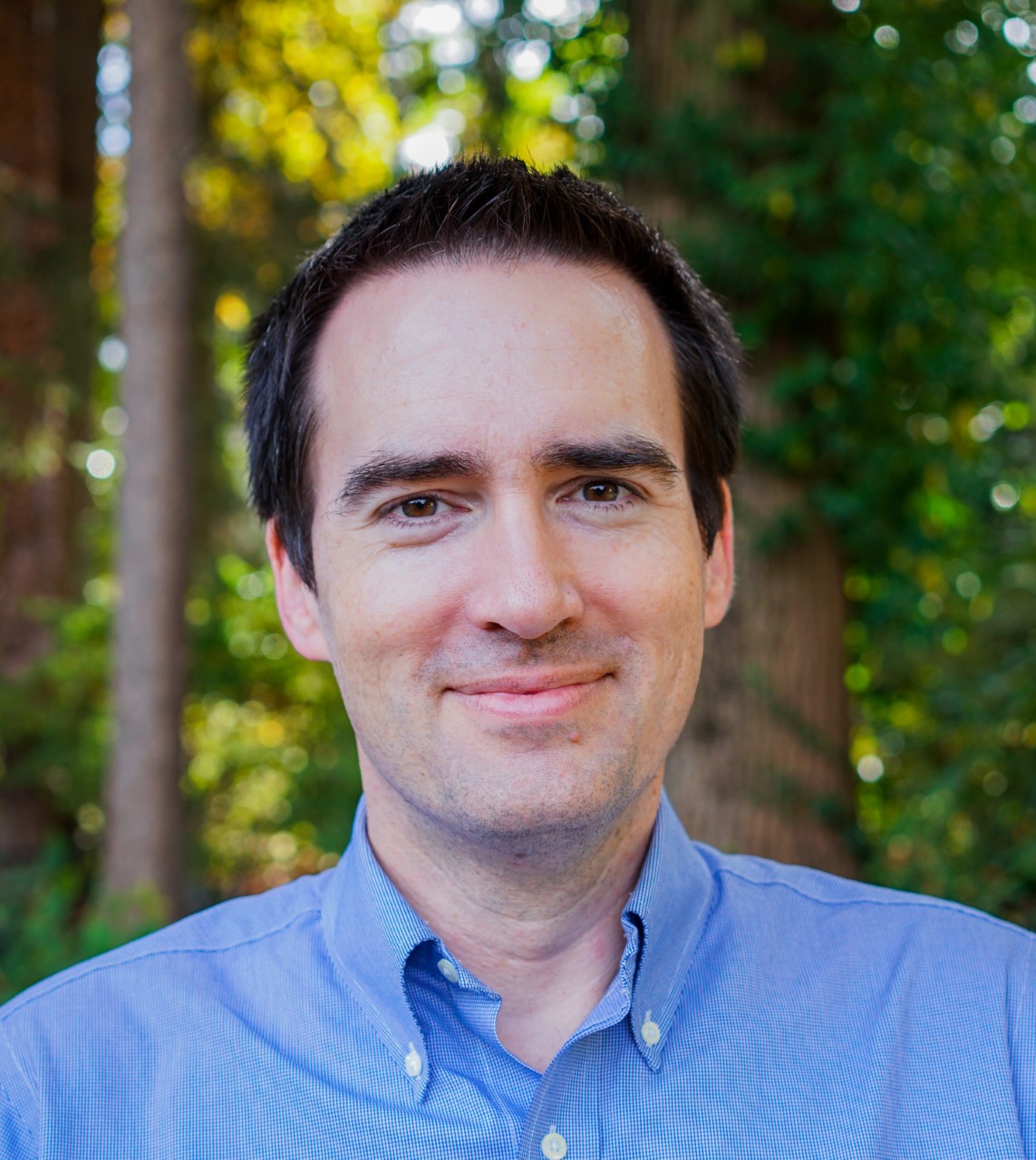
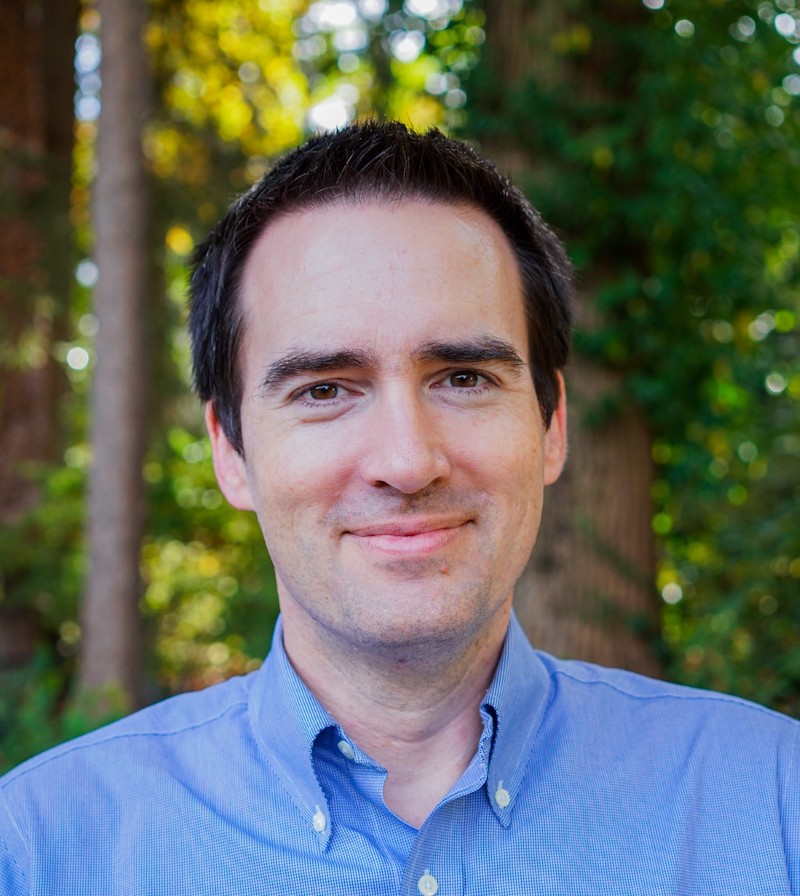
Michael Clemens is director of migration, displacement, and humanitarian policy and a senior fellow at the Center for Global Development, where he studies the economic effects and causes of migration around the world. He has published on migration, development, economic history, and impact evaluation, in peer-reviewed academic journals including the American Economic Review, and his research has been awarded the Royal Economic Society Prize. He also serves as a Research Fellow at the IZA Institute of Labor Economics in Bonn, Germany, and has served as an Associate Editor of the Journal of Population Economics and World Development. He is the author of the book The Walls of Nations, forthcoming from Columbia University Press. Previously, Clemens has been an Affiliated Associate Professor of Public Policy at Georgetown University, a visiting scholar at New York University, and a consultant for the World Bank, Bain & Co., the Environmental Defense Fund, and the United Nations Development Program. He has lived and worked in Colombia, Brazil, and Turkey. He received his PhD from the Department of Economics at Harvard University, specializing in economic development, public finance, and economic history.
Click here for full CV
More From Michael Clemens
Skilled workers emigrate from developing countries in rising numbers, raising fears of a drain on the human and financial resources of the countries they leave. This paper critiques existing policy proposals to address the development effects of skilled migration. It then proposes a new kind of policy tool to regulate skilled migration in a way that benefits origin countries, destination countries, and migrants. ‘Global skill partnerships’ are bilateral public-private agreements to link skill creation and skill mobility for mutual benefit. The paper describes how such an agreement might work in one profession (nursing) and one region (North Africa).
Skilled workers have a rising tendency to emigrate from developing countries, raising fears that their departure harms the poor. In response, researchers have proposed a variety of policies designed to tax or restrict high-skill migration. Those policies have been justified on grounds of efficiency—making migrants or destination countries liable for harm—as well as on grounds of equity or ethics. This paper challenges regulations of this kind, arguing that they are generally inefficient, inequitable, and unethical. It concludes by discussing a different class of policy intervention that, in contrast, has the potential to raise welfare.
When opportunities for corrupt earnings rise, is there more corruption? This fundamental question is the subject of new, frontier-pushing research by two young stars of development economics: CGD alumnus Sandip Sukhtankar and his co-author Paul Niehaus.

Our most common intuition about migration and development is just as clear: more development must cause less migration. Won’t economic growth in, say, Haiti mean that fewer Haitians want to leave? This seems as plain as the sun crossing the sky, but the data simply do not support it.
CGD studies the ways that the richest countries affect the rest of the world, far beyond foreign aid. And the US massively shapes economic development in its neighbors to the south. The 2,000 mile border between the United States and Mexico is an economic cliff, the largest GDP per capita differential found at any land border on earth. Across this fault line, the two nations continue a deep and centuries-old exchange of goods, services, investment, labor, culture, and ideas.
Basic economic theory suggests that as poor countries get richer, fewer people want to leave. This idea captivates policymakers in international aid and trade diplomacy. But a long research literature and recent data suggest something very different: Over the course of a “mobility transition”, emigration typically rises with economic development—at least until poor countries reach upper-middle income level, like Algeria or El Salvador. Emigration typically falls only as countries become even richer. This note measures the mobility transition in every decade since 1960, surveys 45 years of research on why it happens, and suggests five questions for further study.
Pages
In Milan Kundera’s The Unbearable Lightness of Being, Sabina and Franz are doomed lovers. Kundera traces their demise of their relationship to a disagreement about what words mean. Sabina and Franz never realize that they mean different things when they say simple words—like “woman” and “truth.”
From his keynote speech in Mexico City, Michael Clemens writes:
Mexico and the United States need a bilateral agreement to regulate the labor migration flows between these two neighboring countries. They have needed such an agreement my entire life.
In development, it's good to try new, innovative ideas-- but even better to know whether or not they work.
From 2011 to 2016, about 179,000 unaccompanied children from El Salvador, Honduras, and Guatemala were apprehended entering the United States. While the crisis received ample media attention, limited data has meant little rigorous analysis of what made those children move. Using unprecedented data on each apprehension, we measure how violence in these children’s hometowns shaped their migration. In the average municipality the children came from, 10 additional homicides caused about six additional apprehensions.
A small pilot project between the US and Haiti showed that the US could directly and effectively assist Haitian families to earn dignified livelihoods—at negative cost to US taxpayers. That is, the two countries could cooperate for development in a way that actually adds value to the US economy. It did this with short-term work visas.
Spoiler alert: this is not a blog post about #DumpTrump. However, the 2016 U.S.
Commentary Menu