You are here

Topics:
Expertise
Migration and development, economic growth, aid effectiveness, economic history
Bio
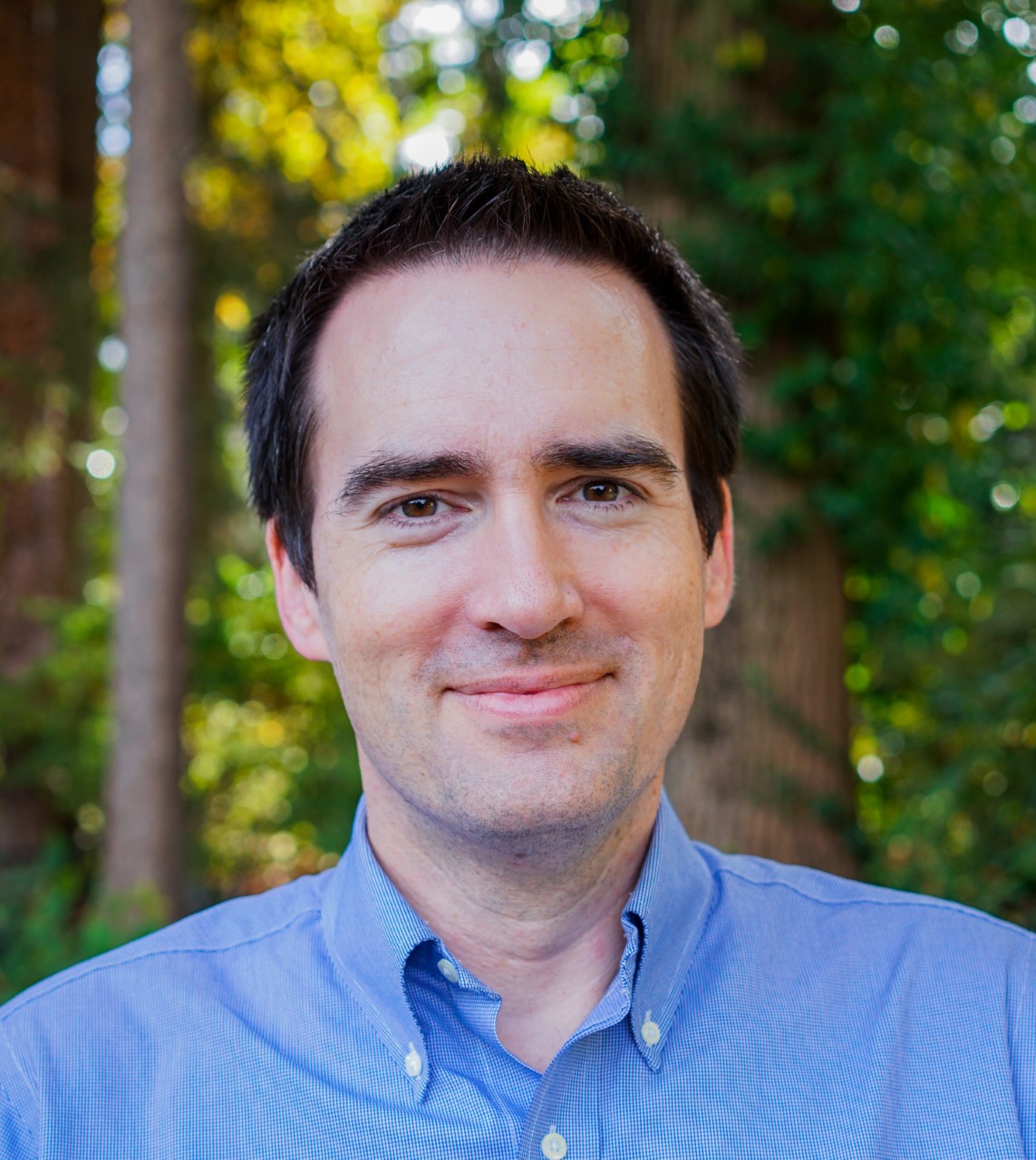
Michael Clemens is director of migration, displacement, and humanitarian policy and a senior fellow at the Center for Global Development, where he studies the economic effects and causes of migration around the world. He has published on migration, development, economic history, and impact evaluation, in peer-reviewed academic journals including the American Economic Review, and his research has been awarded the Royal Economic Society Prize. He also serves as a Research Fellow at the IZA Institute of Labor Economics in Bonn, Germany, and has served as an Associate Editor of the Journal of Population Economics and World Development. He is the author of the book The Walls of Nations, forthcoming from Columbia University Press. Previously, Clemens has been an Affiliated Associate Professor of Public Policy at Georgetown University, a visiting scholar at New York University, and a consultant for the World Bank, Bain & Co., the Environmental Defense Fund, and the United Nations Development Program. He has lived and worked in Colombia, Brazil, and Turkey. He received his PhD from the Department of Economics at Harvard University, specializing in economic development, public finance, and economic history.
Click here for full CV
More From Michael Clemens
It is time to fundamentally reframe the research agenda on remittances, payments, and development. We describe many of the research questions that now dominate the literature and why they lead us to uninformative answers.
Migration from Mexico to the United States has traditionally been predominantly low-skill. But in recent years the skilled fraction of Mexican workers in the United States has grown substantially.
Tim Ogden and I want a new research agenda for migration and remittances.
This is a joint post with Erin Collinson.
President Obama will deliver his 2014 State of the Union speech Tuesday, January 28. We polled CGD experts to find out what they’re hoping to hear when the president addresses Congress and the nation. Check out their oratorical contributions below and read about the development-related decisions and policies they would like to emerge in support of the rhetoric.
As the fourth anniversary of the massive, January 12, 2010, earthquake in Haiti approached, I invited CGD senior fellows Vijaya Ramachandran and Michael Clemens, experts respectively on disaster relief and labor mobility, to join me on the Wonkcast to discuss the role of outsiders in trying to assist Haiti’s recovery.
This Sunday is the fourth anniversary of Haiti’s devastating 2010 earthquake. It immediately killed more than 150,000 people and the economy was shattered. I’ve been reflecting on the progress Haiti has made and the long road ahead.
Originally published in Foreign Affairs.
On May 29, 2013, British immigration officers raided the Alternative Tuck Shop, a café just down the road from Oxford University’s economics department, where South Asian and Middle Eastern employees serve tea, scones, and sandwiches. The agents seized two young men, one from Bangladesh and one from Algeria, under suspicion of working in the United Kingdom without authorization. And they shuttered the business temporarily, meaning that hungry Oxford economists would have to walk farther down Holywell Street for their midday panini.
Pages
Tim Ogden and I want a new research agenda for migration and remittances.

CGD studies the ways that the richest countries affect the rest of the world, far beyond foreign aid. And the US massively shapes economic development in its neighbors to the south. The 2,000 mile border between the United States and Mexico is an economic cliff, the largest GDP per capita differential found at any land border on earth. Across this fault line, the two nations continue a deep and centuries-old exchange of goods, services, investment, labor, culture, and ideas.
International labor mobility holds some of the biggest opportunities to extend economic opportunity to more people.
Migration-and-development has grown into a field of its own, in both research and policy.


Commentary Menu