You are here

Topics:
Expertise
Migration and development, economic growth, aid effectiveness, economic history
Bio
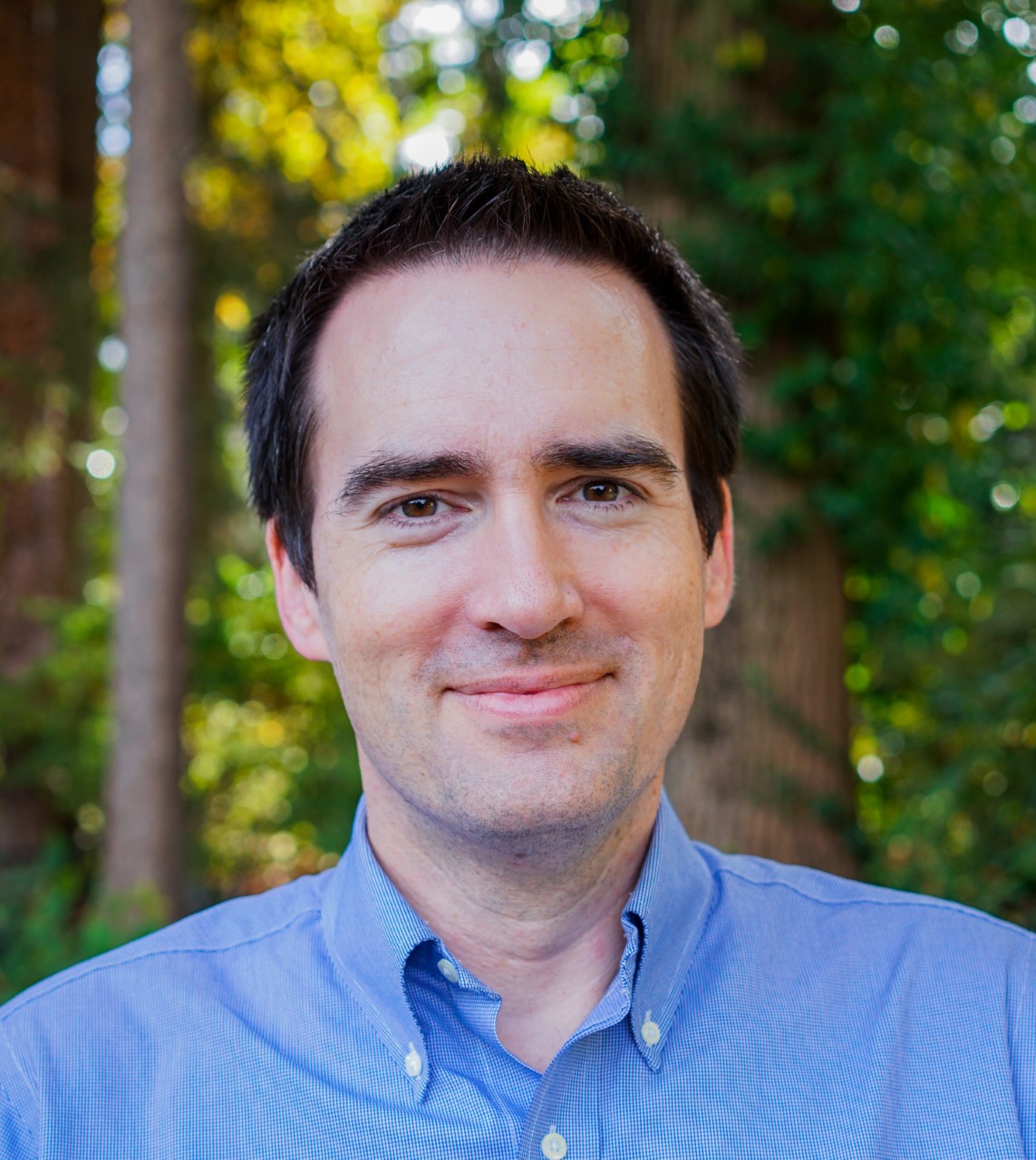
Michael Clemens is director of migration, displacement, and humanitarian policy and a senior fellow at the Center for Global Development, where he studies the economic effects and causes of migration around the world. He has published on migration, development, economic history, and impact evaluation, in peer-reviewed academic journals including the American Economic Review, and his research has been awarded the Royal Economic Society Prize. He also serves as a Research Fellow at the IZA Institute of Labor Economics in Bonn, Germany, and has served as an Associate Editor of the Journal of Population Economics and World Development. He is the author of the book The Walls of Nations, forthcoming from Columbia University Press. Previously, Clemens has been an Affiliated Associate Professor of Public Policy at Georgetown University, a visiting scholar at New York University, and a consultant for the World Bank, Bain & Co., the Environmental Defense Fund, and the United Nations Development Program. He has lived and worked in Colombia, Brazil, and Turkey. He received his PhD from the Department of Economics at Harvard University, specializing in economic development, public finance, and economic history.
Click here for full CV
More From Michael Clemens
How does a great think tank idea become a law?
This is a joint post with Julie Walz.
Two years ago, a 7.0 magnitude earthquake struck Haiti, plunging an already poor and unstable country into complete and utter chaos. In the days and weeks that followed, international responses and donations were overwhelming. Yet almost all of the assistance provided to Haiti has bypassed its government, leaving it even less capable than before. Humanitarian agencies, NGOs, private contractors, and other non-state service providers have received 99 percent of relief aid—less than 1 percent of aid in the immediate aftermath of the quake went to public institutions or to the government. And only 23 percent of the longer-term recovery funding was channeled through the Haitian government. Figure 1 shows the breakdown of relief aid from all donors to Haiti, by recipient.
It seems like everyone is making lists this time of year, and we at CGD are no exception.
Pages
International migration has giant effects on global development. Social scientists are just starting to understand those effects, and the latest research is moving far beyond traditional subjects like remittances.
Although President Obama will be plenty busy during the remainder of his first term working with Congress to avoid th
(Kaci Farrell contributed to this post and preparations for the roundtable)
This September the UN will host another major summit to evaluate progress toward the Millennium Development Goals --
More people are now displaced outside their home than at any other time since UNHCR records began; these mass movements will only continue as conflict, disaster, extreme poverty, and other hardships force people to seek safety and opportunity. Unfortunately, most recent policy solutions have been ad hoc and based in fear. Can we do better? CGD and co-host ODI recently convened a panel of experts to discuss the economics and politics of this crucial question.


Commentary Menu