You are here

Topics:
Expertise
Migration and development, economic growth, aid effectiveness, economic history
Bio
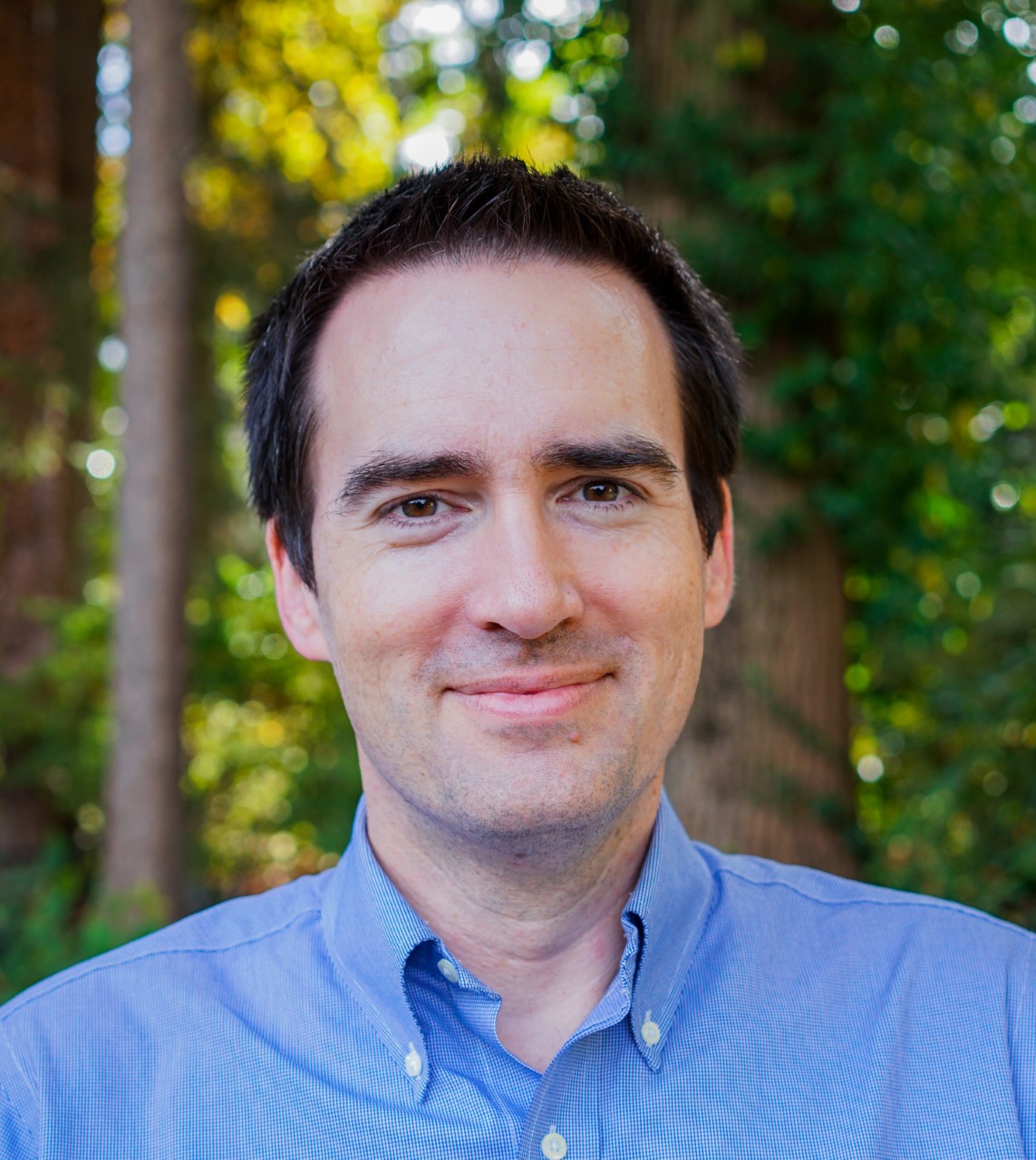
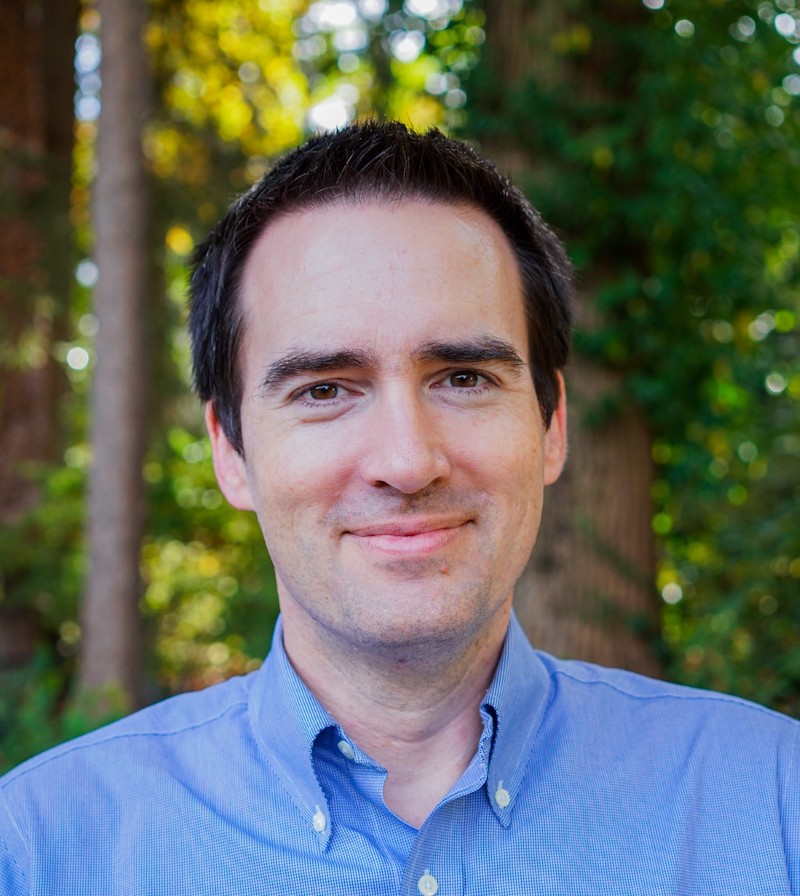
Michael Clemens is director of migration, displacement, and humanitarian policy and a senior fellow at the Center for Global Development, where he studies the economic effects and causes of migration around the world. He has published on migration, development, economic history, and impact evaluation, in peer-reviewed academic journals including the American Economic Review, and his research has been awarded the Royal Economic Society Prize. He also serves as a Research Fellow at the IZA Institute of Labor Economics in Bonn, Germany, and has served as an Associate Editor of the Journal of Population Economics and World Development. He is the author of the book The Walls of Nations, forthcoming from Columbia University Press. Previously, Clemens has been an Affiliated Associate Professor of Public Policy at Georgetown University, a visiting scholar at New York University, and a consultant for the World Bank, Bain & Co., the Environmental Defense Fund, and the United Nations Development Program. He has lived and worked in Colombia, Brazil, and Turkey. He received his PhD from the Department of Economics at Harvard University, specializing in economic development, public finance, and economic history.
Click here for full CV
More From Michael Clemens
A remarkable study reached the public last week.

The Millennium Villages Project, now underway in villages across Africa, is a keystone of United Nations efforts aga
The United States should take modest steps to create a legal channel for limited numbers of people fleeing natural disasters overseas to enter the United States. This would address two related problems: the lack of any systematic U.S. policy to help the growing numbers of people displaced across borders by natural disasters and the inability of U.S. humanitarian relief efforts to reduce systemic poverty or sustainably improve victims’ livelihoods. The aftermath of the 2010 Haiti earthquake presents a compelling case study of the administrative and legislative ways the U.S. government could address both problems. Migration is already a proven and powerful force for reducing Haitians’ poverty. A few modest changes in the U.S. approach could greatly aid Haiti’s recovery.
If a researcher wants to call her work science, others must be able to reproduce her results.
I was struck by the advent of a new form of overseas charitable giving.
Pages
The Lancet just published a letter I wrote questioning an influential study in its pages that concluded that most or all foreign aid for health goes into non-health uses. The letter follows up on concerns I expressed in this space in April 2010. Why the 2.5-year lag? Only this past January did the Seattle-based Institute for Health Metrics and Evaluation (IHME) share the data set and computer code that it used to generate the published findings. And only with those in hand could I check my concerns and describe them to others with credibility. (I'm grateful to the kind people at IHME who gave me the data and code, but don't want to let the institution per se off the hook.)
Confusingly, in May the Public Library of Science published another critique of the same article. I questioned that reanalysis, and it was eventually retracted.
Here, I sketch my argument, comment on the reply from Chunling Lu and Christopher Murray, then call out the Lancet for a certain lack of transparency, as well as for sometimes bringing more reputation than rigor to policy-relevant social science research.
Here’s good news about the economics profession — for the development community and for us at CGD.
Researchers who call their work scientific must make their work reproducible.
Commentary Menu