|
August 1, 2013
A recent conference in Washington discussed collective actions that countries, agencies, and researchers can undertake to produce more and better impact evaluations. While there is plenty for policymakers to do, a number of proposals focused on improving the relevance, quality and transparency of research. Many initiatives are already underway to improve standards, as indicated by news of a registry for experimental studies, a paper about ethics in research, and a program for replicating prominent publications. Policymakers are contributing too: by building new evaluation institutions and learning how to judge and use research findings. Evidence that cool heads will prevail also comes from a chance encounter with a randomista (cartoon-illustrated no less!).
Regards,
William D. Savedoff
Senior Fellow
Center for Global Development
|
Hot Topic, Cool Heads: Impact Evaluation Debated at CGD-3ie Conference
|
|
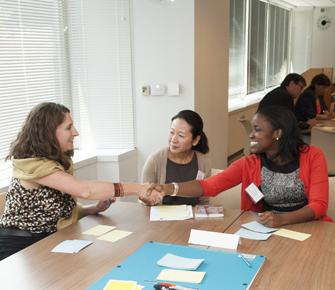
On July 17th, one of the hottest topics in Washington DC wasn't the weather but impact evaluations. Over 100 people participated in a conference entitled "Impact Evaluations: Can we learn more? Better?" and co-hosted by the Center for Global Development and the International Initiative for Impact Evaluation (3ie). The conference took stock of the growth in impact evaluations, considered ways to improve these studies and debated how to encourage their use in policymaking. Blogs by Bill Savedoff and Howard White reflect on the event while original video and slides are available here.
|
|
|
Pay Attention to Ethical Standards in Research
|
|
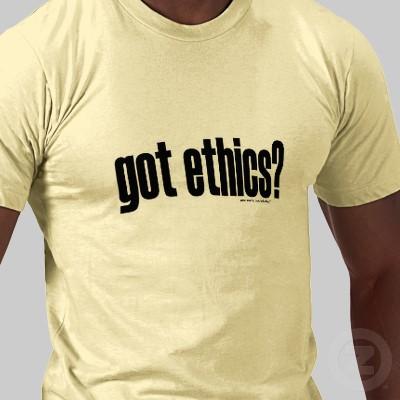
Also at the CGD-3ie event, Suzanne Duryea noted that agencies are not systematically assessing the ethics of the research they finance. Her concern is directly addressed in “Conducting Ethical Economic Research,” a recent Working Paper in which authors Alderman, Das and Rao discuss the meaning of informed consent; the difficulties of balancing transparency and confidentiality; and the advisability of creating a review board at the World Bank. Illustrated by the authors’ own detailed experiences from conducting research in a range of settings, this paper sets out a thoughtful and pragmatic agenda for addressing ethics in research.
|
|
AEA Launches New Registry for Randomized Control Trials in Economics
|
|
Research may look like an individual or a team effort but building evidence is really a much broader collective process involving decisions by peer reviewers, journals, and funders in ways that can bias the information that enters the public domain. The American Economic Association has taken an important step to improve this collective process by launching a registry for randomized controlled trials in economics. (Medical researchers have been doing this for years). Funders and peer reviewers are increasingly asking for trials to be registered in advance in order to improve access to results, increase transparency, and reduce publication bias. J-PAL and Innovations for Poverty Action (IPA) have taken the lead in creating and managing this new and important registry.
|
|
|
|
|
If there is anything you think we should know about or would like to recommend for the next Evaluation Gap Update, please send it to [email protected].
Earlier issues of this newsletter are also on our website for your perusal.
Thanks to Michael Clemens, Victoria Fan, Justin Sandefur, and Sarah Jane Staats for bringing items to my attention and to Kyla Lawrence and Aaron King for help in putting together this newsletter. |