Recommended
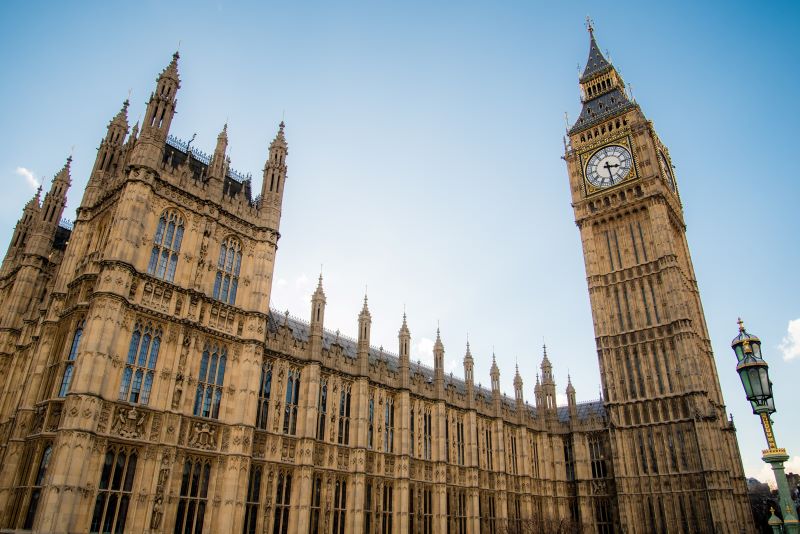
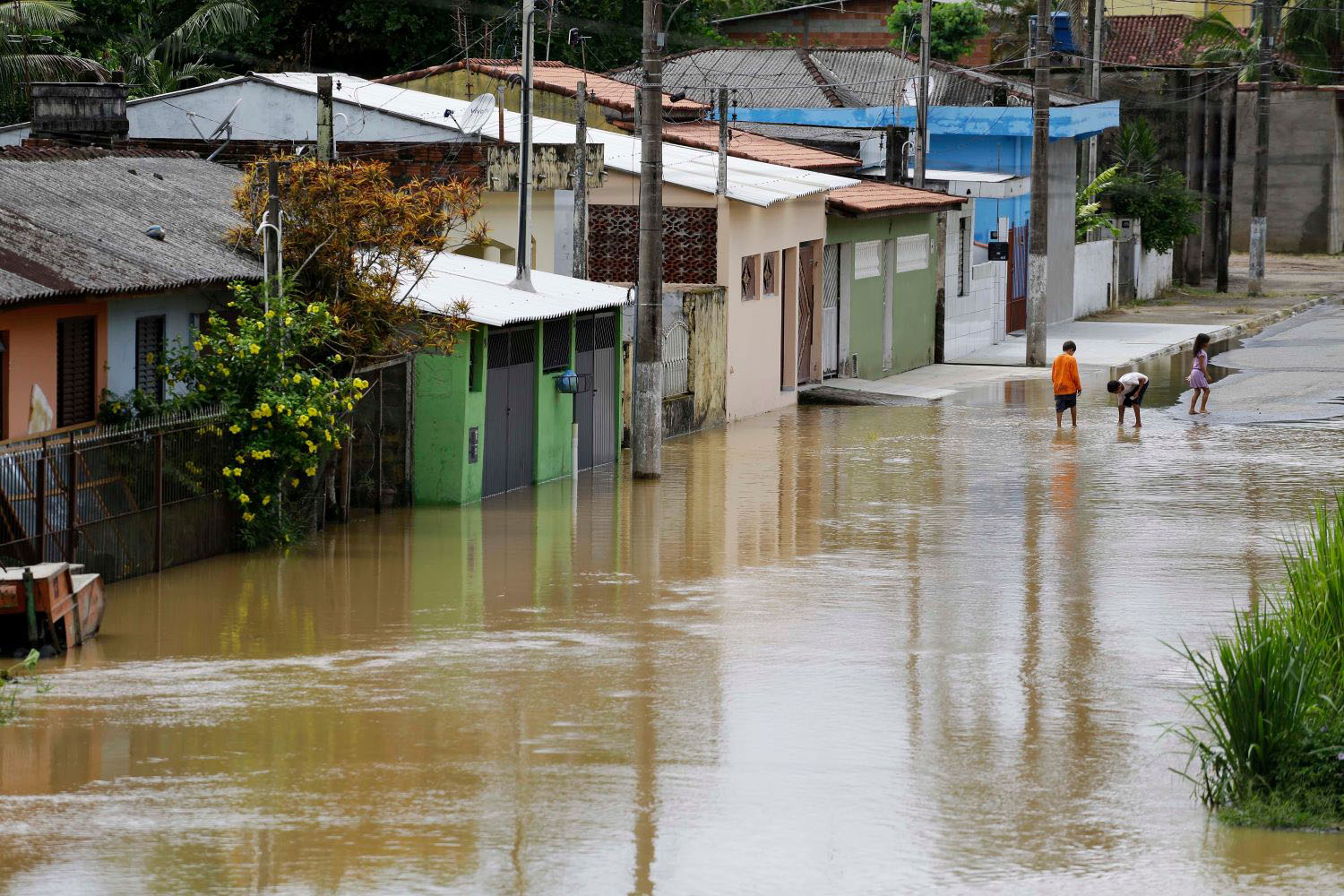
Earlier this year, the UK government published its international climate finance (ICF) strategy, setting out how its shift from traditional donor to a strategic investor will shape its approach to climate finance. This included a commitment to provide £6 billion in ICF official development assistance (ODA) over three years, and an aim to provide £6.7 billion in non-ODA ICF.
In a new CGD policy paper (and following the publication of the UK’s International Development Select Committee’s report on ICF), we explore what these commitments mean in practice, and how the UK should implement their strategy for maximum impact.
We estimate that if both targets are met, the total face value of UK climate finance will remain roughly flat across the coming years, with decreased levels of ODA nominally offset by the increase in non-ODA.
The context (a twenty-year low in international assistance) is, of course, challenging. The foreign secretary has clearly articulated the seriousness of the threats to global development and security posed by climate change. This acknowledgement must now be translated into action across all of the UK’s international levers.
An increase in non-ODA finance can help deliver additional overall impact through public investment in revenue-generating projects, largely for infrastructure in middle-income countries. But the reduction in ODA will directly impact the poorest countries and reduce the UK’s ability to make high-impact concessional interventions. This is out of step with rising global needs and will—if action is not taken—make international agreements to increase climate finance, and adaptation in particular, harder to achieve.
We identify below the actions the UK government should take to maximise the impact of ICF. This includes acting to protect the most vulnerable by setting a dedicated ODA target for adaptation, taking steps to improve coherence between ODA and non-ODA, improving reporting on non-ODA, and setting out further affordable measures to mobilise finance for climate globally.
What is in the ICF4 Strategy?
The ICF Strategy marks a continuation of longstanding priorities—finance mobilisation, energy system transformation, climate resilience, and protecting and restoring nature. The strategy leaves open the more difficult challenge of prioritising between and within these themes: how much to allocate to which area, and how to focus on deeper support in fewer places with a smaller budget.
The biggest shift in the strategy was formal recognition of the wider financial levers the UK has, encompassed in the £6.7 billion non-ODA goal, and a commitment to bring ODA and wider UK climate finance into a “single, more coherent approach”.
Moving beyond ODA is welcome, but we need an integrated strategy for delivering it
Investment levers cannot replace a diminished ODA budget but they do have value, and the UK’s decision to clearly separate its ODA and non-ODA targets should be welcomed. The £6.7 billion will comprise investments through UK public finance institutions (BII and UKEF), support through the IMF’s Resilience and Sustainability Facility and UK support for guarantees under the MDBs.
But the UK’s true level of ambition is obscured by the absence of any regular reporting of the UK’s non-ODA climate finance. The UK’s current non-ODA flows are largely pre-existing commitments dating back to Conservative governments. The major contribution made under the Labour government, British International Investment’s (BII) 40 percent climate target, is highly conservative and actually reflects a decrease in BII’s climate finance. There are also extensive delivery risks based on the current status of commitments. These range from a steep recent decline in climate finance from UK Export Finance to reliance on increasing demand for funding held by international financial institutions. We identify almost £3 billion of non-ODA ICF as particularly exposed to these challenges. The UK must act to resolve these risks to meet the £6.7bn target, setting out in more detail how it plans to meet the goal whilst ensuring it achieves impact.
The non-ODA target seems likely to include the UK’s new intention to invest in the Tropical Forests Forever Facility (TFFF) (announced since the strategy). The government framed that commitment as reducing ODA spend at the Department for Energy Security and Net Zero (DESNZ) to fund the cap on bus fares, and if it is to meet its £6 billion ICF ODA target will need to increase programming elsewhere in future years.
The use of investment levers to tackle climate is, in and of itself, a good thing. Where wider sources of finance and risk absorption measures can deliver a return whilst meeting development needs, they should be used. This allows scarce, grant-based ODA to go where it is most needed. But ensuring the UK’s delivery apparatus adds up to more than the sum of its parts will require new effort across Whitehall to coordinate. Whilst the intent to achieve this is expressed in the strategy, there is little information on how it will be put into practice.
Without a strong central function, cross-government strategies are often little more than communication exercises which give the illusion of a common approach. If it is serious about coherence, UK government departments should set out the practical steps to build synergies between its various levers. This should include considering where sequenced investment across its ODA and non-ODA levers could increase impact across partner countries. The central function should also strengthen accountability and transparency across its non-ODA funding portfolio, including in how impact is reported.
Adaptation for the poorest and most vulnerable must be prioritised
This shift also has implications for what ICF ODA should do. There should and could be clear targets set for grant-based adaptation finance targeting the most vulnerable countries (as we have previously suggested). Despite agreement last year to triple global adaptation finance by 2035, it remains chronically underfunded globally and investment is less likely to come from non-ODA interventions.
Fragile and conflict-afflicted states are particularly vulnerable to the impacts of climate change, and are neglected by current ODA flows, and the UK’s non-ODA levers will overwhelmingly favour investment in sectors and geographies which can offer return to investors.
The strength of the UK’s development footprint (and its reputation at COP), would benefit from a clear commitment to allocate well above 50 percent of climate ODA to adaptation, with an aim to move towards 70 percent over time.
The UK can lead a drive to improve global climate finance quality
Indicators suggest climate finance is often less impactful than wider development finance and too few institutions take its effectiveness seriously. The UK deserves credit for its focus on results and value for money, including by committing to publish ICF results as an official government statistics document. It should further strengthen its commitment to effectiveness and transparency by filling acute gaps in non-ODA reporting, laying out what its combined finance intends to achieve by setting impact targets across its portfolio; and publishing results at programme level.
The UK should also take this agenda up with other governments, leveraging its own high standards in what works, evaluation and results reporting. A cross-provider drive on effectiveness could deliver global impact; reduce duplication; and resolving longstanding access issues. The UK’s aim to drive stronger reporting on impact, standardisation and collaboration through multilateral actors is a strong start, but political effort will be needed to deliver reform across an ever-fragmented climate finance delivery architecture. The increased politicisation of climate in MDBs, including the abandonment of climate targets at the World Bank, means that the multilateral climate funds—with their clear focus on climate outcomes—are becoming more important in countries’ climate plans. Bilateral support from different providers should revolve more seamlessly around such plans, and the UK can play a role in making that happen. Its starting point is weakened by its decision to halve its pledge to the Green Climate Fund. But it must now work with the funds to show that promises of reform are reflected in action to squeeze impact out of every penny.
The levers left on the table
Overall finance trends fall far short of rising global needs. Even with a constrained balance sheet, the UK has untapped tools which it could put to use. These range from prudential and risk perception measures building on the work of the EMDE investor taskforce; to increasing rather than simply reiterating the provision of large-scale guarantees (export or development) to partner countries; recycling a share of revenues from the UK’s forthcoming tax on embedded carbon (CBAM) to low- and middle-income countries to accelerate transition in the countries who are paying it; and furthering its role as a champion of MDB reform, ensuring a climate focus. Each of these are possible with no or low impact on the exchequer.
Conclusion
Leadership change has brought the UK a foreign secretary with a globally respected climate record, and a development minister with a deep understanding of the needs of the world’s poorest. Building off the strategy, the FCDO and DESNZ should work with other departments to set out a more comprehensive set of measures to reflect the scale of the challenge facing global climate and development finance, enable ever scarcer ODA to be targeted where it is needed most, set stretching impact targets, report transparently on volumes and results, and lead other countries to ensure global climate finance is fully effective. Only then will the UK be sweating all of its resources, and reaping the benefit of driving clean and resilient investment to where it is needed. Success will require reform in how policy commitments are delivered, not only how they are announced
DISCLAIMER & PERMISSIONS
CGD's publications reflect the views of the authors, drawing on prior research and experience in their areas of expertise. CGD is a nonpartisan, independent organization and does not take institutional positions. You may use and disseminate CGD's publications under these conditions.
Thumbnail image by: World Vision/DFID - UK Department for International Development