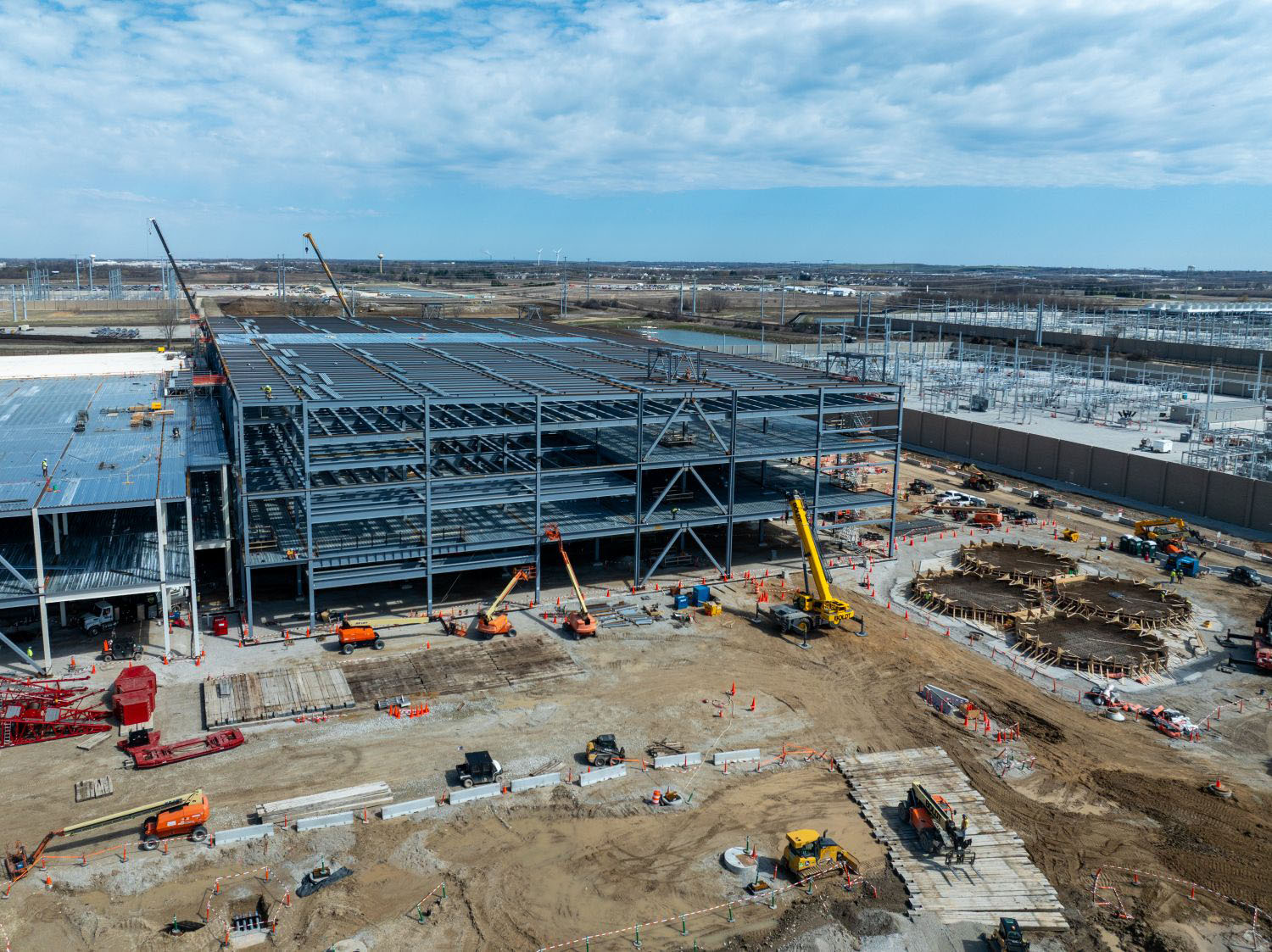
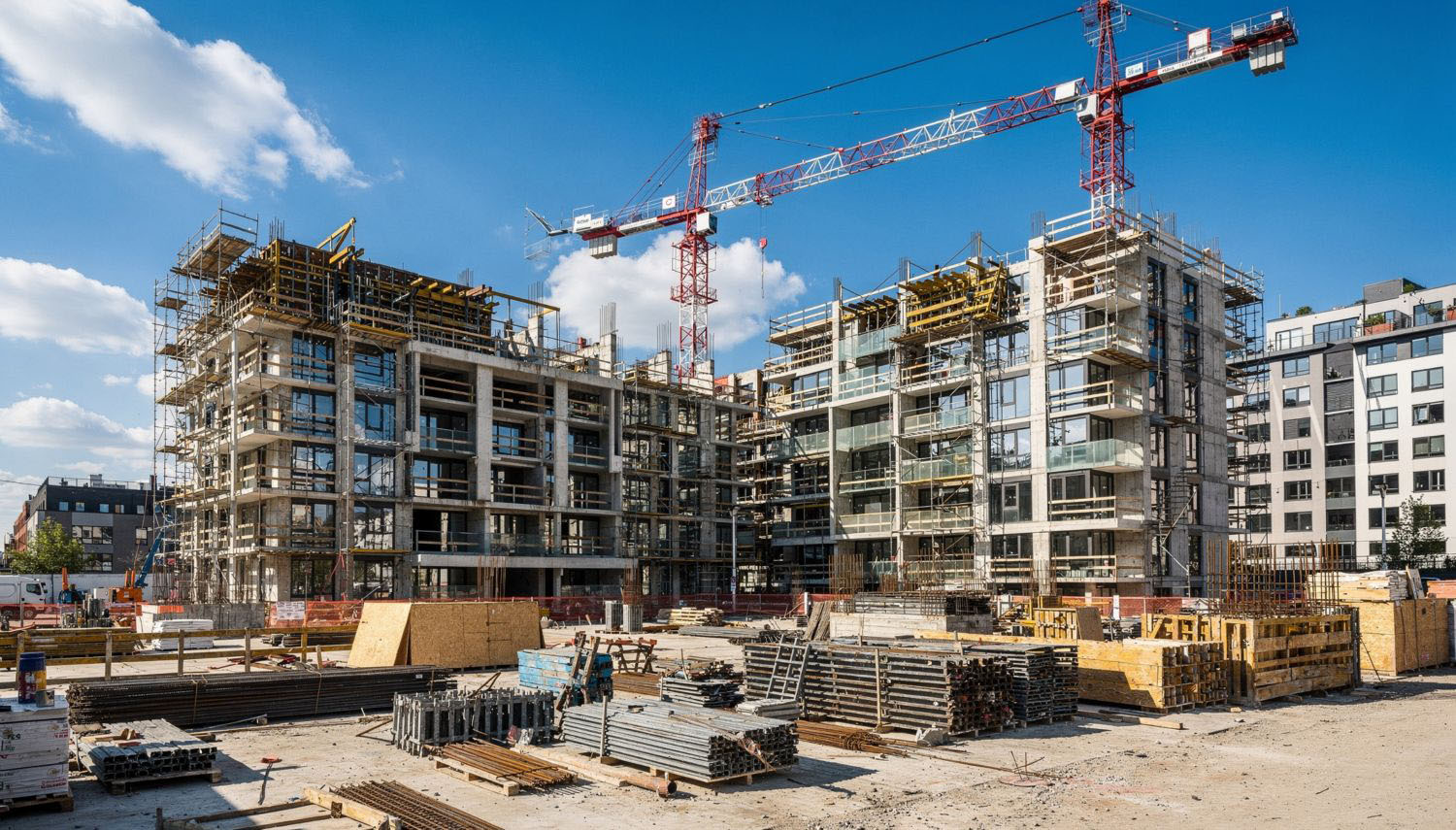
Suppose two firms bid to build and operate the same factory. One asks for up to $4.2 million in public support while the other asks for $3.5 million. If only the first firm came forward, how would the deal team know whether the project really needed $4.2 million? This is a problem as old as auctions in Babylonia. When selling items, the seller did not deal one-on-one with potential buyers. Instead, the seller brought them together and made them compete for the sale. Why don’t the International Finance Corporation (IFC) and the Multilateral Investment Guarantee Agency (MIGA) do what the Babylonians did by default?
Deal teams at the IFC and MIGA negotiate subsidies one-on-one with sponsors investing in developing countries, including those affected by conflict and fragility. This is unlikely to always go well for these institutions because a sponsor knows what it would take to get the project started and has little reason to say how much less it would accept.
In a new CGD policy paper, Revealing the Subsidy: A Proposed Pilot for IDA’s Private Sector Window, I propose a pilot to test what happens when sponsors compete for support. A companion working paper explains the contract and the auction in detail.
The pilot would use the Private Sector Window (PSW) of the International Development Association (IDA), the World Bank Group’s fund for the poorest countries. During IDA20, from July 2022 to June 2025, gross PSW board approvals totaled $3.2 billion, including funds recommitted after cancellations. The idea builds on earlier CGD work on competitive bidding by Karen Mathiasen, Nancy Lee and Samuel Matthews, as well as work by Charles Kenny.
If the IFC has only one sponsor to negotiate with, turning down the request might mean dropping the project. The IFC deal team wants the project to go ahead. Deal volume weighs heavily in how the IFC assesses its teams. If I know this, so does the sponsor. The sponsor has some room to ask for more before the IFC is ready to drop the project.
In an auction, a firm asking for more support risks losing to a rival. The IFC would specify the service and assess the project’s development benefits. Then it would need qualified firms willing to bid on the same contract.
Chile expected to subsidize rural telephone service. In its 1995 auction round, the government received bids asking for no subsidy on 16 of 46 projects. CTC bid at or near the maximum subsidy on 23 projects where it had no rival.
How the auction would work
I introduce the Least Present Value of Support auction, which borrows heavily from the auction Engel, Fischer and Galetovic designed for highway franchises (1996 and 2001). Each firm bids the support cap it needs, measured in present value.
Referring to the factory example, the $3.5 million bid wins and sets the support cap. That means that the IFC pays up to $3.5 million to the sponsor but only against independently verified revenue shortfalls. Say the plant’s revenue for the year falls $1 million short of the agreed level. If the contract covers 80 percent of the shortfall, the IFC pays $0.8 million, and the sponsor bears the rest.
The contract allows the concession to run longer when earnings fall short. When the plant operator bids, it knows the concession could run longer and factors that into its offer. The operator runs the plant until the present value of net earnings plus support reaches the preset target or the contract reaches its maximum term. If support runs out first, payments stop and the contract carries on.
The auction is designed to deter underbidding. A sponsor hoping to win with a low bid must live with the cap. Its own money is in the project. If earnings fall short, the sponsor waits longer to get its money back and might lose it altogether.
In the worst case, when a conflict flares up and there is expropriation, MIGA insurance provides cover to the investor.
The auction design also deters renegotiation. Once the project is under way, the winning firm might come back to the IFC for more support. In one study of roughly 1,000 infrastructure concessions in Latin America and the Caribbean, the parties renegotiated about 30 percent of the contract. Under the proposed contract, firms know before bidding what happens if revenues fall. A firm might still stop providing the service.
One place to start would be a power plant selling electricity to a utility under a long-term contract. Several qualified companies would have to be willing to operate the plant, and a third party would need a way to verify its revenues. The plant would have to be profitable in a typical year. But the plant’s investors might hesitate to participate without some way to make up for shortfalls in a down year. Caution is even more warranted when walking away would mean losing much of their investment.
Would the IFC save money with an auction? To find out, it would need to compare what it expects to pay in an auction with what it would expect to pay in a negotiated deal.
The proposal is to auction $150 million to $200 million in PSW support. Awards are planned for 2027 if the pilot is approved. By June 2028, an independent review would report on who bid, which projects secured financing, and how far along they were. Expanding the pilot would depend on how the projects perform and what they cost the public.
The Babylonians would have known what to do with the $4.2 million request. They would have asked for a second bid.