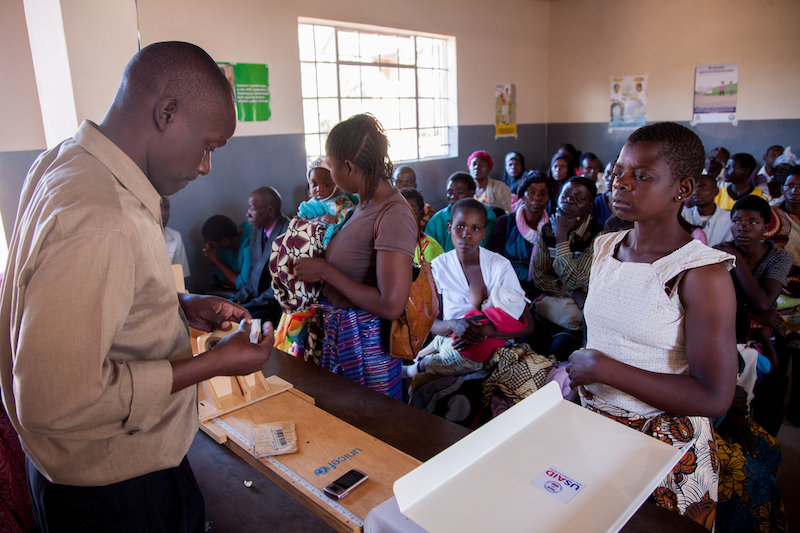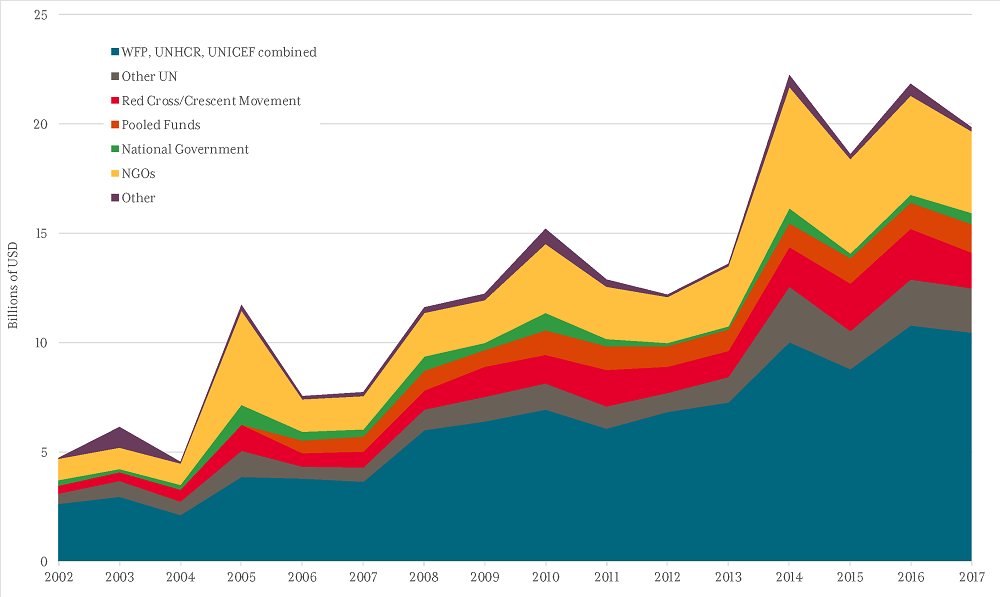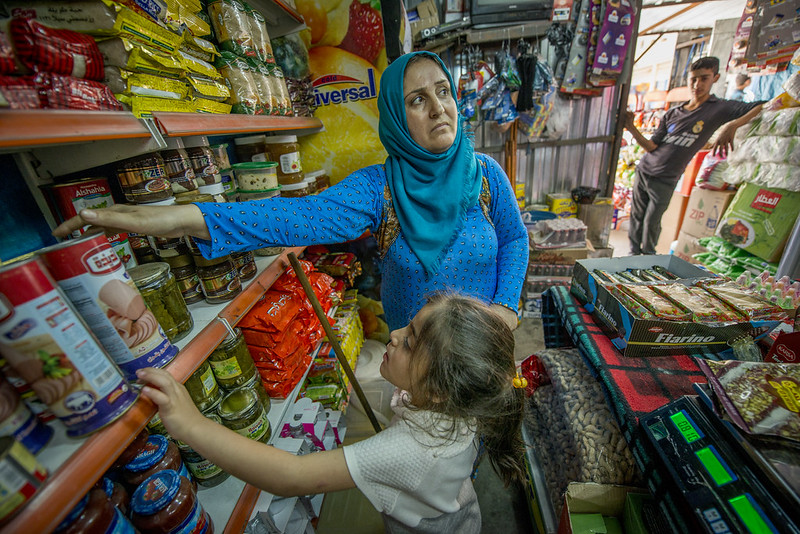
The world is currently facing the highest levels of forced displacement and humanitarian need. Yet the humanitarian system allocates its resources inefficiently, reaches too few people, and fails to provide what vulnerable populations say they need the most.
Despite modest progress as a result of three major reform efforts since 2005, each have fallen short of their aspirations. There is a lack of political will to tackle the power dynamics and skewed incentives that characterize the humanitarian system’s business model.
To achieve deeper reform, efforts need to be reoriented away from the priorities of aid agencies and donors – towards the needs of affected populations. To build on progress to date, this project aims to:
-
Transform understanding of power structures in the humanitarian system and the resources that reinforce these structures;
-
Support efforts to shift control of coordination, financing and governance models to be about those we serve, not those who serve; and
-
Develop recommendations which support aid agencies and donors to deliver more accountable and effective humanitarian action.
Our research will develop actionable and concrete policy options for moving the humanitarian system away from a fragmented, supply-driven model – toward a more coherent, demand-driven model that’s fit for the future. It will deliver a more ambitious vision targeting three aspects of the system.
-
Coordination: field delivery coordination models that put affected people first and strengthen frontline response.
-
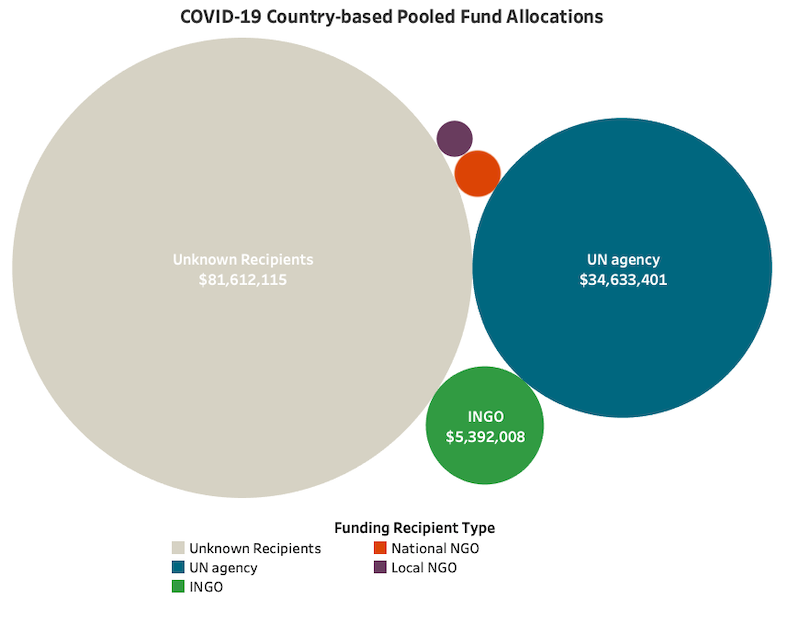
Financing: alternative approaches to humanitarian financing that lower entry barriers for local and national actors.
-
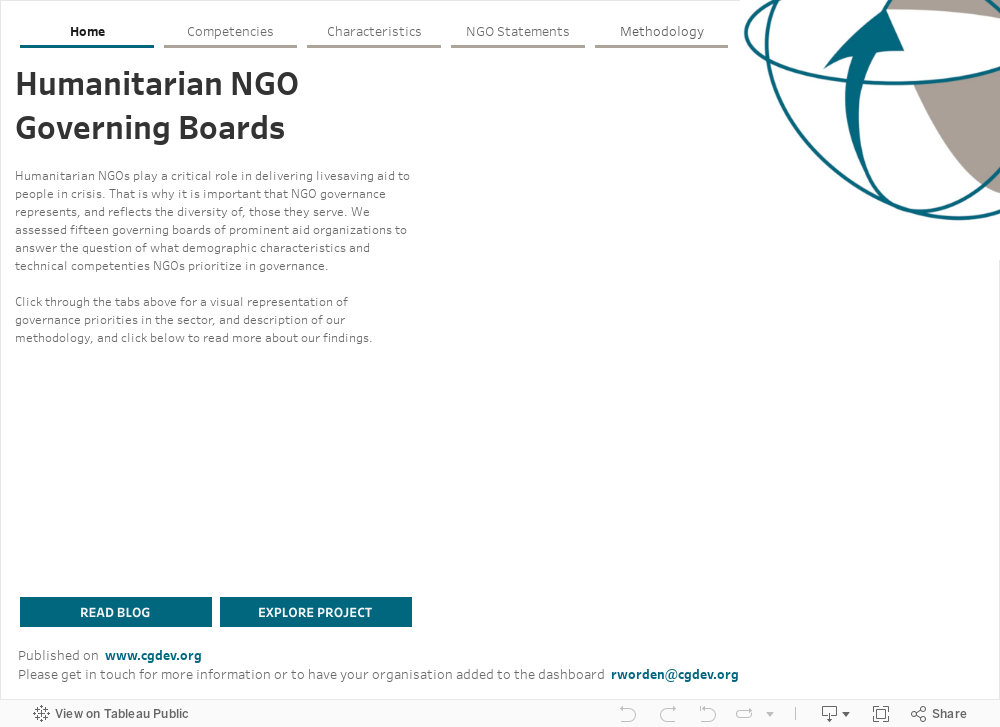
Governance: humanitarian governance that prioritises efficiency and performance, and accountability to affected people.