Putting the AI Windfall to Work

The AI boom could result in anywhere from $50 billion to $100 billion in annual philanthropic spending over the next few years. The question is, how can this money be spent effectively? A new blog series from CGD makes the case for highly cost-effective areas that philanthropists may want to consider.


More from the Series

ESSAY

AI, Gender Equality, and Self-Healing

September 10, 2026
There’s immense value in curating an evidence-based set of scalable, cost-effective interventions, but not everything is known or measurable, and investing in things need not come at the expense of investing in people. Shifting future funding from a predominantly things-centered approach to a more p...
Blog Post

AI Philanthropy Should Buy the Breakthroughs Markets Won’t

August 10, 2026
In the first blog in this series, Rachel Glennerster and I suggested that new philanthropists could spend tens of billions of dollars on proven cost-effective interventions. This blog is about buying the solutions that don’t yet exist. A legally binding promise to pay for a breakthrough can change w...
Blog Post

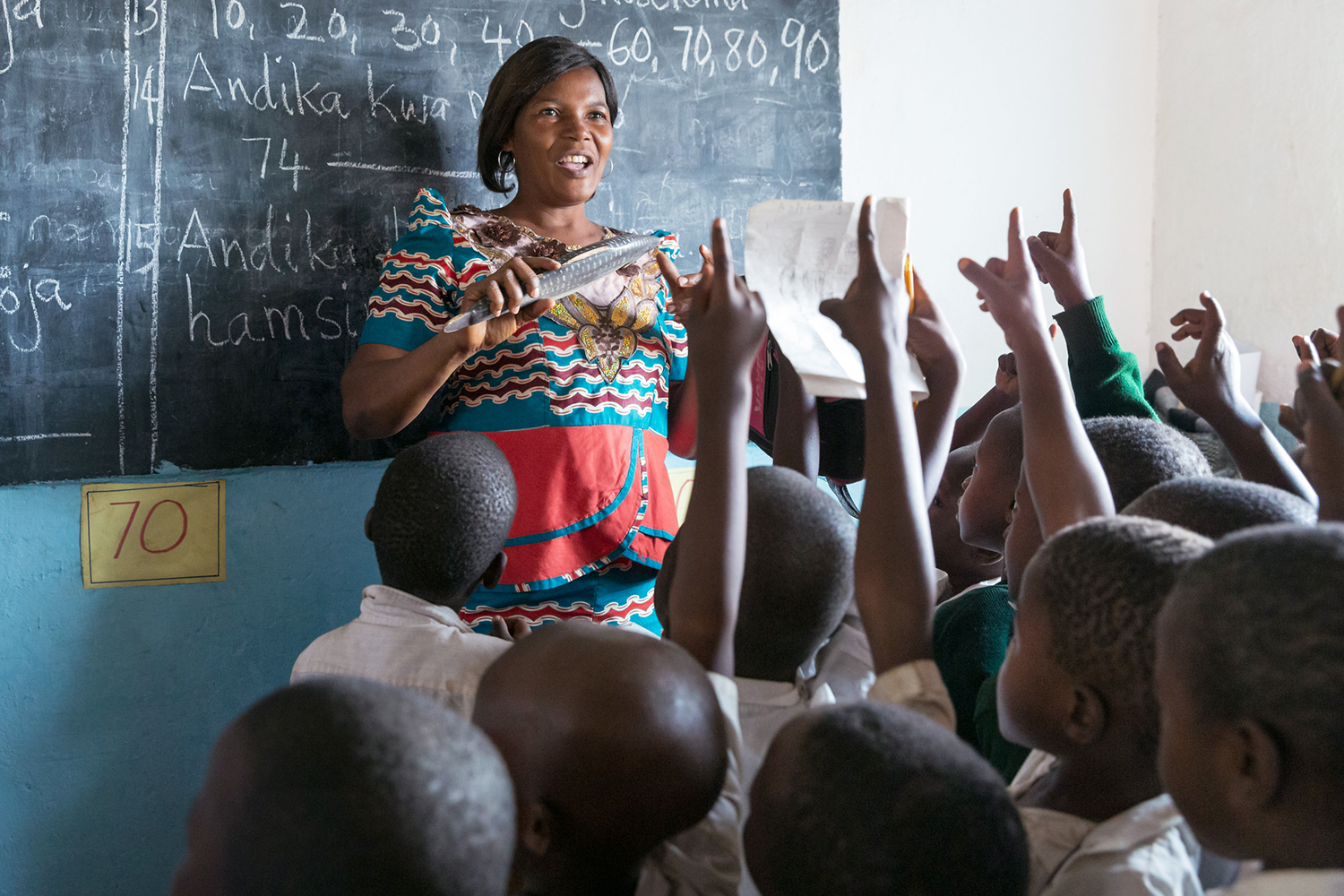
How to Spend Your AI Philanthropy on Education

August 06, 2026
If I worked at a frontier AI lab and just became an overnight billionaire, my first thought would be to do something simple and give it all to GiveDirectly or GiveWell. But organisations in the business of delivering real-world, non-digital services are constrained in their growth by the difficulty ...
Blog Post

New AI Philanthropy Should Fund Country Health Partnerships, Not Just Interventions

August 04, 2026
CGD's new series on AI philanthropy focuses on what interventions should be funded. The series has therefore inherited the default frame of the current global health architecture. In this blog, I propose an alternative: that the highest value use of new philanthropic money is country health partners...