As populism gains traction around the world, it is reshaping everything from global trade to domestic education policy. But while “experts” are under fire in this time of populism now more than ever, data-driven evidence that delivers for regular people is essential.
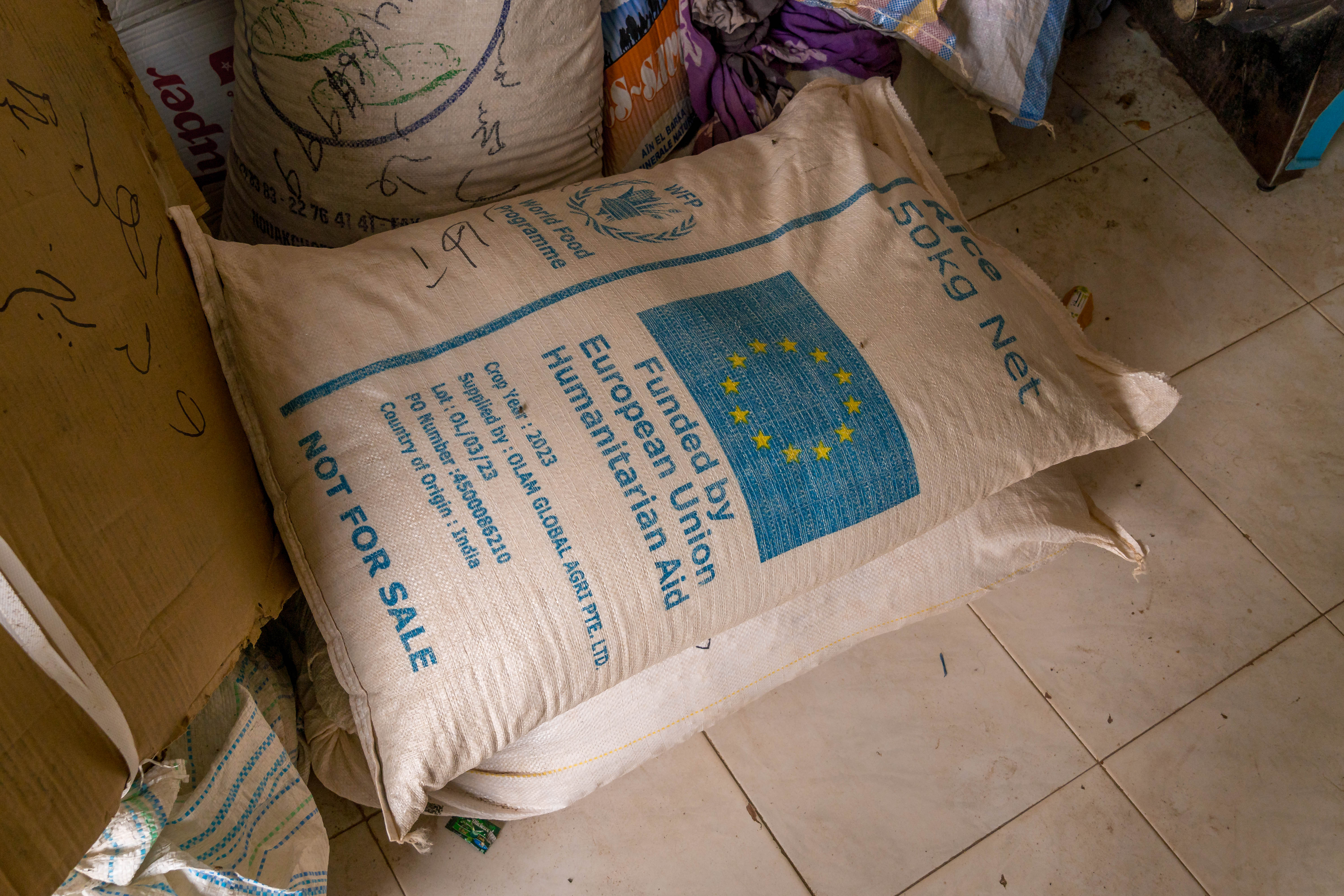
There are many definitions of populism, but at its heart, it is a political approach that strives to appeal to ordinary people who feel their concerns are disregarded by established elite groups. And yet, populist movements have introduced policies that most economists (admittedly, “elite” expert economists) believe actually hurt the lives of regular people. For example, tariffs (taxes on imported goods), a populist tool, tend to have a disproportionate impact on lower-income families, and undermine growth in high-, middle-, and low-income countries. The nationalist element of populism has also contributed to shrinking aid budgets as high-income countries prioritize spending at home.
The disparaging of evidence and the cuts in aid can be discouraging for those of us who have committed our working lives to generating evidence, including on the most effective uses of aid. But we should not conclude that generating evidence is no longer useful.
Evidence, especially that which is clearly explained, is needed more than ever. With smaller aid budgets, it is imperative that we use every dollar as effectively as possible. More importantly, as aid shrinks and growth rates are hit by reductions in international trade and higher interest rates, low- and middle-income countries need practical ways to improve the lives of ordinary people within tight budget constraints.
It is naive to think that evidence is the only thing that factors into politicians’ or bureaucrats’ decisions to pursue a given policy. But in general, I have found that policymakers are open to concrete suggestions of things they can do cheaply to improve lives.
That does not mean we should ignore populism. It is important to take into account political realities when making policy proposals based on evidence, and I have found it useful in my career to concentrate my advice where it is most likely to be welcome. But many policymakers are still looking for good ideas, and many are keener than ever to find cost-effective investments.
That is what researchers who care about policy should be doing: providing practical, evidence-based suggestions on how to improve the lives of ordinary people, whether it be in education, nutrition, health, or social protection.
Modern microeconomists are often criticized for working on “small” issues related to human capital and social protection. But these issues are important for driving income growth and protecting against shocks: they are topics ordinary people care a lot about.
Development economists have a vital role to play in a world where populism has a growing influence. What unites their work is a commitment to using data to inform policy and put human welfare at the center of development.
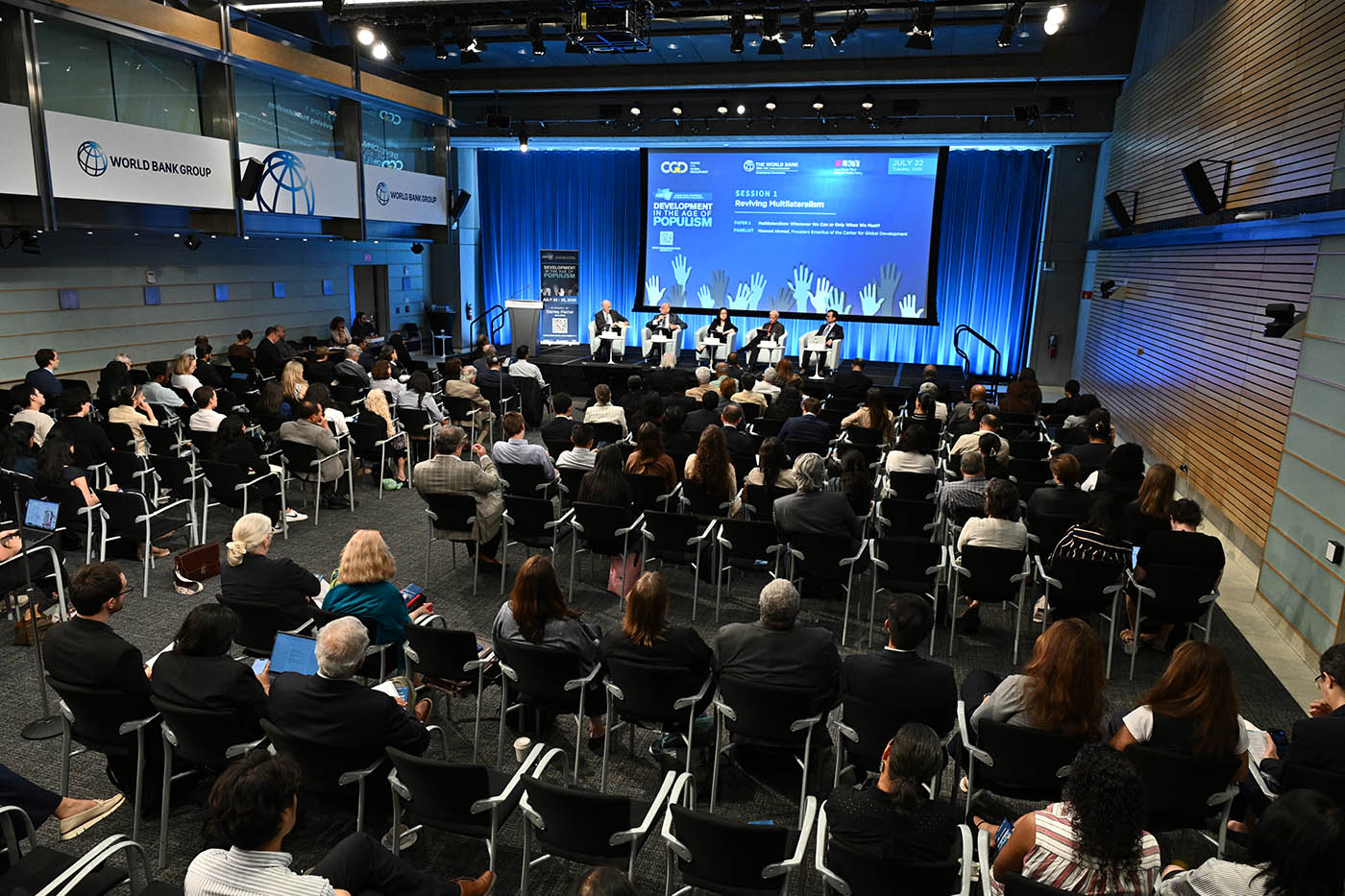
This summer’s Annual World Bank Conference on Development Economics (ABCDE)—cohosted by CGD, the World Bank, and the Lee Kuan Yew School of Public Policy—brought together leading economists to identify the best paths forward for development in this age of populism. Participants provided powerful insights into the critical role of safety nets in ensuring social protection in turbulent times (Tom Vogl, Rema Hanna) and how political economy considerations can shape better policy outcomes (Shanta Devarajan, Laura Schechter). We learned about important work on scalable education interventions that improve learning outcomes (Christina Brown), the long-run effects of early-life nutrition shocks and how these are linked to agricultural markets (Kibrom Tafere, Kathy Baylis, Chris Barrett), and how to make migration work for both sending and receiving countries (Çağlar Özden, Caroline Theoharides).
It’s time for a collective call to action to defend the ideas that people are the real drivers of development and that evidence matters. There is no sustainable growth without human capital accumulation, and even in an age of populism, evidence is our best tool for building a better world.