Recommended

Press Release
Last week CGD hosted the First Annual Research Conference on Global lead Exposure. Most health issues have their own dedicated research conference, but remarkably until now, not lead. We had a great turnout, filling the Birdsall House Conference Center at CGD in Washington DC, with 143 attendees (and over 1,000 viewers online), 32 speakers from 11 countries, 26 presentations, and 14 posters. Lead is an inherently interdisciplinary issue, bringing together researchers from environment, health, epidemiology, chemistry, economics, engineering, and dentistry. The conference attracted engagement from across these fields.
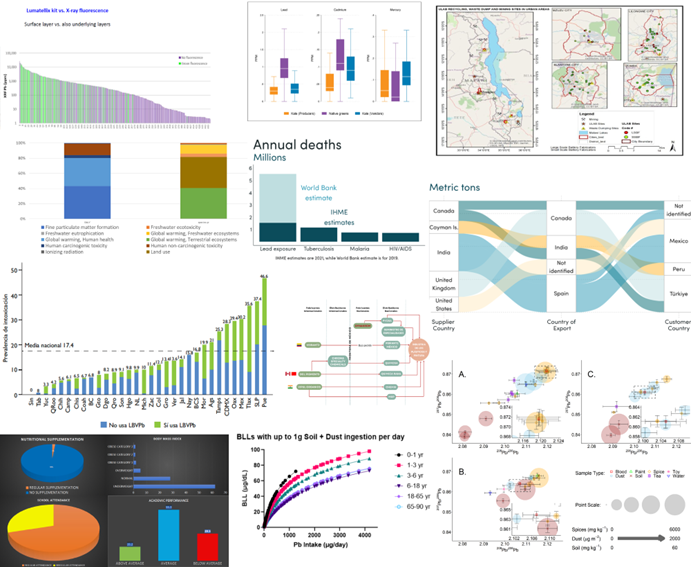
We organised the conference around three key research questions:
- What exactly is the impact of lead?
- What are the sources of lead?
- What can we do about it?
In this blog we’ll round up our quick takeaways from the 24 research presentations. You can watch back the whole conference, including the excellent panel discussions with leading policymakers from UNICEF, the World Bank, and Open Philanthropy, on CGD’s YouTube here. Where available, we’ve linked to research papers from the conference.
What is the impact of lead?
- New estimates from the Institute for Health Metrics and Evaluation at the University of Washington in Seattle show that lead is now the 8th largest cause of death in their modelling, leading to 3.45 million deaths in 2023 (Spearman).
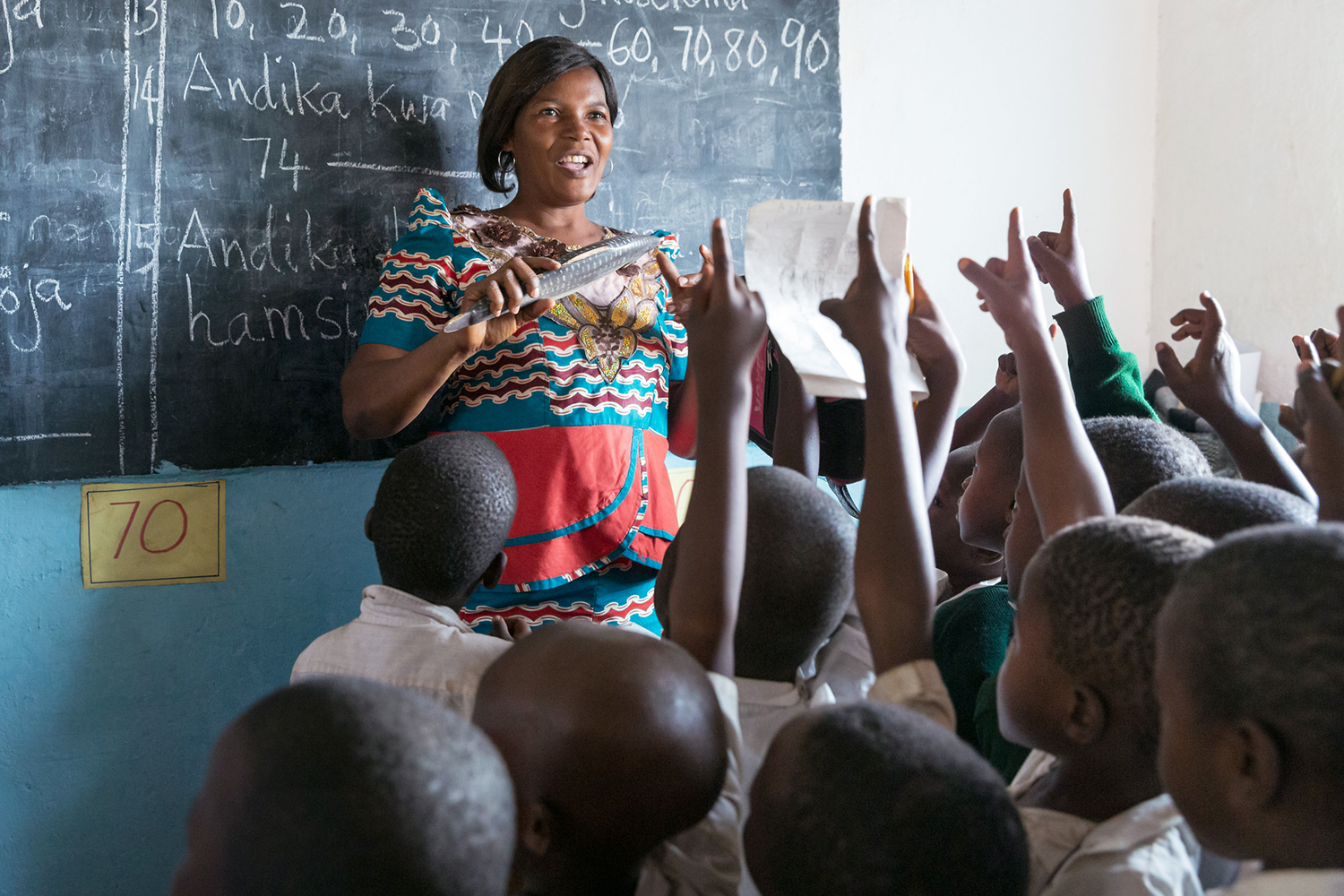
- New causal effects of the consequences of exposure to lead on children’s cognition use proximity to battery recycling sites as natural experiments. In Indonesia, this led to learning losses equivalent to 3 years of schooling when exposure occurred below the age of 7 and within 3 km of ULAB recycling sites (Berkhout et al). In Kenya, exposure to ULAB recycling reduced learning for students attending school within 8 km of a recycling plant (Ipapa).
Where is lead coming from?
The diverse sources of lead exposure make it difficult to track down and eliminate point sources. The conference highlighted new research on three of the most important sources;
Battery recycling
- Five million people in Dhaka, Bangladesh live within 2km of a polluting lead battery recycling site. Overall 98 percent of children have blood lead above the CDC reference value of 3.5 µg/dL, and exposure is highly correlated with distance to recycling sites (Forsyth, publication pending).
- Informal battery recycling produces about seven times more environmental lead contamination than formal recycling firms in Bangladesh and the informal market attracts over 50 percent of ULAB recycling market share (Jamal).
- New estimates of the global share of lead burden suggest that overall informal battery recycling could play a much bigger role than previously thought (Crawfurd, publication pending).
Paint
- Nationally representative survey data shows that 45 percent of Indonesian households have lead paint, disproportionately affecting the poorest population (Seitz).
- Despite years of campaigning, lead paint in traditional pottery in Mexico is pervasive—only 14 percent of shops have suspended the use of lead glaze for their goods. The glaze has an average concentration of 36 percent lead by weight (Chávez Arce).
Food and water
- Half of samples of kale grown in Nairobi have high lead content (Hoffmann, publication pending).
- Half of tested water samples in Addis Ababa have lead levels above the 10 micrograms/L threshold of concern (Ambelu).
- If you cook in lead-contaminated pans how much lead gets into the food? Lab tests suggest significant heterogeneity by pot type and cooking temperature (Binkhorst).
What can we do about it?
Surveillance is a critical first step
- Experience from India, Indonesia, Peru, Colombia, and Kyrgyzstan shows how to assess the health system capacity needed for ongoing blood lead surveillance and these approaches should be customized to country context (Lu and Pimplé, publication pending).
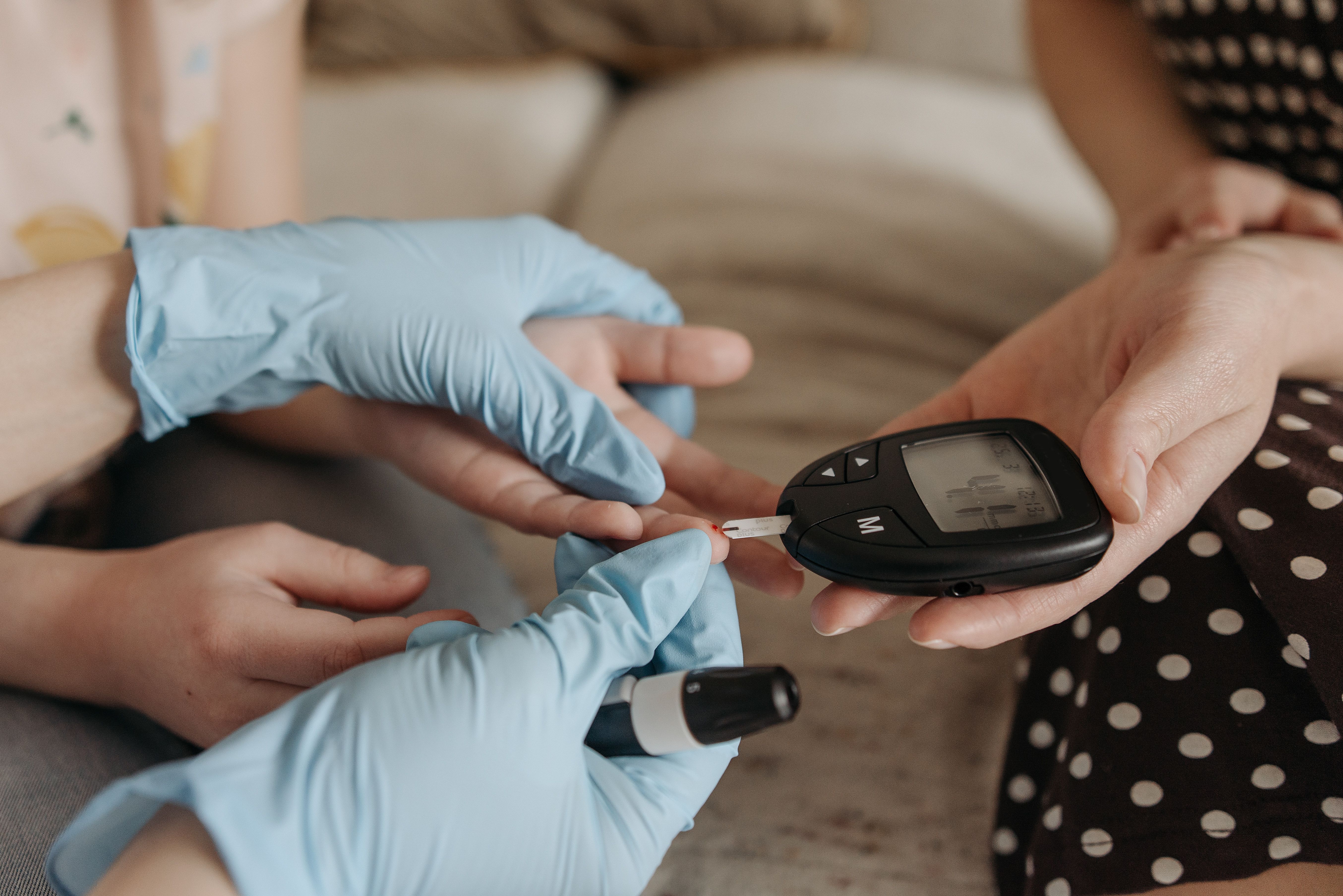
- Representative data on blood lead levels is rare, but can spur action. The UNICEF MICS survey in Georgia spurred policy action that led to large 75 percent reductions in blood lead levels (Ruadze).
- A new representative survey from Tamil Nadu, India, shows that 39 percent of children have elevated blood lead levels (let’s hope it spurs the same kind of action as the Georgia survey) (Vinayagamoorthy, publication pending).
- Taking blood samples isn’t always easy. As a second-best measure, “biokinetic” models can estimate blood lead levels from easier-to-collect environmental measures of lead in soil, air, water, and food. The new “All Ages Lead Model” is the latest such model (Sefton and Bartrem).
Battery recycling
- Lead battery manufacturers should improve the quality of their product to yield longer lasting batteries, lowering the quantity of ULABs to be recycled (Kundu, publication pending).
- In Brazil, tax-breaks for formal recyclers and rules on reverse logistics led to a large increase in formal sector recycling, with tentative signs of negative health impacts (Jarrell, publication pending).
Paint
- The government of Malawi is particularly engaged in lead poisoning as a domestic issue, as a founding member of the Partnership for a Lead-Free Future, and the country has had great success in using policy as a tool to address the issue. Better regulation in Malawi led to a 43 percent reduction in lead paint market share. This action needs to be expanded to other industries such as used lead-acid battery recycling (Zimba, publication pending).
- Low-cost participatory paint screening can increase awareness about lead poisoning (van Geen, publication pending).
- New data on international trade in lead paint pigment shows continued exports from rich to poor countries. Lead chromate exports are low-hanging fruit for policymakers to make a small change that could yield disproportionally high results; the Rotterdam Convention should add lead chromate to its list of regulated substances (Todd).
Food
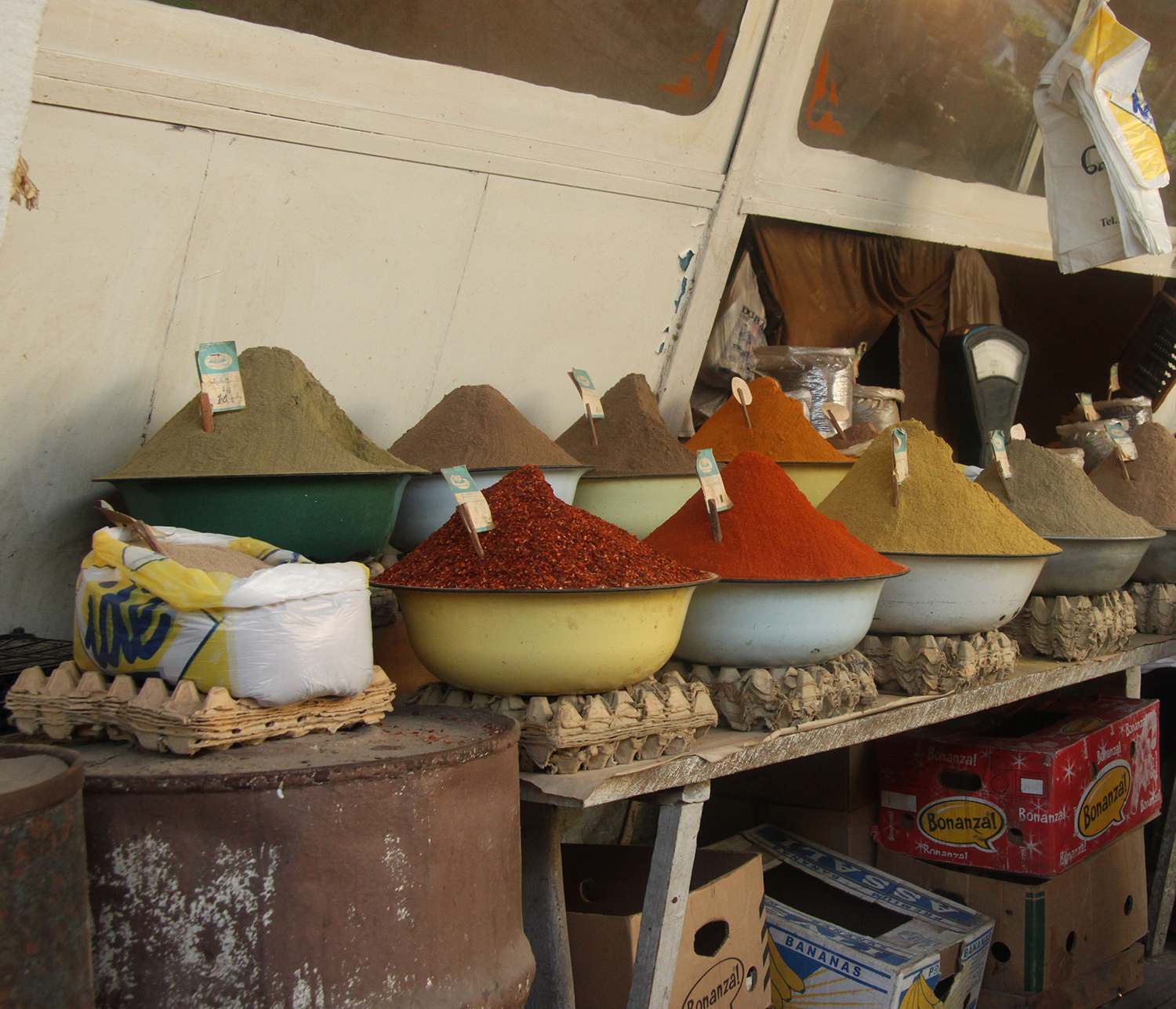
- Addition of lead chromate to turmeric can be eradicated through interventions that proved successful in Punjab (raiding shops, turmeric testing tool, conducted trainings) (Anwar, publication pending).
- Better regulation of lead use in glazes for ceramics is a priority for Mexico (Tamayo-Ortiz).
Occupational safety
- When miners are educated about the negative health impacts they face from lead exposure, they care and take action to protect their health; training artisanal miners on basic safety protocols can reduce blood lead of miners and their families by 30 percent (Gottesfeld 1, Gottesfeld 2)
Nutritional supplementation
- Water filtration, nutritional supplement, and information led to large reductions in blood lead in Gurgaon, India (Srivastava, publication pending)
The conference was hugely successful in raising questions and identifying next steps for research in global lead poisoning. Next comes solutions!
Whilst we’ve learnt a lot, there is still a huge amount more we need to learn to be able to give the best guidance to policymakers about where to focus their efforts. We’ll be holding a second conference next year, so we’re looking forward to some more answers. Watch this space.
Topics
DISCLAIMER & PERMISSIONS
CGD's publications reflect the views of the authors, drawing on prior research and experience in their areas of expertise. CGD is a nonpartisan, independent organization and does not take institutional positions. You may use and disseminate CGD's publications under these conditions.
Thumbnail image by: dmitrydesigner/ Adobe Stock