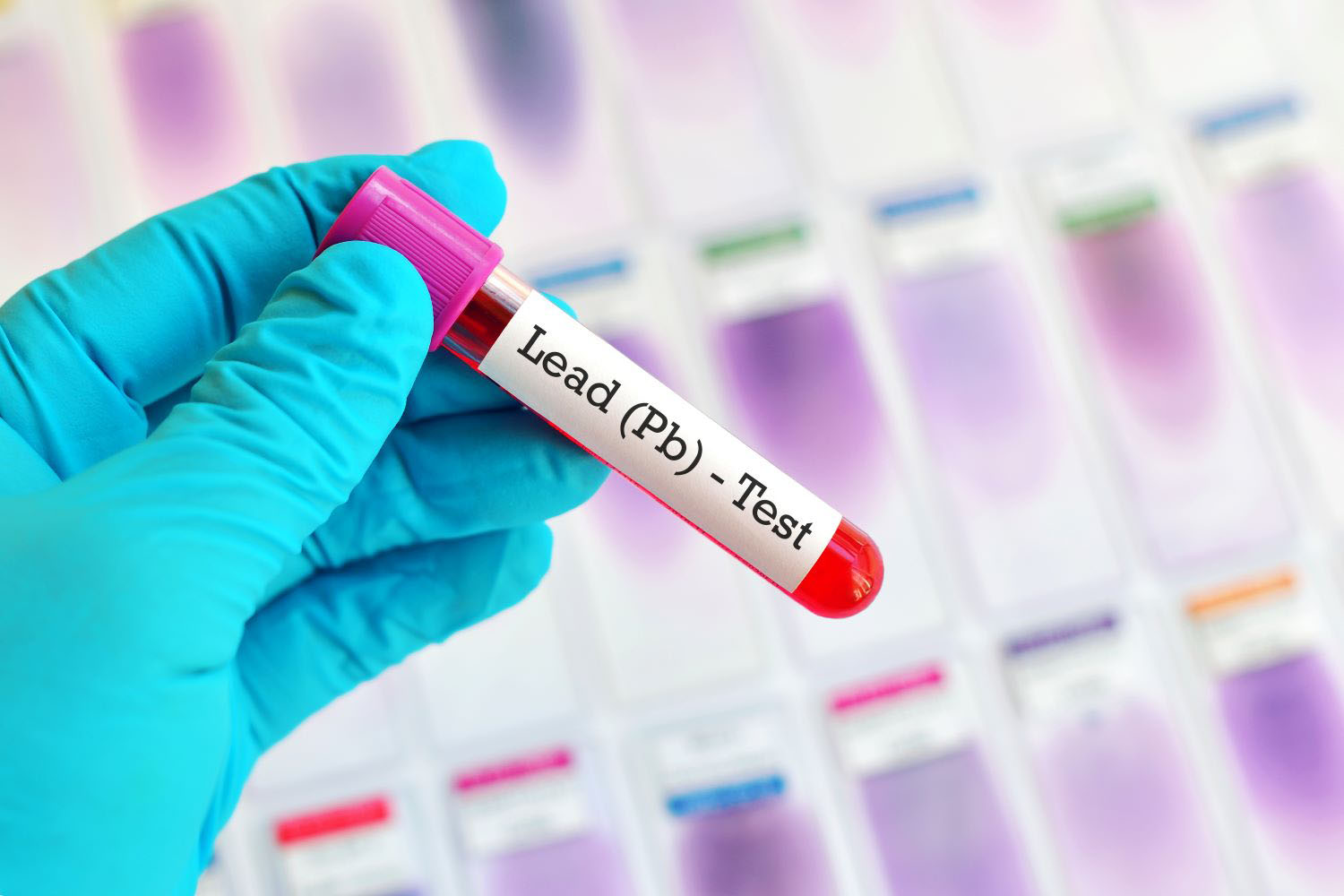
This month saw joint meetings of the Conferences of the Parties (COPs) to the Basel, Rotterdam and Stockholm Convention. These meetings are held once every two years, and are the key mechanisms for international collaboration on safe management of toxic chemicals. The Basel Convention covers international trade in waste, Rotterdam covers trade in toxic chemicals, and Stockholm covers bans on organic pollutants. This meeting was another missed opportunity to tackle lead exposure.
Shockingly, whilst the Rotterdam Convention regulates trade in some toxic lead compounds, such as the additives used in leaded petrol/gasoline, it does not regulate trade in lead chromate—the toxic and unnecessary pigment which is still used in paints and plastics in many countries. This month, the Conference added two new pesticides to the list of regulated chemicals—but still not lead chromate. As new CGD research shows, international trade in lead chromate is still widespread, despite the existence of non-toxic alternatives. This includes 3,000 metric tons in annual exports from rich countries that have domestic controls on usage, to poorer countries with weaker controls. These exports can cause substantial harm to human health—enough to poison 277,000 children each year, depending on end-use.
So what needs to happen for the trade in lead chromate paint pigment to be regulated? To be covered by the Convention, countries from two different world regions that have banned lead paint domestically need to submit a notification to the convention for listing. Currently, Cameroon and Morocco are the only two countries to have done this, both from the African region. There has been little urgency from other countries—in part due to uncertainty about what constitutes a “final regulatory action” domestically, and the fact that many countries had already banned lead paint domestically before they ratified the Convention. The EU and UK already run their own regulations on lead chromate exports, through their existing “Prior Informed Consent,” or PIC regimes. Covering lead under the Rotterdam Convention would require major exporters, such as India, to introduce their own prior informed consent regulations. Ultimately then, children are still being poisoned, in part because of bureaucratic inertia.
In somewhat brighter news, the COP meetings saw the drafting of new guidance on safe management of used lead-acid batteries (UNEP/CHW.17/INF/76). Once approved, this will update official guidance dating from 2003, adding specific advice on the informal sector, which is the greatest risk of lead exposure in most low- and middle-income countries. It also includes further detail on producer responsibility schemes, and new technologies around digital traceability.
Countries should not wait for the Parties to the Rotterdam Convention to act. National governments can implement unilateral restrictions on imports and exports of lead chromate, following the model of the countries that have enacted comprehensive lead paint laws. Paint manufacturers can voluntarily phase out lead chromate, as many responsible companies already have, demonstrating that safer alternatives are both available and economically viable. Listing lead chromate in 2027 is realistic if more countries file notifications. Start the paperwork.