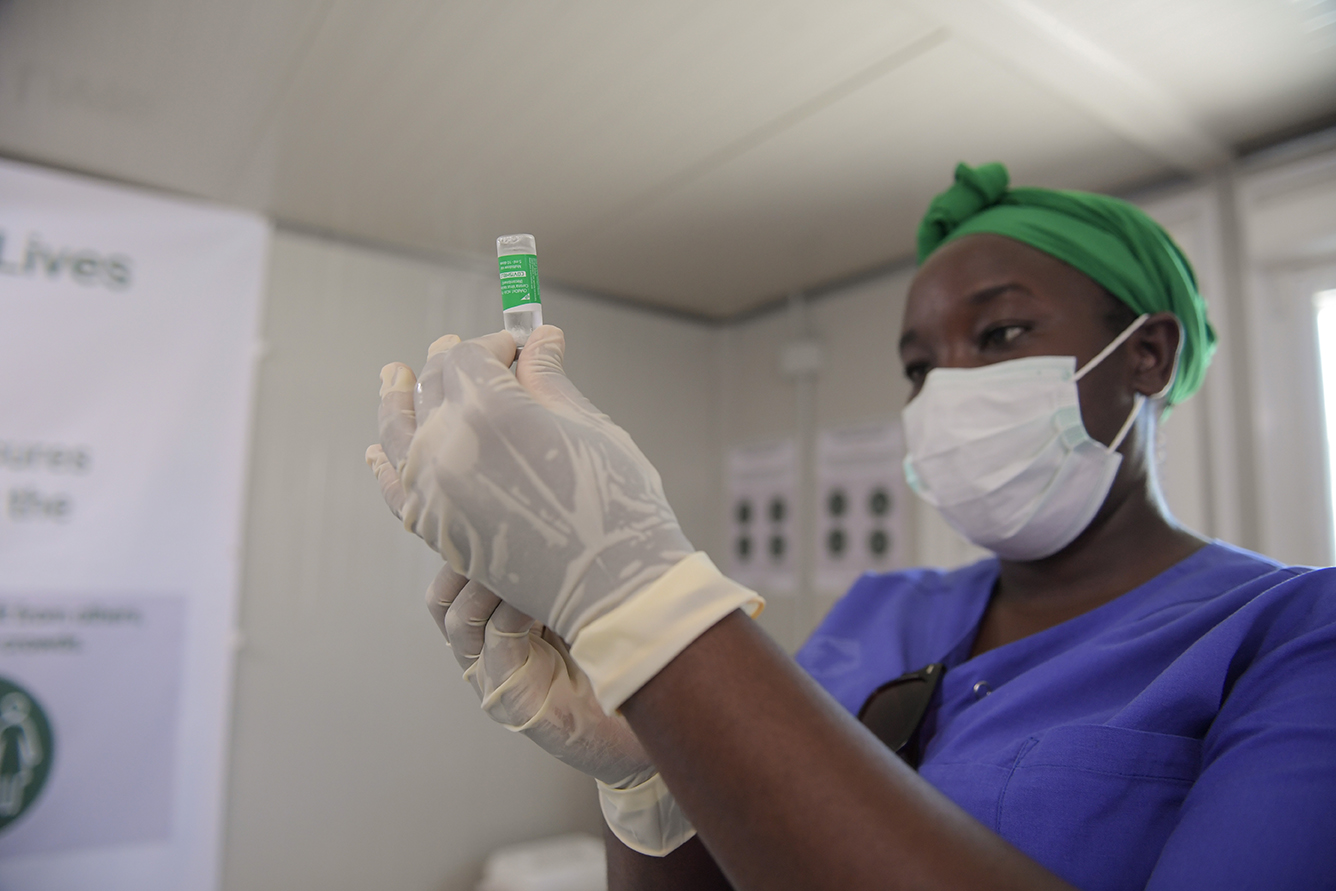
Global pharma giant Merck & Co., Inc on Thursday said it has tied-up with non-profit organisation PATH to conduct clinical studies of Merck's investigational rotavirus vaccine, ROTATEQ, in Asia and Africa.The clinical trial sites will be identified in the next six months, with a goal of starting at least one trial by the end of 2006, the company said in a release.Merck and PATH to Collaborate on Rotavirus Vaccine Clinical Trials in Africa and Asia; Nearly 500,000 Children Worldwide Die Every Year as a Result of Rotavirus Infection12/7/2005 11:00:00 PM ESTMerck & Co., Inc. and PATH today announced that the two organizations will work together to conduct clinical studies of Merck's investigational rotavirus vaccine, ROTATEQ(TM) (rotavirus vaccine, live, oral, pentavalent), in some of the world's developing nations. The trials are one step in the process of making a rotavirus vaccine available in these regions as quickly as possible. The announcement was made at the Global Alliance for Vaccines and Immunization (GAVI) partners meeting.Rotavirus is the most common cause of severe dehydrating diarrhea in infants and young children. Among children under five, it has been estimated to be responsible for an estimated two million hospitalizations, 500,000 deaths and more than 25 million clinic visits worldwide each year.Clinical trial sites will be identified in Africa and Asia over the next six months, with a goal of starting at least one trial by the end of 2006. Efficacy studies of ROTATEQ will be conducted in regions of the world where it has not been studied before and where factors including poor nutrition and the presence of various intestinal bacteria or viruses might play a role in the response to the vaccine. The studies also will assess how ROTATEQ fits into the range of childhood vaccine schedules used in different countries."Although rotavirus infection is as common in developed countries as it is in developing nations, most of the children who die from the effects of rotavirus live in countries where emergency medical care, such as intravenous rehydration, is often less readily available," said, Adel A.F. Mahmoud, M.D., Ph.D., chief medical advisor, Vaccines and Infectious Diseases, Merck & Co., Inc. "Merck is as committed to identifying innovative ways to bring our vaccines to children in the developing world as we are to developing the innovative vaccines themselves.""We are pleased to partner with Merck on this important initiative and it is our hope that demonstrating the impact of rotavirus vaccines in developing countries will ultimately reduce the potentially serious effects of this disease on children," said John Wecker, Ph.D., director of PATH's Rotavirus Vaccine Program. "By pooling our collective strengths, we seek to address one of the most serious public health problems affecting infants and young children worldwide."Global Burden of RotavirusThe incidence of rotavirus infection is similar in both industrialized and developing countries, suggesting that a decrease in infection cannot be affected by improvements in hygiene or sanitation. Nearly every child around the world will have a rotavirus infection in their early childhood - many more than once. Life-saving intravenous treatments to rehydrate children with severe rotavirus diarrhea are often unavailable to many of the developing world's 575 million children under age five.The highest rates of disease are typically in children under two years of age, who are also at the greatest risk for severe rotavirus disease. There are several different serotypes of rotavirus and the prevalence of these serotypes varies by geographic region.About ROTATEQROTATEQ is Merck's investigational vaccine to protect against rotavirus gastroenteritis. ROTATEQ is an oral, liquid vaccine that contains five rotavirus strains - G1, G2, G3, G4 and P1. These serotypes cause most rotavirus disease worldwide. Merck has submitted an application for licensure of ROTATEQ in more than 50 countries worldwide, including the United States and the European Union.About PATHPATH is an international, nonprofit organization that creates sustainable, culturally relevant solutions, enabling communities worldwide to break longstanding cycles of poor health. By collaborating with diverse public- and private-sector partners, PATH helps provide appropriate health technologies and vital strategies that change the way people think and act. PATH's work improves global health and well-being.With funding from the GAVI and the Vaccine Fund, PATH established the Rotavirus Vaccine Program (RVP) in 2003. Along with its strategic partners, the World Health Organization (WHO) and the U.S. Centers for Disease Control and Prevention (CDC), RVP is testing and developing a new model for accelerated vaccine introduction. By demonstrating to governments the impact of the disease and the promise of a vaccine, RVP will help countries make informed decisions about the use of rotavirus vaccines. At the same time, RVP is working with Merck & Co., Inc. and other manufacturers to establish a consistent supply of rotavirus vaccine to meet the demand for these vaccines.For more information about PATH, please visit www.path.org. For information about PATH's Rotavirus Vaccine Program, please visit www.rotavirusvaccine.org.