Since 2022, mpox has triggered two public health emergencies of international concern, with sustained transmission across Africa and beyond. We conducted a modelling study to assess the cost-effectiveness of routine mpox vaccination in endemic African provinces as a strategy to reduce disease transmission and strengthen pandemic prevention and response.
Although mpox imposes a substantially lower disease burden than malaria, tuberculosis, or diarrheal disease in the Democratic Republic of the Congo (DRC), routine mpox vaccination would still be health-positive for more than half of the DRC population (53.5 million people), including 23.2 million children.
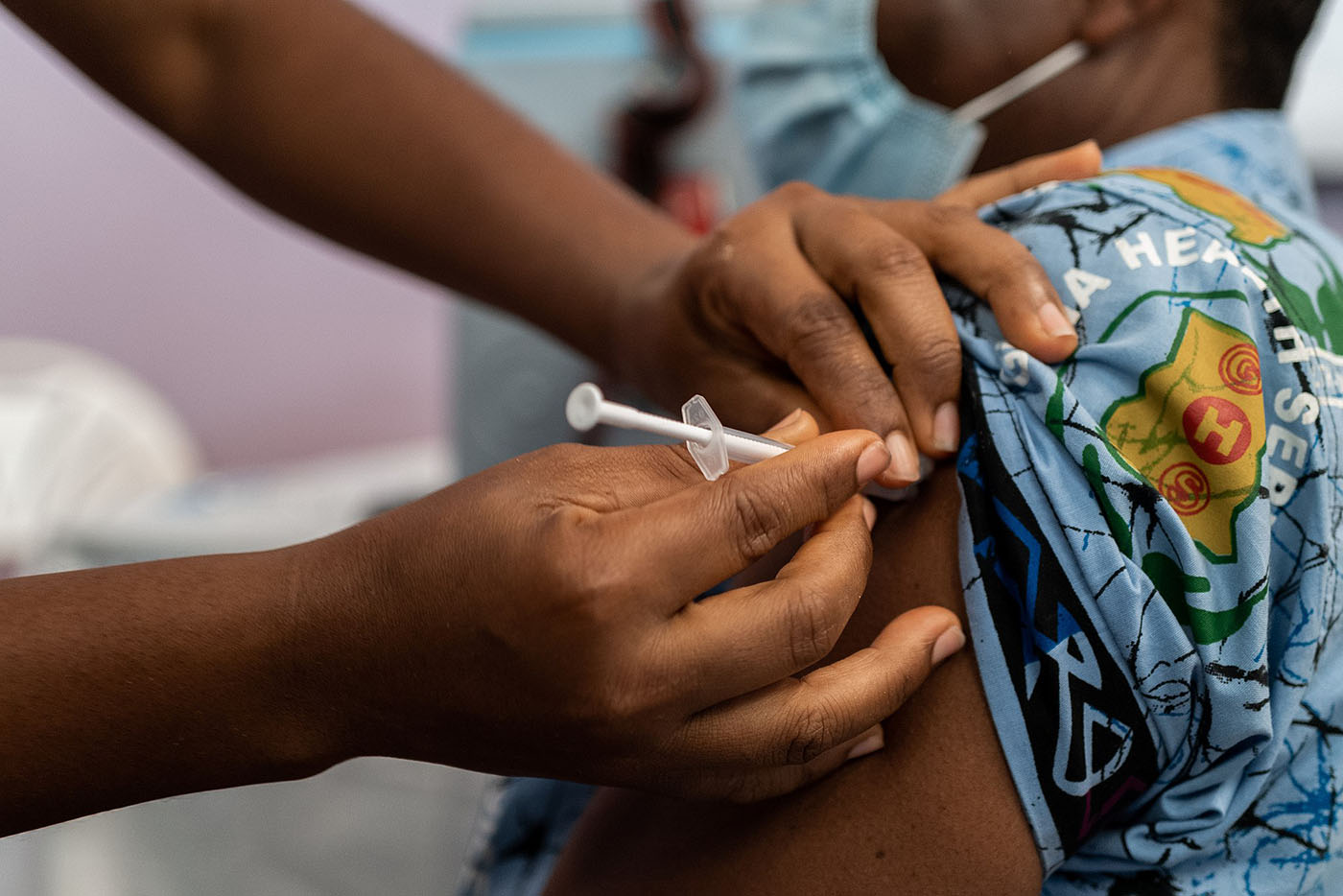
From a local health benefits perspective, routine vaccination of children aged 0–9 years may be cost-effective at $10 per dose compared with no vaccination in the two highest-burden provinces of the DRC. From a global healthcare payer perspective, routine vaccination of 8.5 million children aged 0–9 years in endemic regions of the DRC over a 10-year period—at an estimated cost of $203 million—could reduce the probability and size of mpox pandemics outside Africa—yielding an return on investment exceeding 3:1, even if the vaccine is used considerably past the point of local cost-effectiveness. However, under current budget constraints, additional donor financing would be required to realize these benefits for global pandemic prevention.
We recommend: (1) expanding data on mpox vaccine efficacy and epidemiology; (2) advancing realistic financing strategies that account for trade-offs; (3) assessing routine vaccination for other high-risk pathogens; and (4) convening partners to assess the development of combination vaccines for mpox and other pathogens.