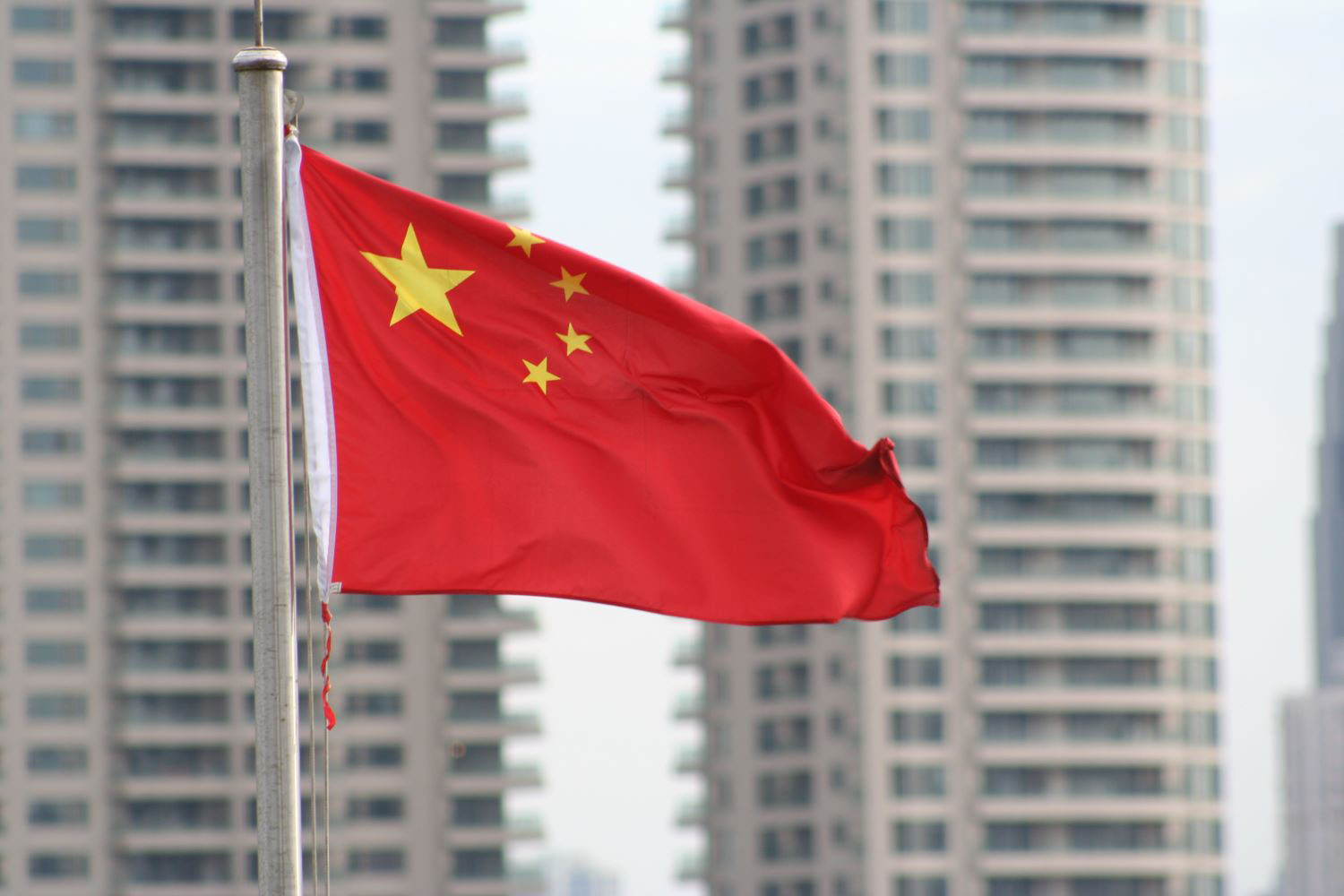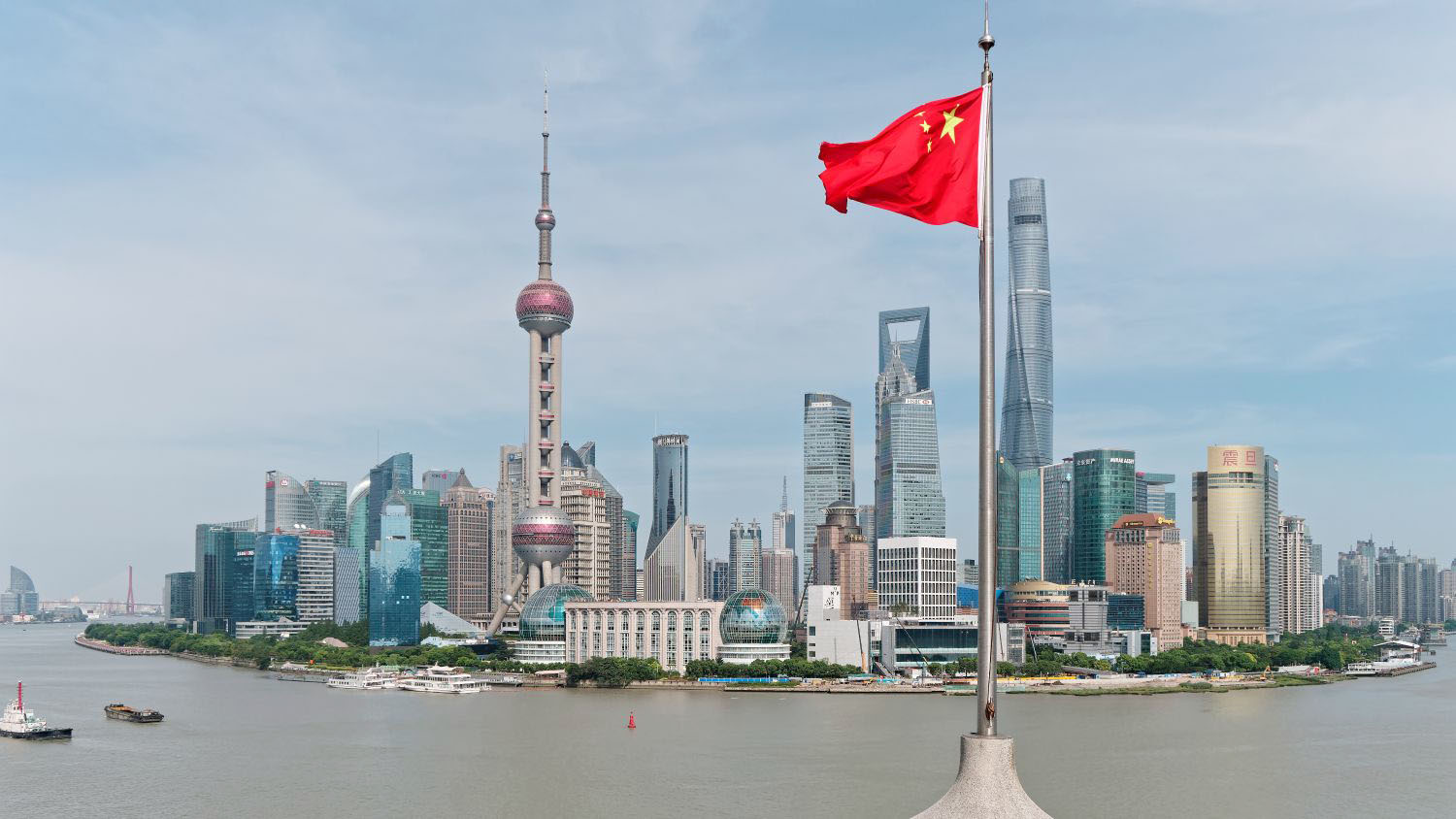
In August last year, I made a modest proposal to China’s Minister of Finance regarding IDA, the soft lending arm of the World Bank that works with the poorest countries. I suggested China might want to become an equal IDA shareholder to the US. While Beijing did increase its contribution in the subsequent funding round, the step up was somewhat less than I’d hoped: to about $1.5 billion. But there’s an opportunity for a (more) modest further increase in China’s IDA pledge late in the day, one that would have a positive development impact and outsized global diplomatic effect: replacing the shortfall between US and UK IDA pledges and contributions.
The Biden administration pledged $4 billion to IDA. While the Trump administration surprised on the upside in its IDA funding request to Congress, it still cut requested contributions by $800 million to $3.2 billion. The UK is considering an undetermined cut from its pledge of $2.5 billion. Given IDA relies on a global negotiation of contributions and an implicit understanding of mutual support toward greater pledges, reneging on those pledges does damage to the integrity of the process. Reduced donor support either means a smaller IDA or (perhaps worse) a lower-quality IDA.
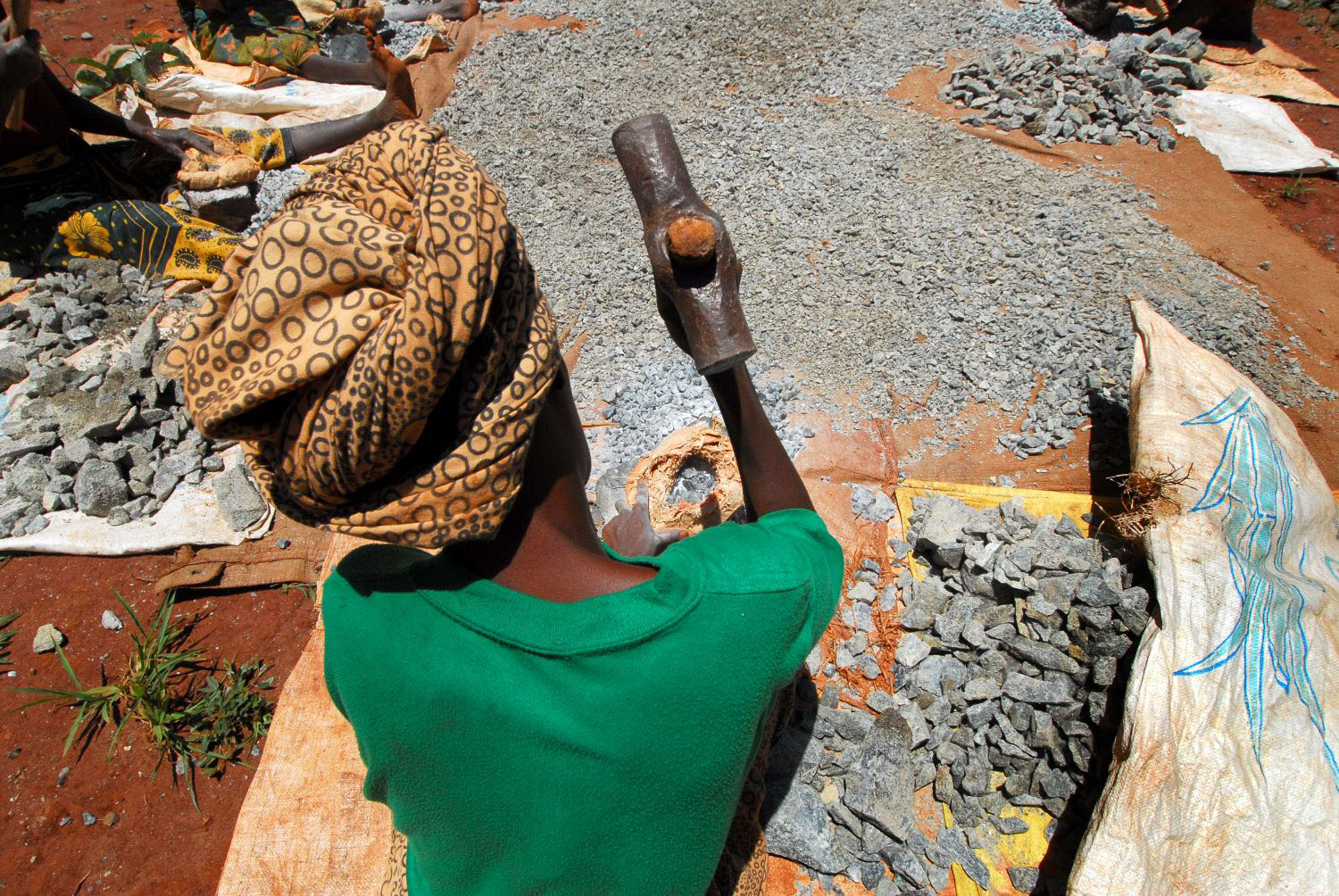
That’s to say nothing of the fact the money is really needed. Many IDA countries are debt distressed, and cheap external finance is more vital than ever. Meanwhile, in both the US and UK cases, the pledge reductions are part of a deeper planned retrenchment of official development assistance (ODA) that may leave their budgets at a fraction of the levels of a couple of years ago. By 2027, the US cuts might amount to more than 0.1 percent of its GNI from 2020, the UK cuts to 0.4 percent of its GNI.
Of course, that’s not the only reason both the US and UK are both losing credibility in the international economic arena. The US is implementing damaging (and volatile) tariffs while proposing migration restrictions for most of the world’s poorest countries. The UK is rolling over to do bilateral trade deals with the US rather than fighting for the multilateral trade principles that protect the poorest countries in particular, while seemingly embracing nativism as part of its own pitch around reduced immigration.
Alongside China’s recent announcement of a zero-tariff policy for least developed countries, and despite issues with debt and future development financing, this all leaves Beijing looking comparatively reliable in terms of international economic and development partnership. And for a bargain price of (likely) less than $2 billion, China could ram that point home by promising to make up the US/UK IDA shortfall. Much though it would be better if the original donors didn’t renege, at least this would mean poor countries don’t bear further costs from the Anglo-American retreat from global cooperation.
Topics
DISCLAIMER & PERMISSIONS
CGD's publications reflect the views of the authors, drawing on prior research and experience in their areas of expertise. CGD is a nonpartisan, independent organization and does not take institutional positions. You may use and disseminate CGD's publications under these conditions.
Thumbnail image by: Atosan/ Adobe Stock