Recommended
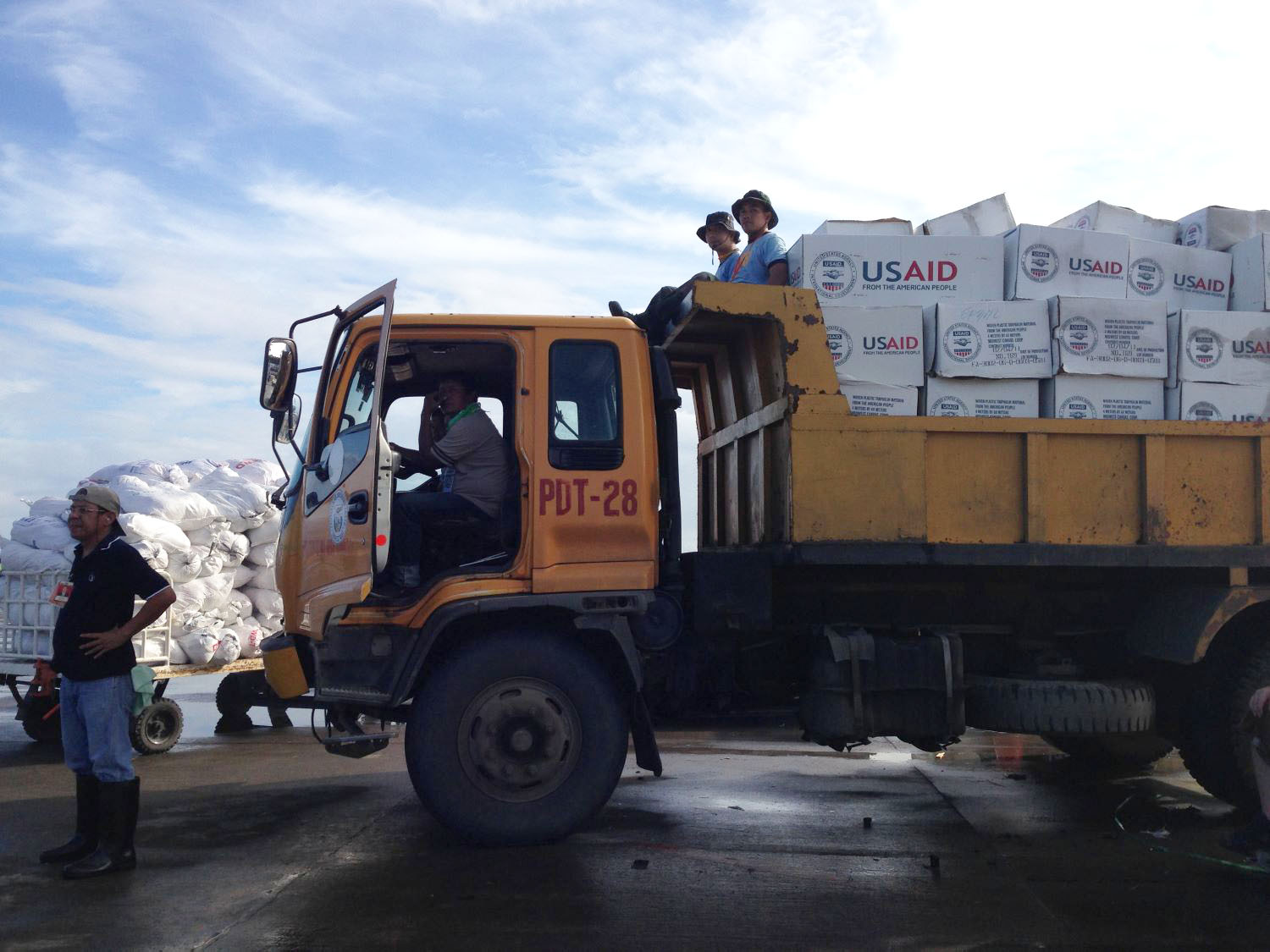
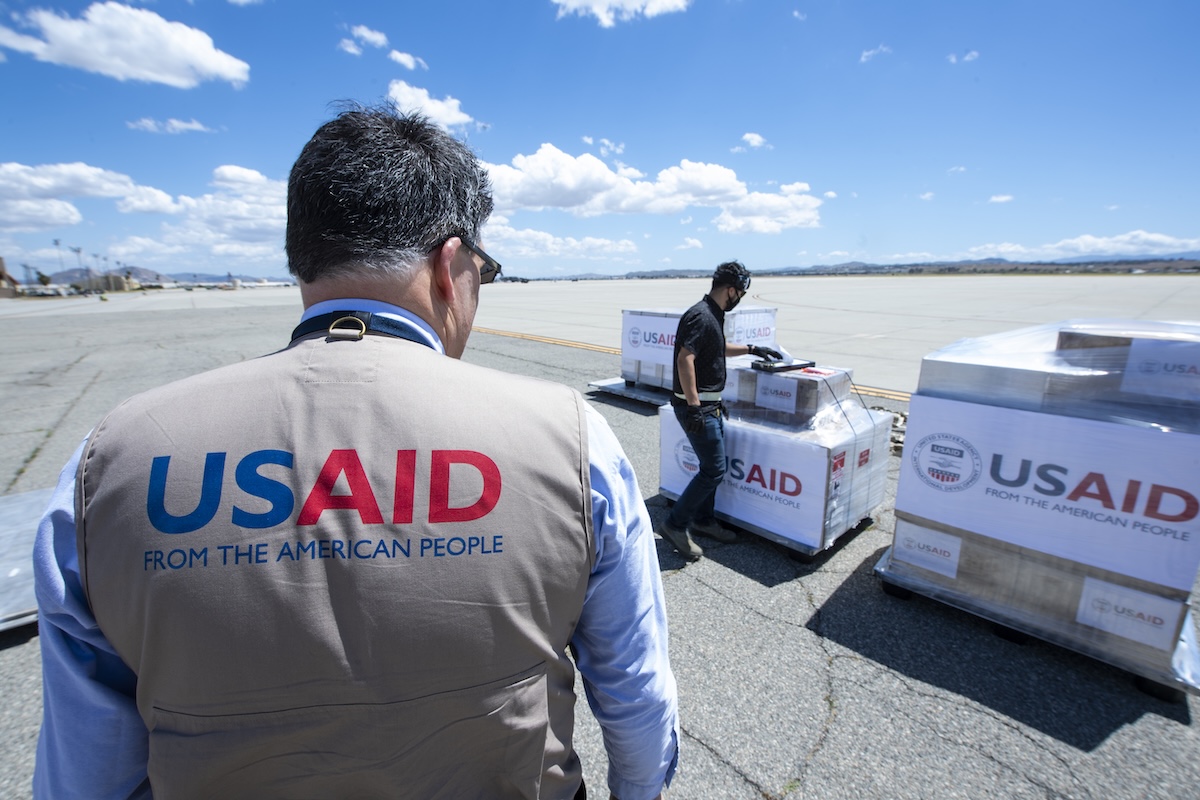
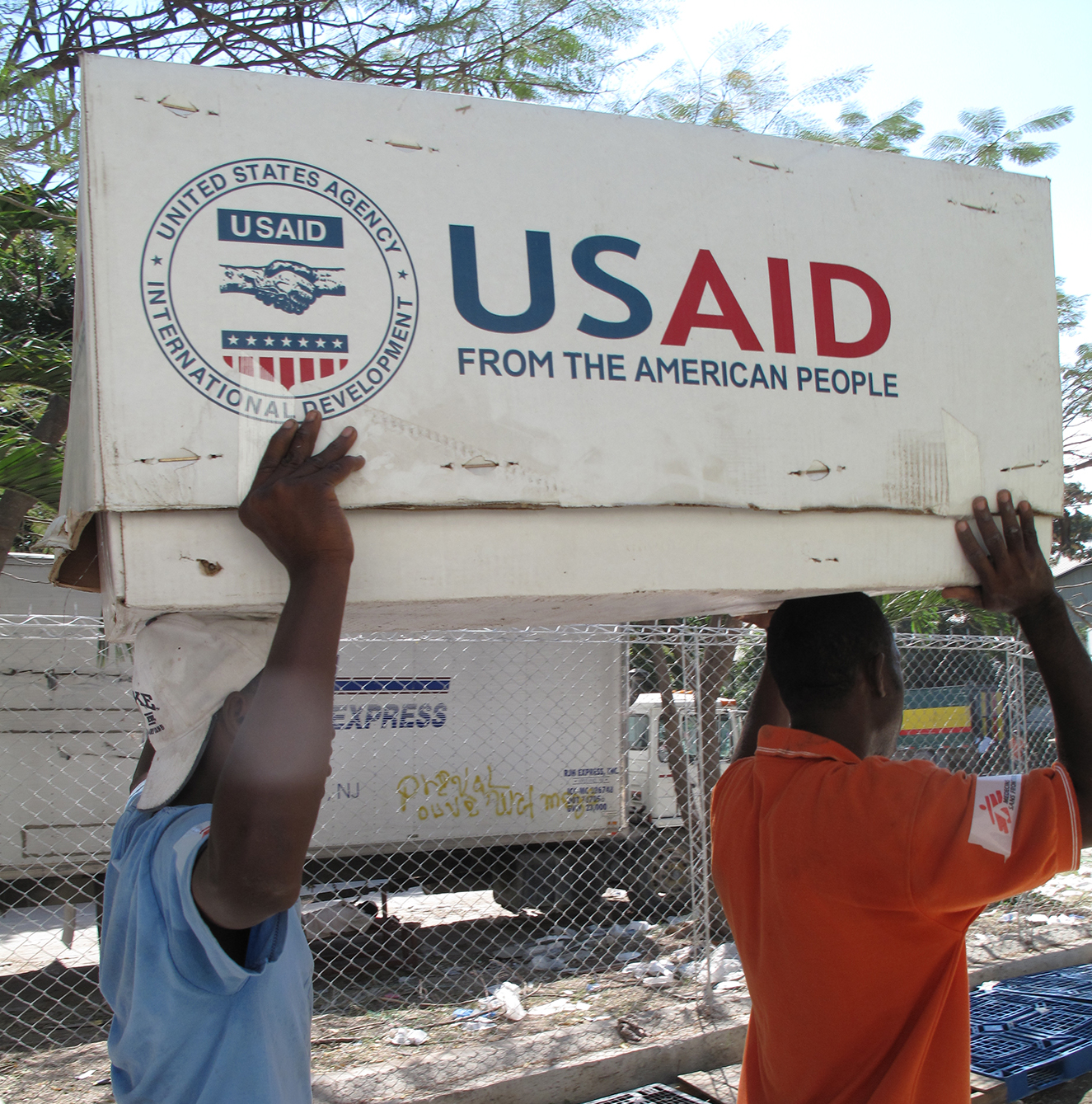
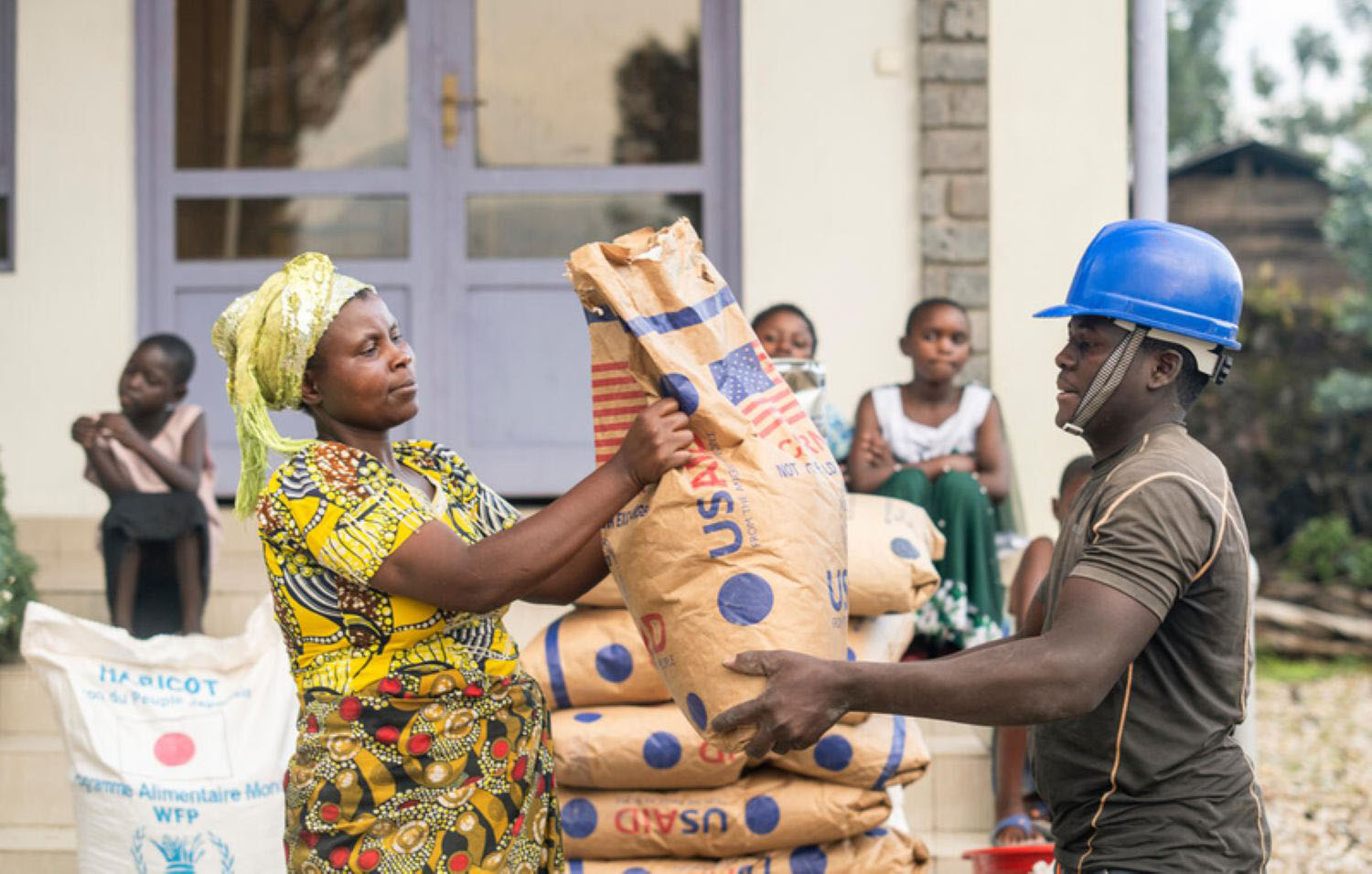
Historically, USAID has been the major international donor of essential medical supplies for the diagnosis, treatment, and prevention of HIV, tuberculosis, and malaria. Following cuts to USAID, reports have profiled children who died after losing access to food or essential medicines: our colleagues estimated that every day without US foreign assistance risks 9000 lives which would otherwise have been saved. Other donors, philanthropies, and countries are now scrambling to fill the gap. However, they are hampered by a lack of clarity on exactly what support USAID was providing, and what needs replacing.
To support such decisions, a new CGD Note published today rapidly reviews the scale and scope of US supply chain support, and the implications of the cuts for access to lifesaving commodities. We find that the cuts are deep, wide in scope, and fast—which, combined with over-reliance on Washington-based staff, makes them especially difficult for low- and middle-income countries (LMICs) to effectively respond to.
Whilst the long-term solution is a fundamental shift towards more sustainable, country-led supply chains, we propose three immediate actions that donors can take to mitigate the risks: urgently provide technical assistance to support health financing and supply chain transition planning; proactively engage the private sector to steward gap-filling opportunities; and rapidly collate existing knowledge to avoid the loss of globally-relevant insights from decades of USAID programming.
1. Too deep to fill
Firstly, the scale of the cuts to supply chain aid make it infeasible for other funders or domestic governments to fully replace it. In 2024, the Global Health Supply Chain-Procurement and Supply Management (GHSC-PSM) project spent $1.15 billion on donated commodities and technical assistance. This covered HIV (71.1 percent); malaria (20.3 percent); family planning (7 percent); and maternal, neonatal, and child health (1.5 percent), and spanned 73 countries worldwide. Table 1 shows the top ten country recipients.
Table 1. Top country recipients of USAID supply chain funding (averaged FY2023 disbursement and FY2024 obligation)
| Country | USAID supply chain funding (FY2023/24 average, millions USD) |
|---|---|
| Nigeria | 117.4 |
| Tanzania | 96.2 |
| Zambia | 83.9 |
| Mozambique | 73.7 |
| DR Congo | 71.7 |
| Kenya | 67.0 |
| Zimbabwe | 36.2 |
| Ethiopia | 25.2 |
| Haiti | 23.7 |
| Uganda | 22.8 |
For nine countries, US supply chain aid was equivalent to over 10 percent of their domestic government health expenditure. Of these nine, eight are either low-income and/or in or at high risk of debt distress, meaning they have very limited capacity to replace the funding with domestic resources.
Figure 1. USAID supply chain funding as percentage of domestic general government health expenditure
Note: Haiti received the equivalent of 37 percent of their 2022 domestic general government health expenditure in USAID supply chain funding
2. Wide scope of the cuts
Secondly, the wide scope of US support across supply chain functions impedes countries’ ability to transition to independent domestic systems. This is further exacerbated by the fact that support across most functions has been delivered off-budget and through Washington-based staff, mandated to execute activities in line with US government regulations and accountability requirements, rather than through local government systems (Figure 2). As US supply chain programmes expanded over the last thirty years, so has reliance on contract support. At the planning stage, we found that countries rely on Washington-based staff for market intelligence and collaborate closely on product selection and forecasting demand. Countries are especially reliant on Washington-based staff at the procurement stages, as USAID can leverage pooled procurement and purchasing power to negotiate advantageous prices. While local staff have more of a role in the delivery stages of supply chain management, they are nonetheless very reliant on technical assistance from USAID. Throughout the full process, countries also rely on USAID project support for cross-cutting areas such as contract performance management, logistics management information systems (LMIS), and human resources.
Figure 2. US government support by supply chain phase
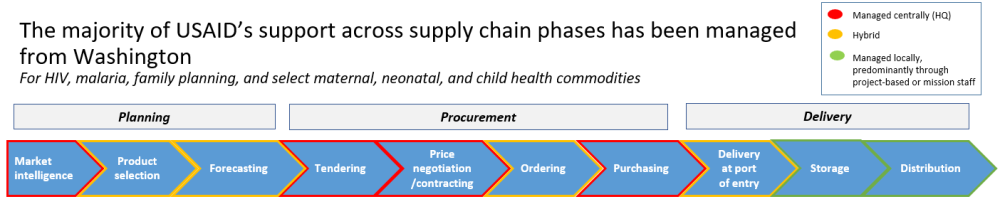
Countries looking to replace USAID support will therefore need to repatriate many of these diverse functions from Washington. However, the over-reliance on US support means that local governments often don’t have visibility over all supply chain functions, nor awareness of the full cost of activities that USAID has been supporting. This lack of visibility, combined with the sheer number of processes for which countries are dependent on USAID, makes it challenging for domestic systems to rapidly take on all USAID’s roles.
3. Fast and chaotic cuts
Thirdly, the speed and chaotic nature of the cuts makes it near impossible for countries to react effectively and strategically. Over 100 days on from the initial funding freeze, there is still uncertainty over precisely which programmes have been cut. Even where there is clarity, the immediate cessation of USAID activities is still problematic, as neither the government nor the private sector has had time to make plans and step in. The impact has already been felt across many disease areas: by April, 65 percent of National Tuberculosis Programs in Africa reported negative impacts; nearly 30 percent of malaria chemoprevention campaigns to protect 58 million children are off-track; and by 1st June, over 60,000 people were estimated to have died due to disrupted HIV treatment after the suspension of PEPFAR. Worryingly, these disruptions might represent just the tip of the iceberg: since procurement processes can take many months, we might not yet be aware of the true risks of stockouts—and by the time they become apparent, it will be too late to prevent them from occurring.
Moreover, the non-strategic nature of the cuts may mean that any surviving programmes are less efficient and lower quality. For example, even if some commodity funding remains, firings of USAID staff and cuts to technical assistance programmes will leave a void for overseeing and troubleshooting supply chain programmes, and so impede the distribution and delivery of these commodities.
Recommendations
With crisis comes opportunity—to build stronger, more resilient supply chains. We propose three immediate actions which donors and other partners should take to mitigate the impact of USAID cuts.
- Urgently respond to country requests for technical assistance to adapt financing, procurement, and supply chain management plans. For example, countries may need support to review options for emergency allocation of domestic financing to cover key gaps or to revise insurance schemes and health benefit packages. Countries may also need support with processes which were previously Washington-led—such as priority-setting, product selection, demand forecasting, and inventory management.
- Engage the private sector to respond to gaps where they have the capacity to do so. For example, local leaders could collaborate with private-sector entities to forecast demand and predict gaps—information which could encourage engagement and investment.
- Collect existing cross-country knowledge and best practices from recent USAID implementing partners. Information on best practice for forecasting, LMIS, supervision, warehousing, and distribution should be documented and gathered to create a practical and usable body of knowledge for country policymakers and anyone looking to support supply chain strengthening interventions. This should also cover successes and challenges of countries who have transitioned from US aid.
Of course, it is not inevitable that the drastic slashing of USAID programming will come to fruition. It is still possible (and we hope!) that the administration will shift course—potentially with encouragement from Capitol Hill. However, if the cuts do come to pass, these immediate steps would help other funders and LMICs to mitigate the potentially catastrophic impacts.
Either way, in the longer term, country policymakers and donors will need to work together to develop more sustainable and locally-managed supply chains, as well as shifting to new models of aid that are more resilient to donor volatility.
Topics
DISCLAIMER & PERMISSIONS
CGD's publications reflect the views of the authors, drawing on prior research and experience in their areas of expertise. CGD is a nonpartisan, independent organization and does not take institutional positions. You may use and disseminate CGD's publications under these conditions.
Thumbnail image by: USAID/ Flickr