Recommended
School meals now reach more children than any other social program in history, but sustaining the progress in low- and middle-income countries will require new evidence and smarter solutions.
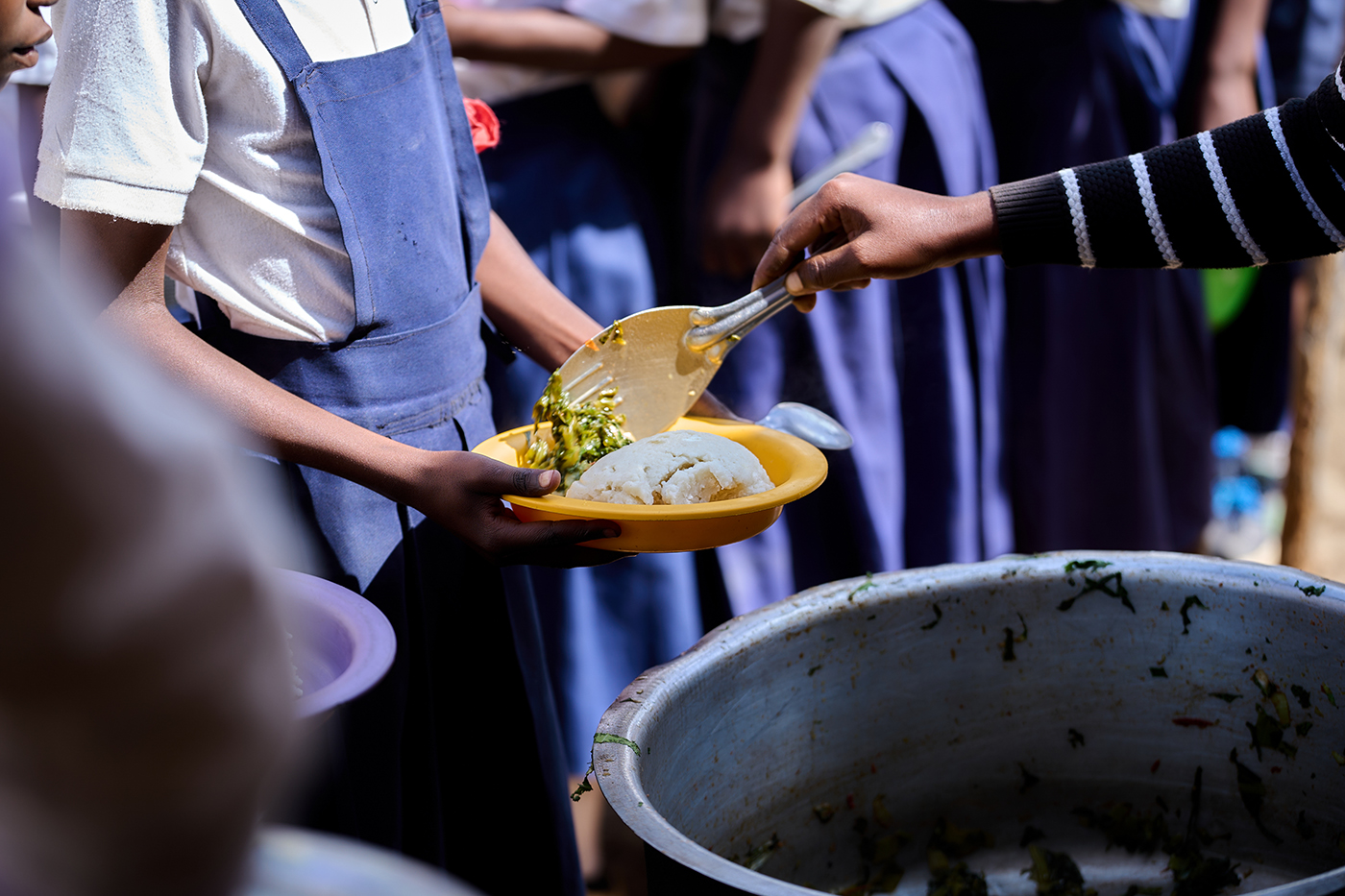
While investment in international development languishes, global support for the health and well-being of schoolchildren and adolescents has surged. School health and nutrition programs have become the world’s largest social safety net and a near-ubiquitous, government-led solution to sustaining the wellbeing of young people. Increasingly, they are emerging as the essential counterpart to free, compulsory, universal education.
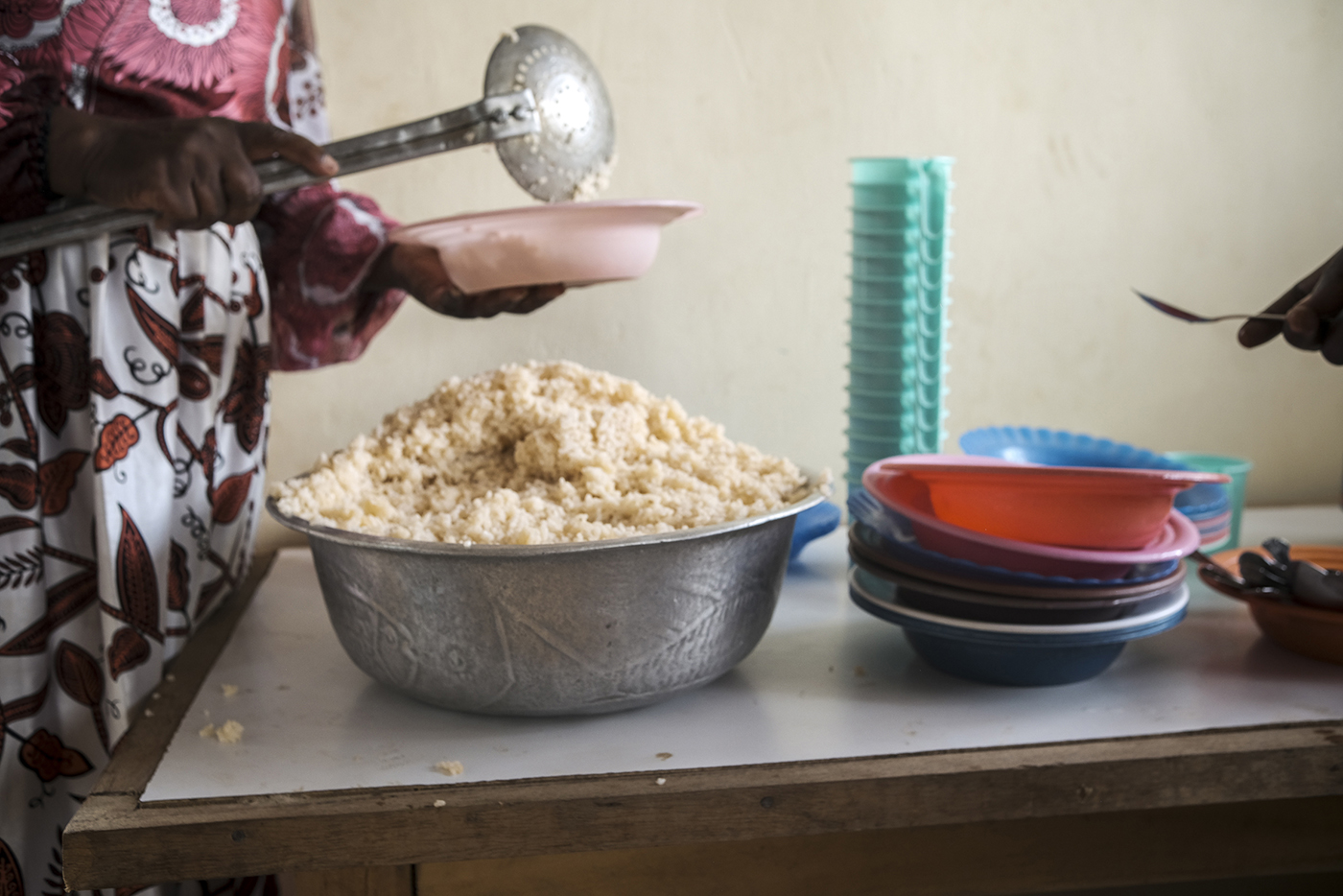
This week, the 109 member countries of the School Meals Coalition, created by the countries themselves in response to the massive disruption caused by COVID-19 school closures, will meet in Fortaleza, Brazil, to reflect on lessons learned since the founding of the Coalition in 2021. A new report launched this week by the UN World Food Programme, The State of School Feeding Worldwide, shows that school meals are now provided daily to 466 million children globally, an increase of 80 million since the pandemic.
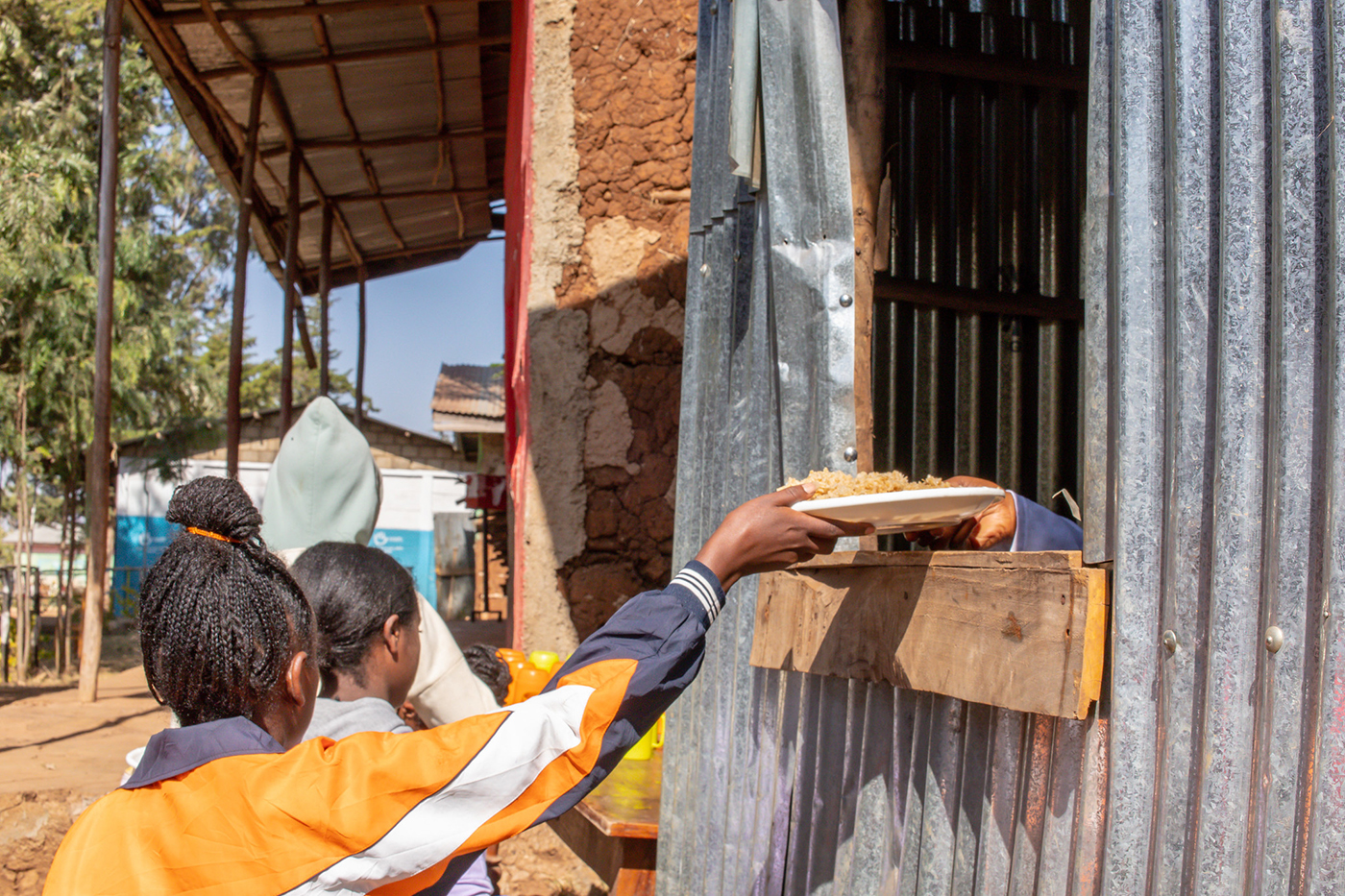
The African continent has experienced the greatest gains, with nearly 20 million more children covered. Over the last two years, Ethiopia, Kenya, Madagascar, and Rwanda have expanded their coverage between 1.5- and 6-fold, and the two largest programs, in Nigeria and South Africa, each now target some 10 million children daily. Several countries have launched national school meal programs for the first time, including Canada, Indonesia, and Ukraine. Global investment in school meals programs stands at US$84 billion annually, with 99 percent coming from domestic budgets.
On the eve of this summit, the pressing questions are: how can governments and donors ensure these programs continue to deliver at scale? And how can the research community best support the next phase of the global effort to reach more children with nutritious school meals?
From charity to public policy
The transformation of school meals from welfare and humanitarian interventions to long-term public policy is one of the quiet revolutions in global development. What was once viewed as a temporary relief measure is now entrenched in national systems, backed by legislation, budget lines, and institutional frameworks.
In countries like India, school meals are a constitutionally protected right. In others, they are embedded in national nutrition and education strategies, delivered through ministries rather than aid agencies. This institutionalization reflects strong political commitment. For most low- and middle-income countries, school meal programs are no longer pilots; they are public goods—like roads or clinics.
These domestically funded programs use different modalities. The two largest national programs in the world, in India and Brazil (where more than 100 million and 40 million children respectively are fed daily) are free and universal, as are two of the oldest success stories in Finland and Sweden. The third largest program, in China, is based on what Sir Michael Marmot terms “proportionate universalism,” and aims to be free to all in need. This is a model that is also pursued in Japan, most of the 26 countries implementing the European Union Child Guarantee, and the latest manifestation of the UK national program.
Multiple wins on one plate
Governments support school meals not for a single purpose, but because they deliver wide-ranging benefits across education, health, and social protection. The current cost-benefit evidence shows that every dollar invested can generate US$7–$35 in returns.
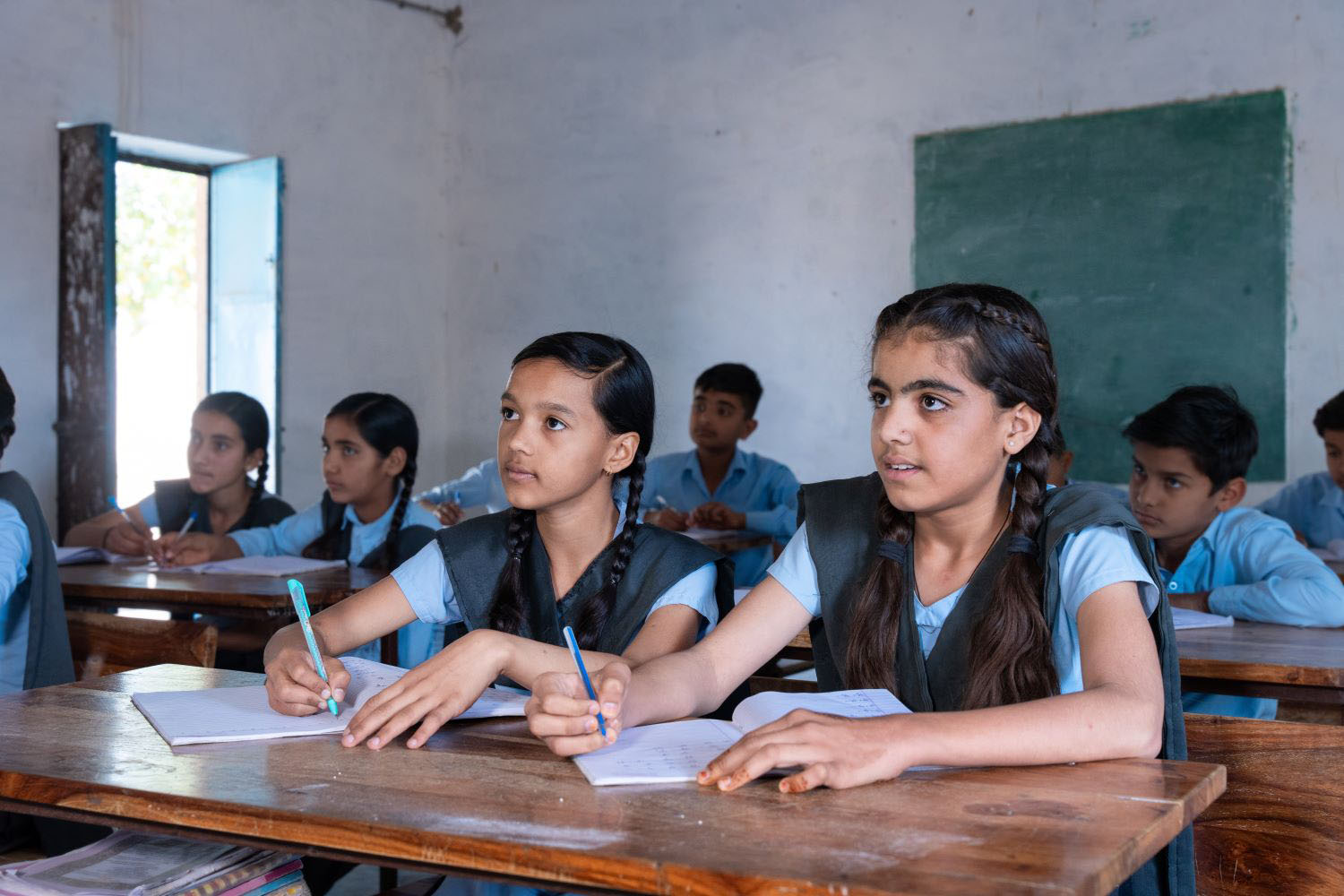
School meals have the potential to support student learning by boosting enrollment and attendance, as well as improving concentration in lessons—often rivaling other education investments in cost-effectiveness. They also support child development during the “next 7,000 days,” a critical but under-researched stage when nutrition shapes brain development and long-term health outcomes.
By improving daily diets, school meals can help reduce reliance on ultra-processed foods and prevent obesity and noncommunicable diseases. These long-term outcomes are particularly important because cardiometabolic disease in later life is the main cause of mortality in most countries, and its management is often the largest cost to the health sector.
Beyond the classroom, school meals serve as the world’s largest safety net, reaching more children than any other social program and disproportionately benefiting the poorest households. They can strengthen local economies through home-grown procurement, which creates reliable markets for smallholder farmers and can particularly empower women. In low-income settings, a meal at school can be the decisive factor in keeping girls in education, with ripple effects on maternal health and intergenerational outcomes.
Investment in school meals also has climate implications, as climate-smart menus and local sourcing can dramatically cut food system emissions and position school meals as a powerful lever for greener and more sustainable food systems. By providing children with models of sustainable and healthy eating at school, supported by food education, these programs offer an opportunity to change children’s relationship with food and help develop lifelong dietary preferences that promote both personal and planetary health.
Preserving fragile gains in a volatile world
Despite the progress of the last few decades, the gains in many lower-income countries remain fragile. Half of the programs in low- and lower-middle-income countries report insufficient funding to meet their targets, while 63 percent receive funding below the cost of a healthy lunch in their respective countries. Chronic underfunding often translates into insufficient quantities, irregular provision, and low-quality meals. This reduces effectiveness and can erode public trust and political backing.
Meanwhile, external shocks such as food price inflation, climate-related disasters, conflict, and fiscal crises can quickly unravel years of effort. When budgets tighten and price levels rise, school meal programs often see their allocation eroded by inflation, even though they remain one of the most politically visible and socially valued services.
This fragility calls for new thinking around sustainability. The next frontier in the global expansion of school meals will be defined by the quest for practical and evidence-based solutions to the financing and operational challenges. This is what will truly solidify the transformation of school meals from donor-driven humanitarian programs into permanent levers of national human development and social protection policies.
Leveraging economic evidence to sustain progress
We present a sample of policy-relevant economic research questions in Box 1, drawn from our research and engagement with policymakers, that are likely to shape the next-generation evidence agenda for the global school meals community. Sustaining progress will require that evidence keeps pace with governments’ ambitions and practical challenges.
Box 1. Next-Generation Evidence Agenda for Sustainable and Resilient School Meal Programs
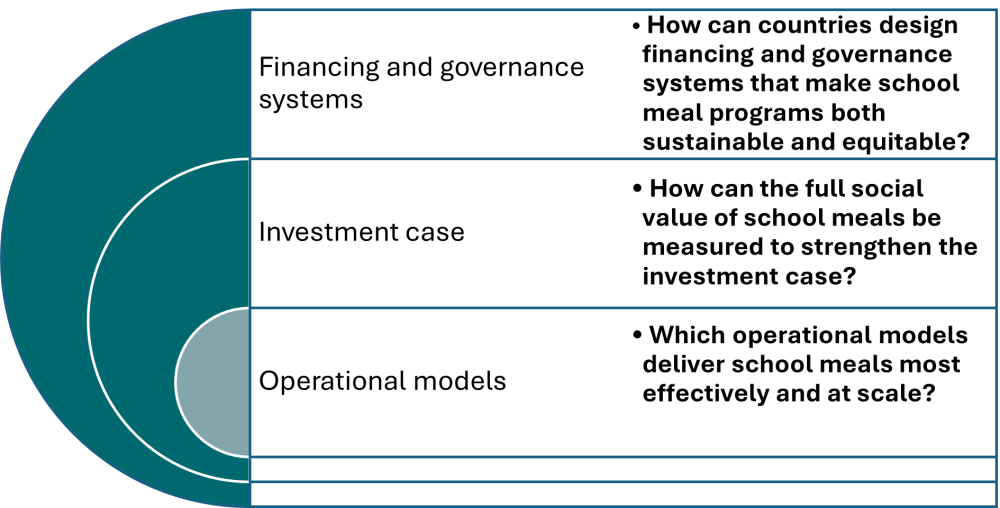
How can countries design financing and governance systems that make school meal programs both sustainable and equitable?
Sustaining school meal programs requires broadening the funding base, but the challenge is how to do so without undermining equity. In certain contexts, this might involve designing an acceptable mechanism for parents and local governments to share responsibility without putting undue pressure on vulnerable groups. Tackling the financing challenge effectively may also require governance structures that overcome sectoral silos and align education, health, agriculture, and social protection goals. At the global level, donors may need to grapple with how best to catalyze national government efforts to expand school meals while helping countries protect gains against shocks.
How can the full social value of school meals be measured to strengthen the investment case?
While there is broad consensus that school meals provide benefits beyond nutrition, a longstanding analytical gap remains in capturing their wider social value, such as supporting working parents, complementing broader education reforms, and reducing vulnerability to shocks. Such analysis could help clarify the role of school meals within the wider landscape of human development and social protection policies targeting children and their families.
Which operational models deliver school meals most effectively and at scale?
While there cannot be a single optimal model for delivering school meals across the diverse national and local contexts of countries seeking to expand access, research can help identify which models optimize performance and equity in different settings. In particular, studies could examine the factors behind the success of countries that have achieved nationwide coverage at relatively low cost while maintaining reasonably good quality.
Building this evidence base will inevitably require cross-country partnerships. The tools developed and lessons generated can serve as global public goods, applicable to many programs in low- and middle-income countries regardless of their size or stage of development. This means global investment in high-quality comparative data and case studies would allow countries to benchmark performance and adopt innovative practices. Importantly, global evidence on sustainable financing models, together with reliable cost-benefit analyses that capture the full social returns of school meals, can help governments and donors make better-informed investment decisions. By making the economic case clearer, such evidence can also strengthen political commitment and protect programs in times of fiscal stress.
The current momentum behind the expansion of school meals is unlikely to be sustained without matching investment in knowledge production. Generating rigorous evidence on these next-generation questions and converting it into feasible solutions will be important to turn today’s fragile gains into durable and equitable school meal programs worldwide.
This blog post was updated on July 27, 2026.
Topics
DISCLAIMER & PERMISSIONS
CGD's publications reflect the views of the authors, drawing on prior research and experience in their areas of expertise. CGD is a nonpartisan, independent organization and does not take institutional positions. You may use and disseminate CGD's publications under these conditions.
Thumbnail image by: Millennium Promise / Flickr