Recommended
Blog Post
Barreling Blindly Ahead: The Seizure of Venezuela’s Oil
¿Puede recuperarse la economía de Venezuela?
Esta es la transcripción en español del podcast «Can Venezuela’s Economy Recover?», publicado originalmente en inglés el 21 de enero de 2026 y disponible aquí.
INTRODUCCIÓN
Estás escuchando el podcast de CGD, donde analizamos políticas para un mundo mejor. Cada episodio trata un tema de desarrollo, con investigadores de CGD y expertos del mundo. Sintoniza para ver cómo la investigación independiente puede traer prosperidad global.
DAVID
[00:00:47] Bienvenidos al podcast del Centro para el Desarrollo Global. Soy David Evans, director del Programa Global de Educación y Bienestar Infantil aquí en CGD. Hoy vamos a hablar sobre Venezuela y su futuro económico. Desde 2013, el ingreso per cápita de Venezuela ha caído al menos setenta por ciento, y en algunas estimaciones incluso más.
[00:01:10] Venezuela tiene la pobreza más alta de toda América Latina. A principios de 2026, el presidente Nicolás Maduro fue depuesto. El país se enfrente a una gran incertidumbre, pero una cosa está clara: Venezuela se encuentra en un punto de inflexión. ¿Qué le espera ahora a la economía venezolana? Tengo dos expertos aquí para ayudar a responderla hoy mismo.
[00:01:34] Dany Bahar es director del Programa de Migración y Desplazamiento de CGD. Dany creció en Venezuela, donde obtuvo su primer título universitario y ha publicado extensamente sobre los refugiados venezolanos. Bienvenido, Dany.
DANY
Gracias por invitarme, Dave.
DAVID
Liliana Rojas Suárez dirige la Iniciativa Latinoamericana de CGD y ha publicado sobre crisis financieras, especialmente en América Latina, y sobre el impacto del desarrollo de los flujos financieros globales.
[00:02:01] Bienvenida, Liliana.
LILIANA
Hola, Dave, gracias por invitarme.
DAVID
Gracias por estar aquí. No puedo imaginar a otras dos personas con quienes preferiría discutir esta pregunta. Comencemos con Dany. Creciste en Venezuela. Cuéntanos un poco sobre los cambios que has visto en Venezuela a lo largo de los años.
DANY
Venezuela es una historia muy triste: un país que una vez fue de los más ricos de América Latina y un imán para la inmigración.
[00:02:28] Venezuela recibió a mucha gente de todas partes del mundo: de Europa, España y de Italia. Mis propios abuelos, sobrevivientes del Holocausto, huyeron a Venezuela; fue el único país que les dejó entrar. También latinoamericanos que huían de dictaduras. Y lo digo porque demuestra que allí era un país creciendo en riqueza, muy diverso y próspero.
[00:02:48] Siempre recuerdo la imagen del aeropuerto de Caracas, con muchos aviones, incluido el Concorde de Air France. Es un país rico en petróleo. Durante los setenta, cuando el mundo vivió precios del petróleo al alza, Venezuela se volvió muy rica por el alto precio del crudo.
[00:03:09] Eso, por supuesto, plantea cuestiones sobre cómo manejarlo. Venezuela, que ya no es un país rico ni imán de inmigrantes, se volvió muy pobre, uno de los más pobres de la región, y generó la mayor crisis de refugiados del mundo hasta hoy. ¿Cómo ocurrió esto?
[00:03:27] Veinte, treinta años. Crecí en un país que tenía mucha desigualdad en los ochenta, pero seguía siendo un país rico y una democracia muy sólida. Durante cuatro años. En 1999, Ugo Chávez fue elegido. Es la misma persona que, unos años antes, estuvo en el ejército e intentó dar un golpe de Estado contra el gobierno democrático y fracasó.
[00:03:46] Pero luego se presentó a las elecciones y ganó. Y mientras estuvo en el poder, comenzaron reformas gradualmente y, muy lentamente, el país perdió su democracia. Esencialmente, muchas instituciones empezaron a desmoronarse gradualmente. Cada vez más poder se concentró en el Ejecutivo, y Chávez fue reelegido muchas veces.
[00:04:08] Cambiaron la Constitución, etcétera. Los primeros años de Chávez fueron buenos para la economía. Y la razón es que Chávez tuvo el mayor boom petrolero de Venezuela. El precio del crudo fue alto durante mucho tiempo.
[00:04:21] Entonces, ya sabes, hubo avances en reducir la pobreza y la desigualdad. Pero el precio del petróleo cayó en 2014, algo que afectó al mundo entero. En Venezuela, en particular, empezó a verse todo desmoronarse de forma rápida y progresiva. Porque el país dependía mucho de las importaciones y el sector privado tenía muchas regulaciones de controles de precios, así que no podía producir nada localmente.
[00:04:49] Y como el precio del petróleo fue muy alto durante años, el país obtuvo mucho dinero con las exportaciones. Ese dinero se usaba para comprar la mayor parte de las necesidades básicas mediante importaciones, pero cuando el precio del petróleo baja de golpe, ya no tienes esa cantidad de dinero para mantener el consumo. Y eso es lo que se vio.
[00:05:05] Se vio un colapso de la economía que empezó en 2014, cuando Maduro ya era presidente tras la muerte de Chávez. Eso inició una de las grandes crisis que hemos visto, que llevó al PIB a caer entre setenta y ochenta por ciento desde entonces, según estimaciones. Es una caída enorme del PIB en un país sin guerra, y todo ello fue causado por políticas equivocadas.
[00:05:27] Y luego eso también dio lugar a la mayor crisis de refugiados del mundo, como vimos. Es una historia realmente triste.
DAVID
Lo es. Es un colapso dramático. La pregunta que tengo es cuán única es esta situación al considerar la región, y en la historia económica reciente. Liliana, tienes mucha experiencia analizando crisis económicas y financieras.
[00:05:50] ¿Tenemos ejemplos de otros países latinoamericanos que hayan enfrentado crisis similares y que hayan logrado volver a un camino de estabilidad económica y crecimiento?
LILIANA
Bueno, de hecho, las condiciones económicas en Venezuela son extremadamente difíciles, y el país actualmente carece de un sendero hacia la estabilidad macroeconómica y hacia un crecimiento económico sostenido y duradero.
[00:06:12] Además, debo aclarar que la crisis de Venezuela es la peor crisis que ha vivido la región, tanto en términos de profundidad como de duración. No hay otra crisis en la región que haya sido tan prolongada y estructuralmente profunda. Por lo tanto, comparar exactamente con otros episodios de crisis no sería del todo correcto. Dicho esto, existen ejemplos en el mundo, y especialmente en América Latina, donde las condiciones económicas fueron desastrosas, pero se implementaron programas integrales que lograron estabilizar las economías y promover el crecimiento.
[00:06:52] La experiencia también indica que hubo varios errores importantes cometidos en los programas económicos pasados, y que estos podrían, a modo de ejemplos prácticos, ayudar y servir como evitables al planificar un programa económico para Venezuela. Quizás los mejores ejemplos de resolución de crisis son las experiencias de países latinoamericanos que se enfrentaron a episodios de hiperinflación y recesión en la década de los ochenta.
[00:07:18] Esta fue llamada la década perdida de América Latina, que incluyó, entre otros países, a Brasil, Bolivia, Chile, México y Perú.
Considera a Perú, mi país de origen. Perú pasó por un período de hiperinflación y recesiones en los ochenta, con impactos sociales duraderos. La caída del PIB fue de aproximadamente un 25%, y la pobreza superó el 60%. La desnutrición y las dificultades urbanas aumentaron significativamente.
[00:07:47] Aunque estos datos son menos trágicos que los de Venezuela, siguen reflejado una crisis extremadamente grande y profunda. Tal como Venezuela hoy, Perú también entró en cesación de pagos de su deuda externa y cortó relaciones con el FMI a finales de los años ochenta. Así que hay muchos paralelismos. Perú estableció un plan de estabilización en 1990, esto permitió restablecer el acceso del país a los mercados internacionales. Y como sabes, Perú es hoy una de las economías más estables de la región. Sin embargo, eso no quiere decir que el programa peruano fuera perfecto. Hubo problemas con la secuencia de las reformas de liberalización y con el apoyo suficiente a la protección social, que no tengo tiempo de discutir ahora; pero lo esencial es que, incluso frente a enormes distorsiones económicas, la estabilización y el camino hacia el crecimiento pueden recuperarse.
DAVID
[00:08:41] Así que, al menos, esto es una noticia algo alentadora, aunque no tengamos crisis tan profundas ni largas en la región. Sin embargo, sí tenemos una historia de crisis en la región y hay ejemplos en que los países han salido adelante; Perú logró una transformación notable. Por eso, antes de pensar en cómo podría ser un programa para Venezuela, quiero preguntar qué condiciones deben estar claramente presentes y en vigor para que un programa económico funcione.
[00:09:12] Liliana, al pensar en Perú o en otros países de la región que se han recuperado de crisis, ¿qué aprendemos sobre los elementos que deben estar en su lugar?
LILIANA
Bien. Cualquier programa orientado al crecimiento necesita inversión nueva. Eso es lo primero. No hay forma de que la actividad económica despegue si no hay inversión.
[00:09:33] Ahora bien, dada la profunda debilidad del sector público, las grandes inversiones públicas no son una opción en Venezuela. El país necesita inversión privada. Pero, al mismo tiempo, el sector privado local está muy deteriorado, por lo que Venezuela necesita inversión extranjera directa. Y si he aprendido algo de las experiencias pasadas y actuales, es que la inversión extranjera directa no llega si no existe suficiente credibilidad institucional.
[00:10:02] Ahora, a mi juicio, los fondos no fluirán hacia Venezuela si el país no ofrece garantías del estado de derecho. Incluso si Estados Unidos ofreciera garantías, los inversores que cuestionarían: ¿cuánto tiempo durarán estas garantías? ¿Son creíbles? Por eso, es indispensable reconstruir instituciones locales básicas.
Y no me refiero a instituciones perfectas, eso tomará mucho tiempo. Se necesita, al menos, una base institucional sólida que garantice a los inversores que los contratos se cumplirán y que operarán bajo las reglas generales de una economía de mercado. Hay cuatro instituciones fundamentales que deben existir para garantizar la credibilidad de cualquier programa económico.
[00:10:50] Las dos primeras buscan asegurar credibilidad democrática: el consejo electoral y el poder legislativo. Los inversores buscan elecciones legítimas para evitar que la inestabilidad política interrumpa el funcionamiento de los mercados laborales y de bienes.
[00:11:09] En tercer lugar está la independencia del poder judicial, que es clave para asegurar que los derechos de propiedad y los contratos sean respetados conforme a la ley. Y, por último, la independencia del Banco Central. Se ha demostrado en múltiples ocasiones que el banco central es un pilar de la estabilidad económica, porque permite desvincular la política fiscal con la emisión de dinero.
[00:11:36] En varios de los países exitosos de América Latina, los estatutos del banco central prohíben financiar al gobierno.
Con estas instituciones en pie, aunque no sean perfectas, creo que existe una probabilidad razonable de que un programa de estabilización y crecimiento económico tenga éxito en Venezuela.
DAVID
[00:11:56] Entonces, imaginemos que empezamos a ver avances significativos en estas instituciones: un movimiento hacia elecciones creíbles, la independencia del poder judicial, el banco central. En ese contexto, cuando Venezuela busque realizar de manera concreta un programa económico real que la saque de la pobreza y la guíe hacia la prosperidad, ¿cómo sería ese programa?
LILIANA
[00:12:20] Tengo que aclarar primero que cualquier programa económico necesita dos cosas: Datos para estimar brechas de financiamiento y fondos para cubrirlas en la transición hacia la estabilidad. En la actualidad, no existen datos oficiales para la elaboración de un programa. Para ello, la incorporación de Venezuela a la comunidad internacional, en particular al FMI y al Banco Mundial, es esencial.
[00:12:41] La elaboración de un Artículo IV del FMI para Venezuela, que permita aclarar las cuentas fiscales y financieras, es la base que el país necesita con urgencia. Independientemente de cómo resulten las cifras finales, está claro que Venezuela deberá ajustar estas cuentas fiscales y resolver su gran deuda externa. Una vez identificadas las brechas de financiamiento, es probable que esas brechas sean de gran magnitud y las autoridades necesitarán recursos para atender esas necesidades.
[00:13:11] En mi opinión, es muy poco probable que los recursos de las exportaciones petroleras sean suficientes; por lo tanto, Venezuela necesitará participar en un programa con el FMI, no solo para obtener financiamiento, sino también como señal para inversores, locales y extranjeros, de que existe voluntad de arreglar las cuentas públicas e implementar reformas orientadas al crecimiento.
[00:13:35] Como parte de un programa del FMI, me gustaría ver el uso de los 5 mil millones de DEG asignados a Venezuela como parte de los recursos que respalden el programa. Los DEG son fondos que se asignan a todos los países y pueden utilizarse en cualquier momento y convertirse en dólares estadounidenses. En el caso de Venezuela, estos recursos han quedado congelados porque el gobierno venezolano no es reconocido como legítimo. Sin embargo, podría esperarse que, si el Directorio del FMI aprueba un programa con Venezuela, esas restricciones se levanten.
Aunque todavía es demasiado temprano para hablar de los detalles específicos de un programa económico, algunos de los componentes clave deberían incluir la consolidación fiscal para llevar las cuentas públicas a la sostenibilidad. Esto implica, entre otras cosas, la reestructuración de la empresa petrolera estatal, PDVSA, para evitar la monetización del déficit fiscal, la reestructuración de la deuda externa, y la unificación del sistema de tipo de cambio.
[00:14:43] Otro componente necesario de un programa es la eliminación de las distorsiones de precios y de los controles, dado que el gobierno tiene la autoridad legal para imponer topes a los precios. Además, será fundamental establecer programas sociales con financiamiento adecuado que minimice los efectos adversos que las reformas puedan tener sobre las poblaciones más vulnerables. Por eso, ahora hay más preguntas que respuestas, Dave, especialmente sobre el momento y la secuencia de las distintas reformas.
[00:15:09] Por ejemplo, una pregunta que seguramente saldrá es si Venezuela debería dolarizarse oficialmente, dado que ya está dolarizada de facto. Una dolarización sostenible exige gran acumulación de reservas internacional, y Venezuela está muy lejos de tenerla. Este y mucho otros temas saldrán en caso de que se considera seriamente un programa. Por ahora, apenas estamos al comienzo de la conversación.
DAVID
Mencionaste reformas que podrían encauzar a Venezuela por el camino económico correcto a medio plazo.
[00:15:36] Por ejemplo, mencionaste, obviamente, uno de los recursos que tiene Venezuela: el petróleo. Dicho esto, la última vez que la producción petrolera estuvo tan baja como hoy fue en la década de 1940, hace casi un siglo. Dany, ¿cuánto puede esperar Venezuela de las exportaciones de petróleo con fines de estabilización?
DANY
Esa es una gran pregunta, Dave, porque Venezuela tiene mucho petróleo.
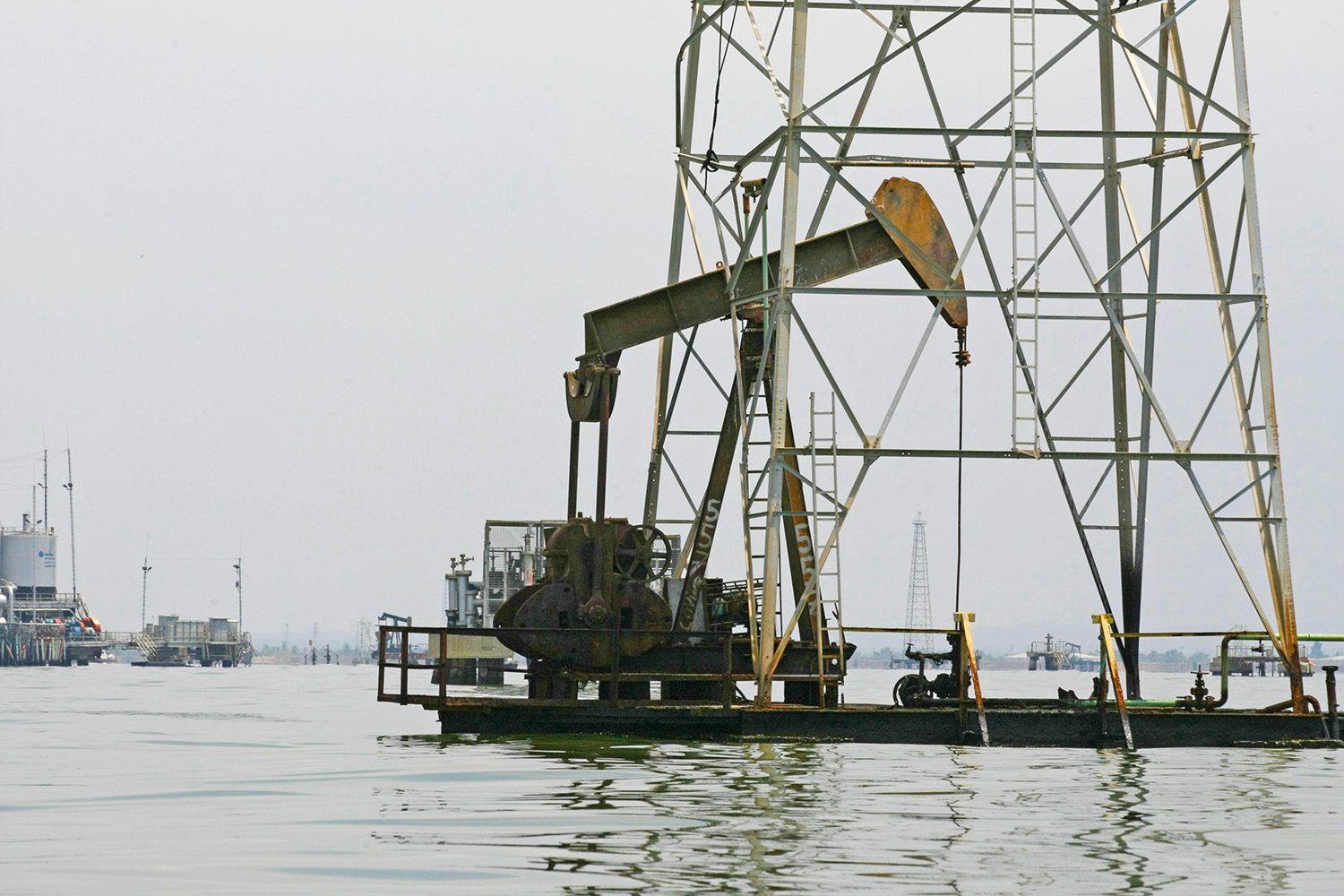
[00:15:59] De hecho, tiene las mayores reservas probadas de crudo del mundo. Pero esto es lo clave: el crudo que está bajo tierra vale cero dólares. Nadie quiere comprar el crudo que sigue bajo tierra. La gente quiere comprar el crudo que ya fue extraído para llenar tus tanques. La pregunta es: ¿Cómo se saca ese crudo? Venezuela logró hacerlo durante décadas.
[00:16:21] Ya mencionamos antes a PDVSA, la empresa petrolera estatal, que tiene el monopolio del petróleo venezolano desde que fue nacionalizado en los años setenta. ¿Y sabes qué? Era una compañía petrolera mundial muy fuerte, con ingenieros increíbles durante muchos años, con centros de I+D. De hecho, mi tío era físico, con doctorado, y regresó a Venezuela para dedicar su carrera a hacer I+D en la industria petrolera, incluso durante la era de Chávez.
[00:16:50] Este impulso de una empresa tan poderosa estaba allí. En su punto máximo, Venezuela producía alrededor de tres coma cinco millones de barriles de petróleo al día. Eso explica gran parte de la riqueza generada en la era de Chávez. Pero hoy Venezuela produce quizá solo una tercera parte de eso: en su punto más bajo, entre 300.000 y 400.000 barriles por día, una cantidad mínima.
[00:17:14] En los últimos años, la producción ha vuelto a subir hasta cerca de un millón barriles al día. ¿Qué pasó? ¿Cómo se pierden esas capacidades de producción? Hay muchos factores, entre ellos falta de mantenimiento y mala gestión de la empresa. Al ser estatal, la empresa fue utilizada como vehículo de corrupción.
[00:17:33] Y creo que el número de empleados se disparó en la era Chávez y se destinó a programas sociales. Hubo un éxodo de expertos y de talento, y la empresa perdió parte de su capacidad operativa. ¿Qué implica esto? Venezuela tiene petróleo bajo tierra; y la gran pregunta es: ¿cómo se recupera?
[00:17:52] Creo que parte de la infraestructura, aunque no esté muy bien mantenida, todavía existe y permanece presente en el sistema. A veces, los economistas cuando pensamos en crecer, la recuperación inicial puede ser más fácil que cuando ya estas cerca de la frontera del límite productivo. Entonces, si te encuentras en torno a un millón de barriles diarios, frete a los niveles de hace diez años, quizá puedas subir relativamente rápido, con algunas ganancias fáciles de obtener y con inversiones modestas, tal vez hasta alrededor de un millón y medio de barriles al día.
[00:18:17] Pero para volver a tres, o tres comas cinco o más, será un reto mucho mayor, que requerirá, como decía Liliana, una gran inversión extranjera. Para eso se necesita una transición a la democracia y un estado de derecho para que los inversores sepan que sus inversiones a largo plazo generarán retornos.
[00:18:37] Y eso no puede ocurrir bajo una dictadura como la que vemos, aunque Maduro ya no esté en el poder, el régimen y el aparato institucional siguen ahí. Los inversores quieren seguridad para hacer inversiones grandes que permitan aumentar los ingresos petroleros. Necesitan certeza de que sus inversiones estarán protegidas.
[00:18:57] Podría haber un aumento modesto de la producción, pero sin duda coincido con Liliana: eso no sería suficiente para pagar o reestructurar la deuda venezolana ni para devolver al país una sostenibilidad fiscal.
DAVID
Absolutamente. Y esto nos remite a esas condiciones esenciales que deben existir para cualquier programa económico de recuperación: el estado de derecho y la confianza en las instituciones.
[00:19:22] Ahora, algo que Liliana mencionó antes es la deuda de Venezuela. Y la necesidad de reestructurarla. Dany, ¿cuáles son, en tu opinión, tus mejores estimaciones sobre la deuda soberana de Venezuela en este momento?
DANY
Sin duda, eso es una parte central de la historia: es el gran elefante en la habitación. Quiero empezar indicando que todas estas estimaciones existen precisamente porque Venezuela, como país, sus funcionarios y sus instituciones estatales no cuentan con datos suficientes para saber con precisión dónde estamos.
[00:19:52] Gran parte de esta deuda es deuda soberana emitida por la República. Parte de esa deuda proviene de la empresa estatal, por lo que también se considera deuda soberana. Parte de esa deuda podría haber surgido con el gobierno chino. No lo sabemos con certeza, pero las estimaciones indican que Venezuela podría deber más de 150 mil millones de dólares.
[00:20:11] Para poner esto en contexto, el PIB de Venezuela hoy, de nuevo, no es algo que sepamos exactamente, podría estar en torno a los 40 o 50 mil millones de dólares. Además, el precio del petróleo cayó y la producción petrolera también cayó. Del millón de barriles diarios que se producen, gran parte se queda en el país para consumo interno.
[00:20:33] Parte de ello se exporta, pero no importa cómo se hagan los cálculos ni que escenarios se planteen: la deuda es tan grande que, en la práctica, limita la capacidad de recuperación futura. Déjame, Dave, decir una cosa más sobre cómo llegamos a esta situación, porque la pregunta es: ¿cómo fue posible que no se supiera cuán grave era realmente?
[00:20:54] En el caso de Venezuela, siempre les explico a mis alumnos que la razón por la que se llegó a este punto es que el gobierno de Chávez, y luego el de Maduro, hizo justo lo contrario de lo que indica el libro de Macroeconomía 101. No soy muy religioso, pero la Biblia tiene un pasaje en la que el faraón de Egipto pregunta a José: “Oye, tuve un sueño extraño. Vi siete vacas gordas, y luego vi siete vacas flacas. ¿Qué significa esto?”
José, el primer macroeconomista, le responde: Eso significa que vas a tener siete años buenos y luego siete años malos. Durante los años buenos debes guardar grano para cuando vengan los años malos, para poder alimentarte y no pasar hambre.
[00:21:38] A eso es a lo que en economía llaman políticas contracíclicas. Cuando la economía va bien, ahorras parte de ese dinero. Esto particularmente importante porque muchos países en desarrollo realmente tienen dificultades para hacerlo. Cuando va bien, cuando tienes años buenos, especialmente en países que exportan petróleo, lo que debes hacer es ahorrar parte de esos ingresos, porque el precio del petróleo inevitablemente caerá, y entonces tendrás ese dinero en el banco para que puedas continuar consumiendo y funcionando sin provocar un choque a la economía, como el que vimos en Venezuela, que derivó en hambre y falta de medicinas y comida. El gobierno chavista, primero Chávez y después Maduro, hizo lo contrario cuando subió el precio del petróleo.
[00:22:18] Gastaron todo el dinero en consumo, no en inversión. Y cuando eso no alcanzó, empezaron a endeudarse, justo cuando el precio del crudo estaba alto. En ese contexto, si recibes dinero, te prestaré dinero. ¿A quién le importa? Me lo vas a devolver algún día.
[00:22:35] Y cuando eso dejó de funcionar, dijeron: “Imprimamos dinero, más para pagar esto.” Y así es como llega la inflación. Ninguna de estas deudas cayó del cielo: son una crisis fabricada. Y ahora, por supuesto, el pueblo venezolano enfrenta un problema serio.
[00:22:52] Pero también es una lección muy importante para los países en desarrollo, y para todos los países en general.
DAVID
Siento que este es un ejemplo muy extremo de un desafío que enfrentan muchos países ricos en recursos naturales: la tentación de gastarlo todo cuando los precios de ese recurso que exportan son altos. En ese, es un consejo muy sabio.
[00:23:13] Liliana, ¿cómo puede Venezuela de este desastre de la deuda?
LILIANA
Sí, este es uno de los problemas más comunes en economías que atraviesan crisis profundas, y la reestructuración de la deuda venezolana es, en realidad, la variable económica que debe abordarse desde el inicio de cualquier programa económico. Es muy importante señalar que Venezuela tiene un problema de solvencia.
[00:23:42] No es un problema de liquidez, sino de solvencia. Venezuela no puede pagar esta deuda y eso exige quitas sobre el principal en la negociación con los acreedores. Sin esas quitas, sería muy difícil recuperar la sostenibilidad de la deuda y el crecimiento económico.
[00:24:06] Lo que quiero enfatizar es que los acreedores tendrán que ponerse de acuerdo en que una cantidad significativa del principal de la deuda será perdonada. Habrá un recorte. Es decir, si la deuda es de cien y se acuerda un recorte de cincuenta, la deuda que debe pagarse ahora es de cincuenta, no de cien.
[00:24:29] Además, la reestructuración de la deuda venezolana será muy compleja, porque involucra múltiples frentes. Primero están los bonos en incumplimiento, tanto soberanos y como los de la petrolera. También existen reclamaciones bilaterales, especialmente con China. Luego están los laudos arbitrales definitivos: Venezuela ha perdido juicios ante tribunales internacionales y debe honrar esas obligaciones. Y, por último, está el tema de las sanciones y restricciones legales.
[00:25:13] Coordinar a los acreedores para una reestructuración de la deuda suele provocar negociaciones prolongadas y retrasos en la resolución de problema. Esto es terrible y no se puede permitir que ocurra a en Venezuela hoy en día. China, por ejemplo, podría tener incentivos para retrasar negociaciones, ya que se beneficia de acuerdos de préstamos a cambio de petróleo. Mantener ese tipo de acuerdos no es bueno para un programa exitoso, porque el petróleo venezolano debe destinarse para múltiples fines y no solo para cubrir la deuda con China.
[00:25:39] Dicho esto, ya hay varios economistas ya empezando a pensar en cómo afrontar este desafío, lo cual es muy bueno. Recientemente leí un artículo de Martin Mühleisen, exfuncionario del FMI, quien ha argumentado, y estoy de acuerdo con él, en que el FMI puede desempeñar un papel de liderazgo y ser una pieza clave de la solución, basándose en su política recientemente aprobada que permite otorgar préstamos incluso cuando el país está en mora con acreedores oficiales.
[00:26:04] Esto significa que, aun cuando no haya pagos a acreedores bilaterales, el FMI podría conceder préstamos. Antes de esta política, el FMI estaba limitado a otorgar préstamos en caso de mora a acreedores bilaterales. Con este cambio, ahora el FMI sí podría proporcionar recursos a Venezuela, incluso si China u otros acreedores oficiales, no se comprometen a una restructuración.
[00:26:31] El FMI, además, exige que no se permita un trato preferencial a los acreedores que se niegan a reestructurar. Eso significa que China ya no podría beneficiarse del acuerdo de petróleo por préstamos. Eso aumentaría el incentivo para que China participara en la reestructuración. Sé que esto empieza a volverse complejo, pero hay una salida, y los expertos y las instituciones ya están empezando a trabajar en ella.
[00:26:59] Entonces, una posible solución a los problemas económicos de Venezuela no está libre de obstáculos. Sin embargo, resolver pronto la situación en Venezuela brinda una oportunidad para el FMI de mejorar su credibilidad con los países emergentes y en desarrollo. Hoy hay problemas de confianza entre el FMI y países que buscan resolver situaciones de crisis profundas. Una solución rápida a la crisis en Venezuela podría generar beneficio para todos, incluso el propio FMI.
DAVID [00:27:22]
Muchas gracias, Liliana. Y retomando lo que ya comentamos sobre el plan de recuperación económica, hay al menos cierto margen para el optimismo. Así que tengo una última pregunta para ambos. Si pudieran agitar una varita mágica y pudieran ver a Venezuela implementar una política que la ayude a salir de la pobreza y avanzar hacia la prosperidad, Dany, ¿cuál sería esa política?
[00:27:48]
DANY
Elecciones libres y justas. Esa sería mi única respuesta. Ahora estamos en una situación en la que la economía tendrá que esperar a la solución política. El régimen que estuvo a cargo del colapso del país por la mala gestión sigue al mando. Aunque ahora mismo, las cosas están evolucionando muy rápido.
[00:28:11] En este momento están cooperando con Estados Unidos para dar algunos pasos destinados a revertir el rumbo. Sin embargo, creo que hay un paso del que hablamos menos, pero que es el más decisivo y es el de elecciones justas. Este régimen podrá o respetar el resultado de las elecciones de julio de 2024, en las que el candidato de la oposición obtuvo una victoria abrumadora pero no reconocieron, o bien convocar unas nuevas elecciones que sean realmente libres y justas, en las que se permita a cualquier venezolano que desee postularse presentarse para ocupar un cargo, a diferencia de lo que he ocurrido en el pasado, cuando se prohibió la participación de ciertos candidatos. Lo más importante es que se respete la voluntad del pueblo, porque esa es la mejor herramienta que tenemos. Democracia.
[00:28:49] Para asegurar que las preferencias de la gente se reflejen en sus instituciones. Hoy los venezolanos quieren una Venezuela próspera. El modelo que impuso en el país no ha funcionado para Venezuela, y la gente quiere una recuperación. Por eso, necesitamos estado de derecho.
[00:29:08] Necesitamos reformas institucionales para atraer inversión y prosperidad. Sobre todo, necesitamos un gobierno que represente la voluntad del pueblo. Y por eso necesitamos elecciones libres y justas.
DAVID
Gracias, Dany. Liliana.
LILIANA
Estoy de acuerdo con Dany, pero agregaría la reincorporación de Venezuela al FMI.
[00:29:28] El país necesita recursos y asesoramiento técnico de la institución para implementar políticas y reformas que son necesarias desde hace ya mucho tiempo.
DAVID
Lo que vemos aquí es que Venezuela se encuentra en un punto de inflexión.
[00:29:50] Estamos en una situación sumamente difícil, pero existen caminos para avanzar ante estos enormes retos económicos, y las instituciones son fundamentales para poder aplicar esas soluciones. Muchas gracias, Liliana. Muchas gracias, Dany. Y gracias a todos ustedes, oyentes, por acompañarnos hoy en el podcast del Center for Global Development.
[00:30:20] Muchas gracias por escuchar el podcast de CGD. Puedes aprender más sobre los temas que tratamos en nuestro sitio web cgdev.org. Nos vemos en el próximo episodio.
[00:30:32]
Topics
DISCLAIMER & PERMISSIONS
CGD's publications reflect the views of the authors, drawing on prior research and experience in their areas of expertise. CGD is a nonpartisan, independent organization and does not take institutional positions. You may use and disseminate CGD's publications under these conditions.