Recommended
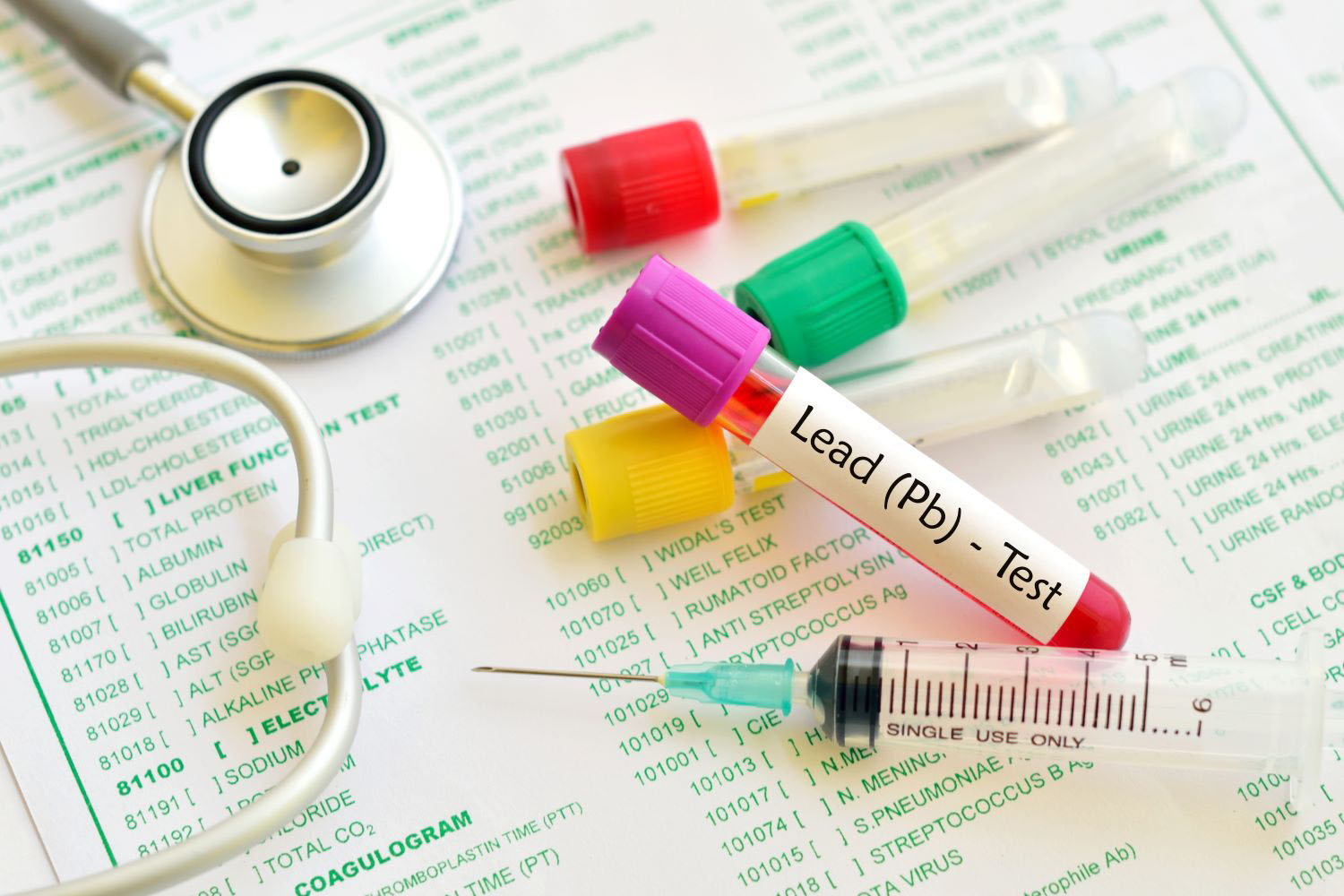
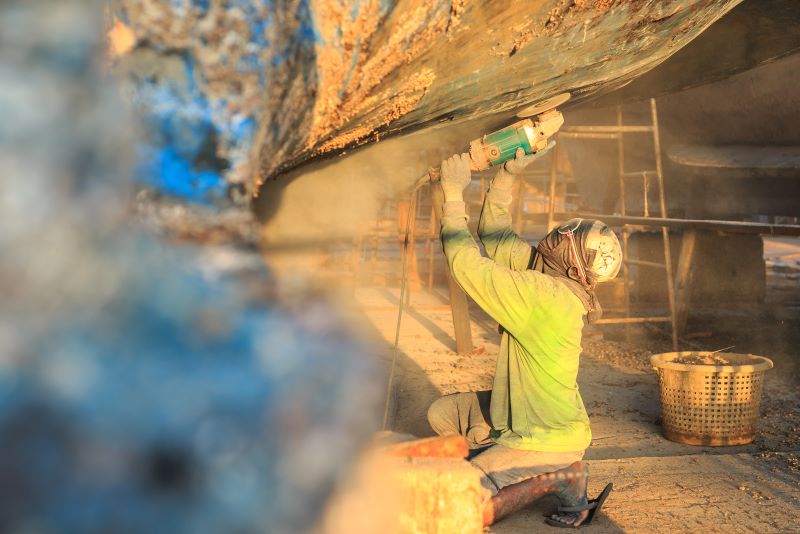
Widespread, low-level lead exposure costs children millions of IQ points and massive cumulative increases in health risks. How can we get the lead out? The top priority is prevention: by avoiding and removing sources of exposure. The next is treatment: but chelation drugs are expensive, and reserved for particularly high levels of exposure. Iron and calcium supplements are recommended by the World Health Organization (WHO) for lower levels of exposure, but based on "very low-certainty evidence." We wanted to check for ourselves just how low-certainty this evidence is, and synthesised the experimental evidence in a meta-analysis. Our findings hint at small but real effects of nutritional supplementation, suggesting actions like food fortification could be extremely cost-effective in tackling lead exposure at scale.
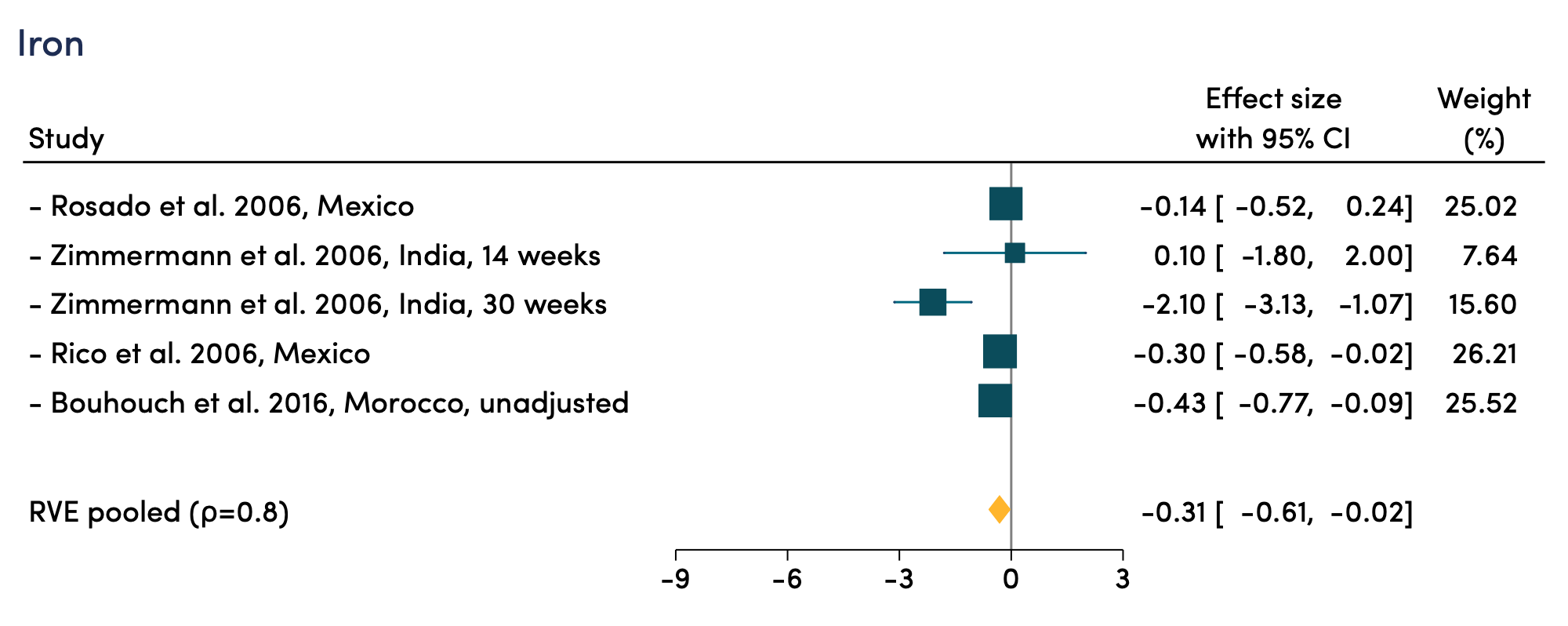
First, looking at iron supplements, we found just four studies. Across these four randomized studies, iron supplementation reduced blood lead by an average of -0.31 µg/dL (Figure 1).
Figure 1. Iron supplements have a small but meaningful effect in settings with good prior nutrition
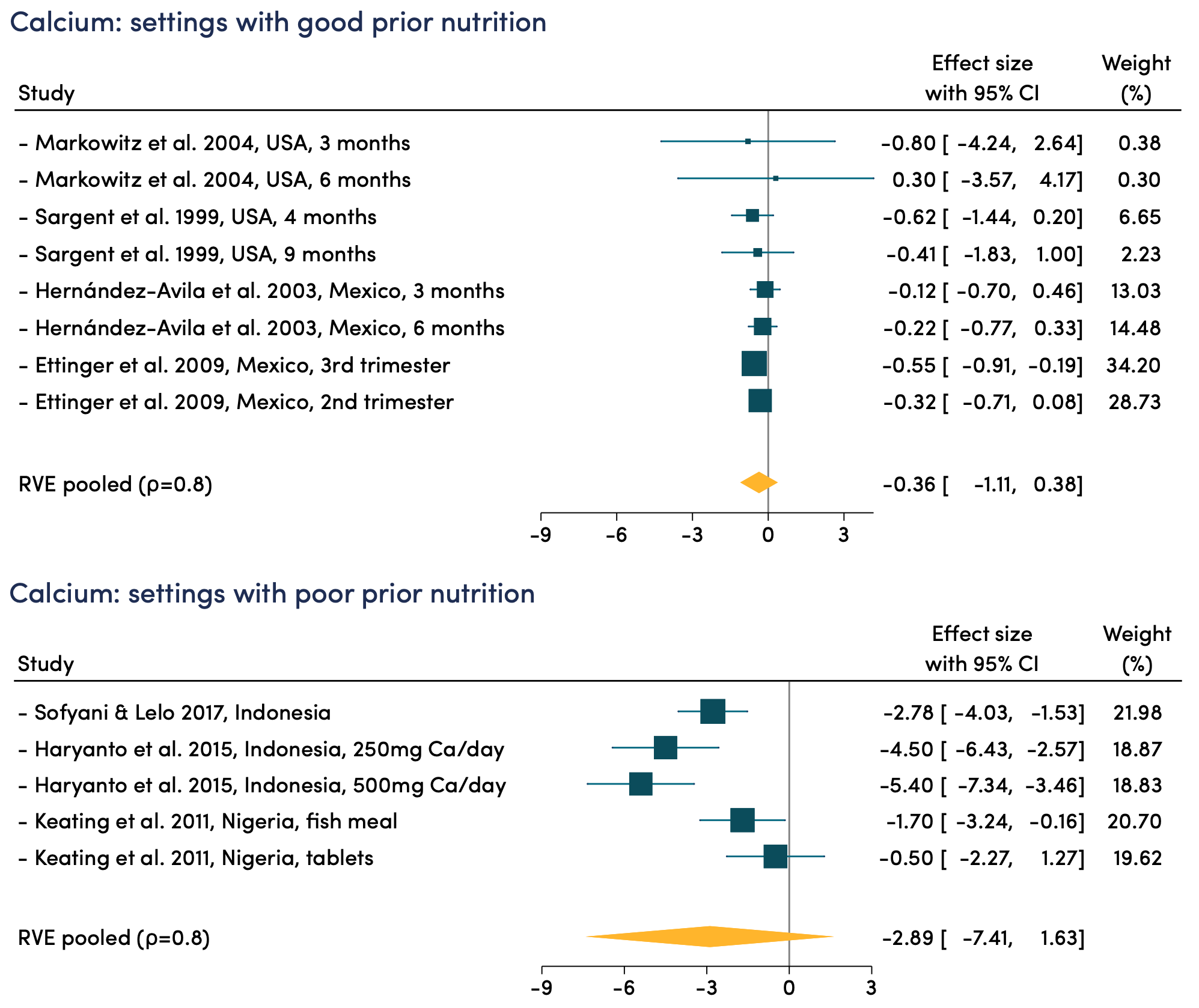
For calcium we found seven studies (Figure 2). Here, the effects of calcium in settings with relatively good baseline nutrition levels appear statistically insignificant, but there are signs that developing country settings may have much larger effects at -2.89 µg/dL. Unfortunately, the three studies in developing country settings do not pass a standard risk of bias assessment, making the results even more uncertain.
Figure 2. The effect of calcium supplements is statistically insignificant, but larger in settings with poor nutrition
To contextualise these results, the average blood lead level in developing countries is around 5 µg/dL, so an effect of -1 µg/dL is about a 20 percent decrease. Our research on the effects of lead on test scores implies that a small reduction in blood lead, say from 5 to 4 µg/dL, would lead to a 0.02 standard deviation improvement in test scores or 0.4 to 0.6 IQ points—a small benefit but potentially valuable given low costs and additional direct health benefits. And the costs really are low; for iron, Givewell estimates less than a dollar per person per year. The World Bank estimates that the benefit-cost ratio of providing iron supplements in Bangladesh would be around 6:1, based on reductions in blood lead alone, aside from the benefits of reducing anemia.
Though the number of experimental studies is small, they are supported by the correlational evidence; low dietary calcium and iron deficiency are consistently associated with high blood lead. The biological mechanism is also well studied. Both compounds compete with lead for absorption in the gut. Looking only at blood lead may also underestimate potential downstream impacts on cognition, because calcium competes with lead in the brain, too.
How common is calcium and iron deficiency?
Data on calcium deficiency is scarce. One recent review found that in many countries in Africa and Asia, average calcium intake is below the WHO recommended value of 840 mg a day, suggesting that deficiency may be widespread. Overall, estimated rates of calcium and iron deficiency are high in most of the countries with high lead exposure (Figures 3 and 4).
Figure 3. Most people in poor countries don’t get enough calcium or iron
Figure 4. Supplements would likely help the most in countries that have both high blood lead and poor nutrition
Note: Here, high lead means having blood lead levels above 5µg/dL.
So what should policymakers do?
There are good reasons to be supplementing iron and calcium, even aside from their impacts on lead exposure. Iron deficiency anemia causes health risks for pregnant women and cognitive impairment for children. Meanwhile calcium helps to build strong teeth and bones. One important caveat is that iron supplements can potentially increase malaria risks, but the benefits likely outweigh those risks. Still, fortification programs in malaria-exposed places should consider additional precautions.
1. Fortification > supplements
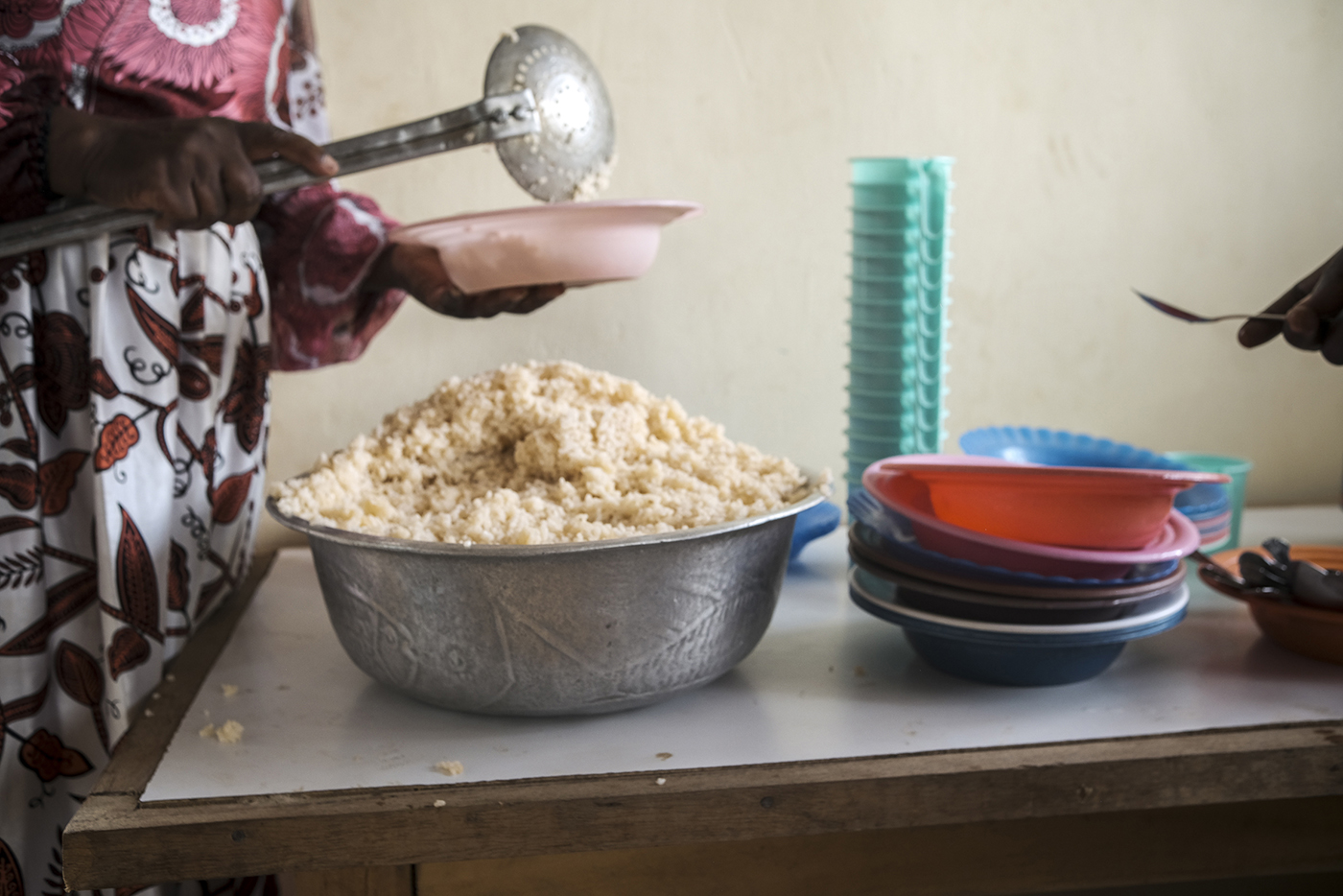
The best at-scale and sustainable strategy for improved nutrition is changing the defaults rather than asking people to change their behaviour. Fortifying the food that people already eat is likely to be more reliable than asking people to remember to take a tablet every day. Wheat flour and breakfast cereals are often fortified with iron and calcium in rich countries, but this is less common in low-income countries. There are several NGOs trying to change this by working with government and food producers to encourage fortification, such as the Food Fortification Initiative (FFI), Fortify Health, GAIN, Sanku-PHC, and HarvestPlus. But providing tablets is also still cost-effective. UNICEF, Nutrition International, and Evidence Action reach millions of children this way, and multiple micronutrient supplements for pregnant women include iron (though not calcium). Similarly school meals are often fortified.
Ultimately tackling malnutrition is a high-value investment that remains woefully under-funded and highly at risk in the current context of sweeping global aid cuts. Adding in the value of preventing lead exposure is one more item to add to the benefits column.
2. More research needed
It’s the perennial complaint, but we lack any high-quality trials from the settings that matter most: countries with both high blood lead and widespread nutritional deficiency. Other questions that need answering are the long term roles that bone lead may play in health outcomes, and how much calcium competes with lead in the brain.
Nutrition is just one strand in what needs to be a broader strategy to address lead exposure. It may mitigate the harm, but lead exposure is entirely preventable, and it should be.
Topics
DISCLAIMER & PERMISSIONS
CGD's publications reflect the views of the authors, drawing on prior research and experience in their areas of expertise. CGD is a nonpartisan, independent organization and does not take institutional positions. You may use and disseminate CGD's publications under these conditions.
Thumbnail image by: Adobe Stock Images