Hand a migrant a visa, the thinking goes, and the rest will follow: A formal job, tax payments, and eventually, a decision to stay.
Many policies that aim to regularize undocumented immigrants are built on that premise. But new analysis, based on a survey of about 3,000 Venezuelan migrants across nine countries, shows that this is only half right.
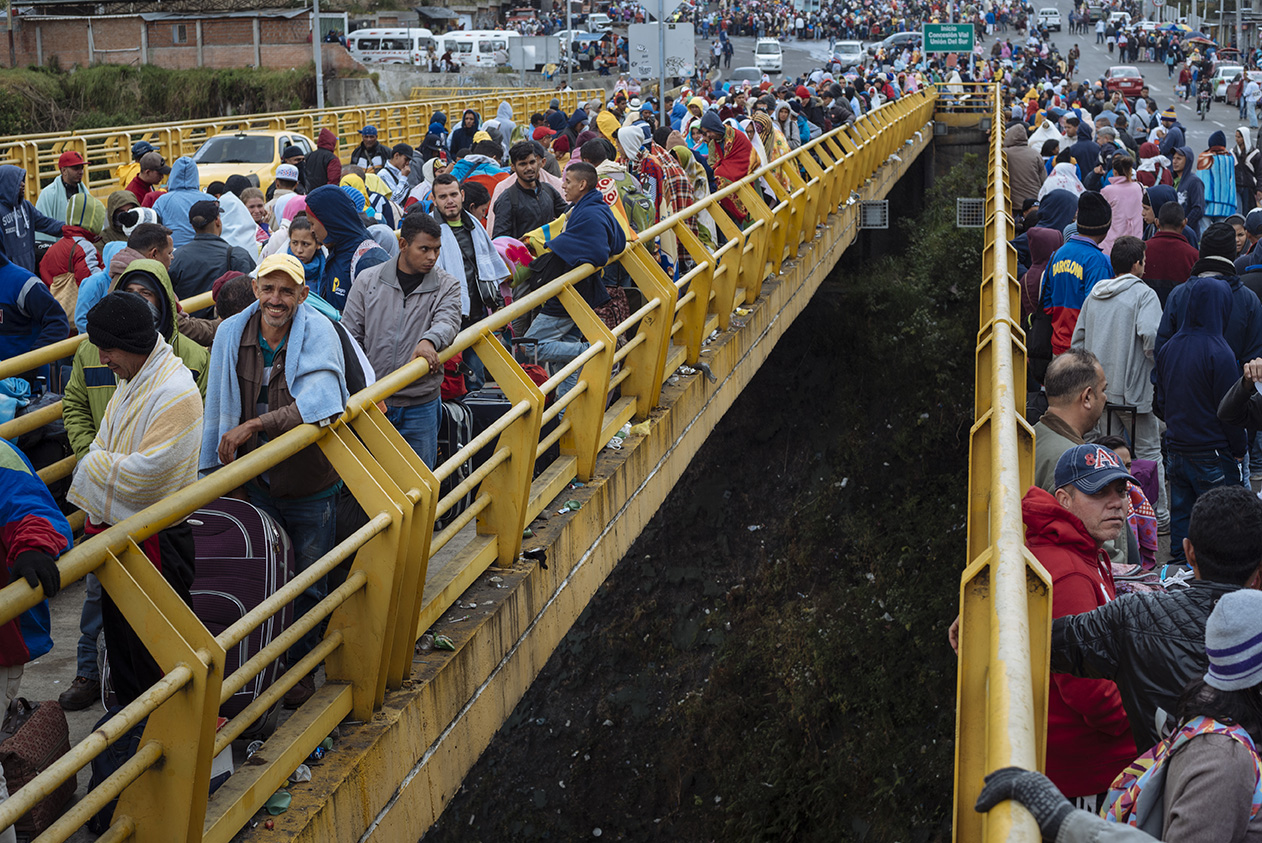
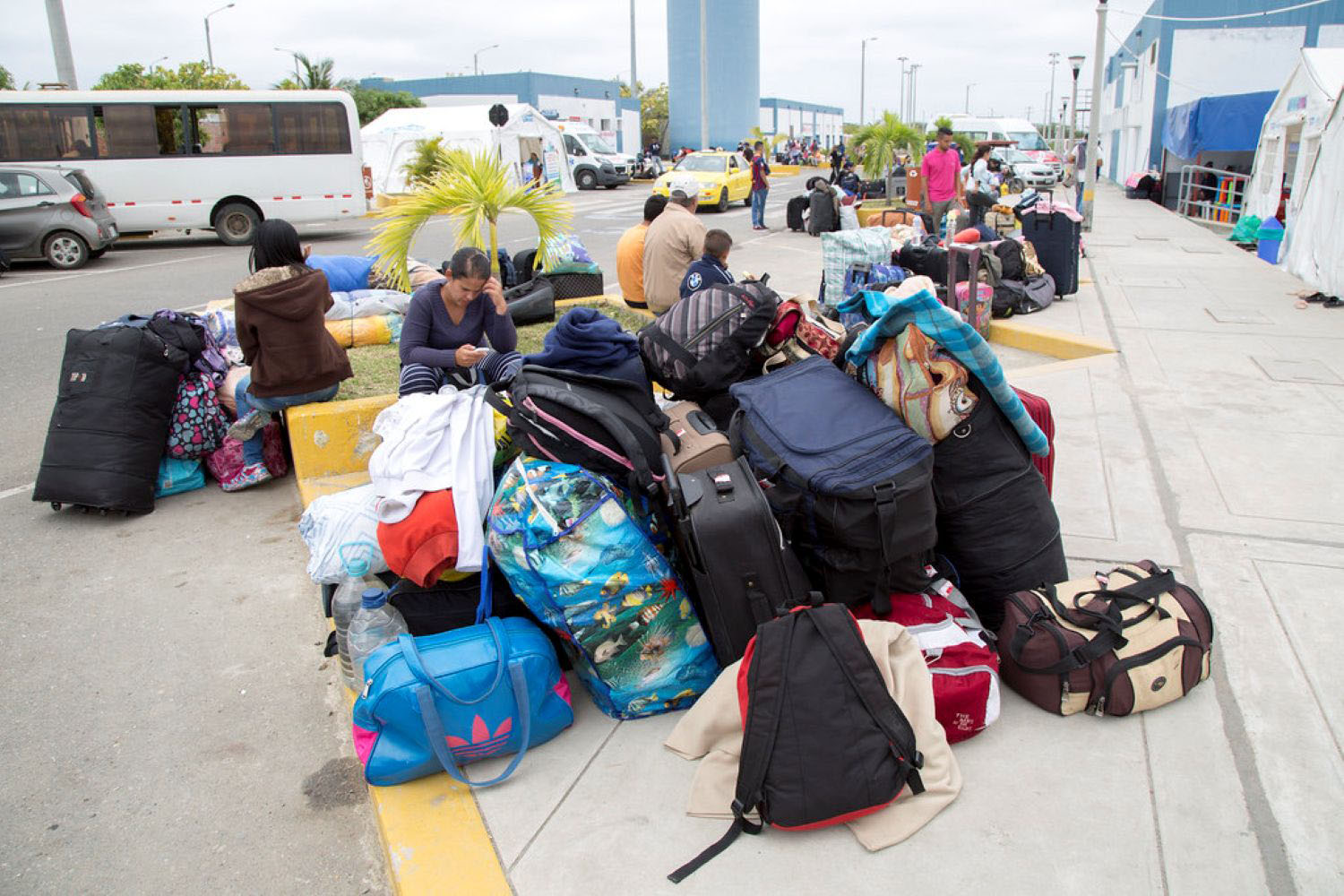
More than 8 million Venezuelans have left their country since 2014. Most are in Latin America—Colombia, Peru, Chile, Ecuador, Brazil. Many host governments have run, at some point, some version of a regularization program, providing undocumented Venezuelans with a status that allows them to stay and participate in the formal economy as well as granting them access to public systems such as education and health. But to what extent have these programs resulted in permanent settlement intentions for the refugees?
In a new CGD working paper, my coauthors and I analyze a proprietary survey of Venezuelan migrants across the region carried out in September 2024. The survey asked the migrants about their legal status, their jobs, their finances, and, most importantly, whether they wanted to stay in the host country.
The labor market half of the story is exactly what you'd expect. Migrants with documentation are 30.5 percentage points more likely to receive wages through a bank account than undocumented migrants. They're 21.6 percentage points more likely to hold a written contract. They're substantially more likely to contribute to social security, pay taxes, hold formal jobs, and perceive that they earn the same as locals doing the same work. These gaps are large, robust to specification choices, and survive wild-cluster bootstrap inference. They barely move when we drop any single country from the sample.
In plain English: papers pull migrants out of the shadows. The data is unambiguous.
Now, here's where it gets complicated.
We also asked migrants whether they wanted to stay. The gap between legal and undocumented migrants is 1.3 percentage points, with a standard error of 4.8. A precisely estimated null. Migrants with papers and migrants without papers report virtually identical settlement intentions.
That's surprising. If legal status is supposed to be the first step toward integration, why doesn't it move the most basic settlement question?
A visa addresses the legal uncertainty of a migrant's situation, but it doesn't necessarily address the economic one. A Venezuelan in Lima with a temporary protection permit and no formal job, no contract, no bank account, is still one bad week from instability. The papers say she can stay, but the paycheck says she might not want to.
Our study suggests that legal status starts to shift settlement intentions only when it's paired with concrete labor market integration, and having a written labor contract. Legal migrants with a contract are meaningfully more likely to want to stay than legal migrants without one. The same pattern shows up, less robustly, for bank account access.
In simple terms, our results support the idea that migrants, like everyone else, make plans about the future based on whether they can build a life, and not just whether they're allowed to be physically present.
So, what does this mean for policy?
Regularization works. As many rigorous studies have shown, the survey suggests that the labor market gains are real and measurable.
But it’s not the finish line. It is a first step, an opening move in a longer game played in labor ministries, banks, and tax registries, not in immigration ministries. The institutions that determine whether a migrant builds a real economic life are different from those that issue the paperwork.
There are implications for this in Washington. If the United States wants fewer Venezuelans showing up at its southern border, the most durable lever it has is not another mile of wall, another asylum deal with Mexico, or another round of interdiction patrols. Rather, it is helping host governments in Latin America turn newly regularized Venezuelans into formally employed ones.
Note: This blog was edited with assistance from AI and reviewed by the authors and a human editor before publication.