Momentum on tackling global lead poisoning continues to grow, but there’s still much that we don’t know. So, we’re launching a new call for proposals, jointly with Coefficient Giving, to support research to help understand and mitigate the global burden of lead poisoning. We have up to $5 million to grant to research projects—large or small—that can help us answer the big questions listed below or meaningfully contribute to global lead mitigation. Initial expressions of interest are due 2 August 2026. Details on the scope of eligible proposals and how to apply are provided in the Request for Proposals (RfP).
We’re open to a wide range of research across disciplines. Economists, environmental scientists, doctors, public health professionals, chemists, supply chain experts, and more are all encouraged to apply. We’ll consider fieldwork and desk research alike—from randomized controlled trials to natural experiments, market analyses, implementation research, policy analyses, and environmental sampling. We encourage applicants from a range of backgrounds and organisational circumstances, particularly researchers from the Global South, to apply.
Have further questions? Feel free to reach out to us (contact details are in the RfP), and we’ll do our best to get you an answer. On 23 June 2026, we’re hosting a brief explanatory webinar to walk through the RfP.
Want to team up? We’re running a virtual “matchmaking” process, where researchers can express interest in connecting with implementers, and implementers can lay out their priority research questions. You can register for either by clicking the links above. For additional information, refer to our FAQs.
We look forward to seeing your ideas to open up the black box of global lead poisoning—and answer the key questions that international organisations, aid agencies, national governments, and communities need to create a lead-free future.
Research questions
While lead exposure has attracted considerable scientific research, several fundamental questions around it remain only partially answered. These knowledge gaps, if left unaddressed, might obstruct our ability to make the most of the newly devoted funds and attention.
Broadly, we have divided the outstanding questions into four buckets. We also welcome research on other topics that might have meaningful implications for action.
1. Measurement and monitoring
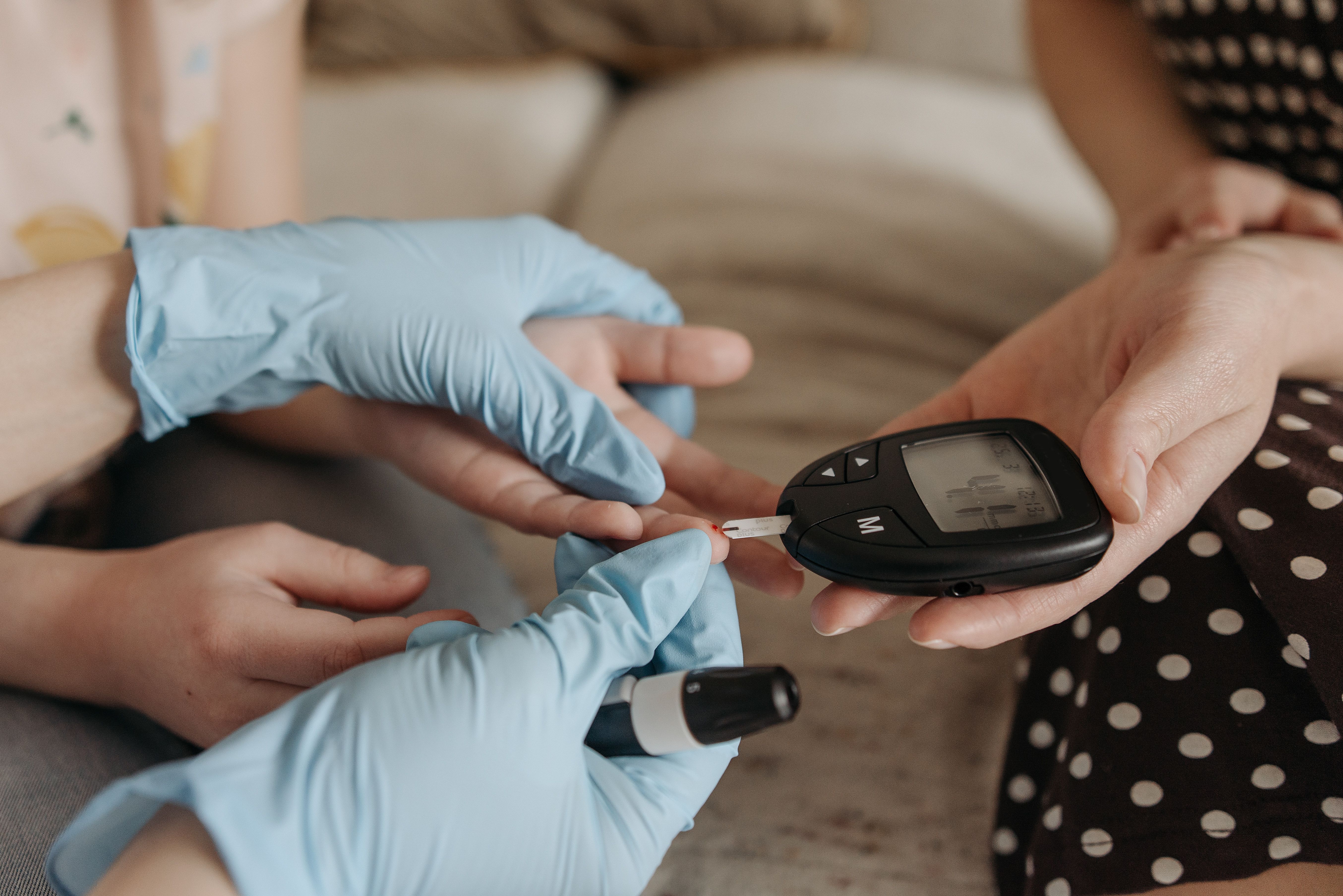
Better, cheaper tools for measuring lead exposure are essential for surveillance, programme evaluation, and policy advocacy.
2. Source identification and attribution
Understanding which sources of lead contribute to population-wide exposure remains a top priority. We are interested in research that helps identify, characterise, and quantify sources of lead exposure across geographies and population groups.
3. Used Lead-Acid Battery (ULAB) recycling
Informal and substandard recycling of used lead-acid batteries is a major and growing source of lead exposure in low- and middle-income countries. We are especially interested in research that can directly inform policy and programmatic responses.
4. Policy effectiveness
Reducing lead exposure ultimately depends on effective regulation, enforcement, and government action. Evidence on what works—and what doesn't—in driving policy change is limited.
What we funded last time
In our first RfP round, we funded a range of studies, focused on:
- improving source apportionment with isotopic ratio analysis and micromorphological features
- market and supply chain analyses of specific poorly understood sources such as metallic cookware, car battery recycling, and geophagy by pregnant women
- new basic science on improving blood lead measurement
- policy interventions on lead-free paint regulation and occupational awareness campaigns
- improving our understanding of the dose-response relationship between lead and cognitive outcomes
- experimental studies into replacing cookware and providing nutritional supplements
Research questions like these are welcome, as are those that address the knowledge gaps above, as well as proposals with policy implications. We also encourage researchers who applied in the previous round but did not receive funding to consider resubmitting, particularly if their proposals have been refined or expanded. Apply today!