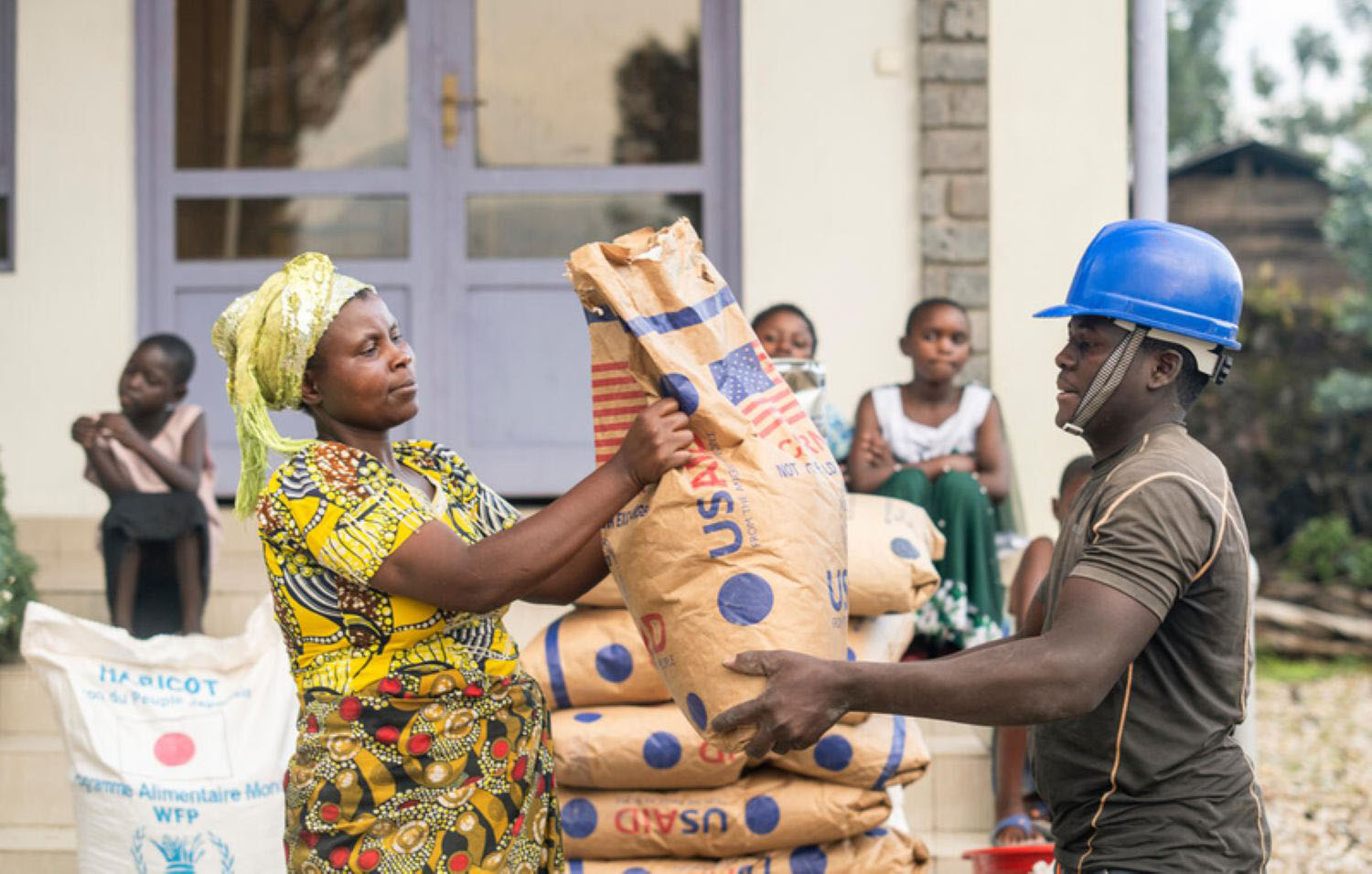
In September 2025, the US State Department released the America First Global Health Strategy, announcing a major shift in how the United States programs foreign assistance in one of its largest sectors, representing over $13 billion in FY 2024. Global health dollars, the strategy states, will now flow primarily to foreign governments, not to nongovernmental organizations (NGOs), as has been the case in recent decades. The Department has sought to advance this strategy by signing non-binding, multi-year memoranda of understanding (MOUs) with dozens of its largest aid recipients. While officials acknowledge that there will be real challenges to providing direct assistance in the near term, the explicit goal of these MOUs is to transition from donor-driven systems to partner government-led implementation.
Despite having made this transition its guiding principle, the State Department has not yet fully explained how it will approach the delivery of US aid dollars to governments. There are many models of direct assistance, including from multilateral financial institutions, other bilateral donors, and within the US government itself. These models vary in how and to what extent they use country systems, the types of oversight and management structures involved, and the basis for making payments and, therefore, the incentives created.
These case studies aim to inform public debate on this topic—and the implementation of the Department’s new agreements—by examining three direct donor-to-partner government funding models by three different donors. Though these do not represent the full spectrum of what is feasible, they offer an instructive overview of practices for the various elements the Department needs to consider.
The three approaches were selected for their relevance to the new strategy, focus on the health sector, large funding envelopes that incorporate results-based financing, and programming in countries of strategic interest to the United States. Across the three cases, direct donor-to-government programs benefited from flowing through established national health plans and country systems, paying for performance against a set of clearly defined results, and relying on existing national audit and data institutions for verification. Donor approaches to staffing, risk management, and sustainability varied considerably across the programs, reflecting design choices rather than a singular best model. But in each case, the program’s effectiveness relied on early, context-specific judgments about the capacity and comparative advantage of the specific donor, partner country, and broader donor assistance apparatus.
Read the case studies here.