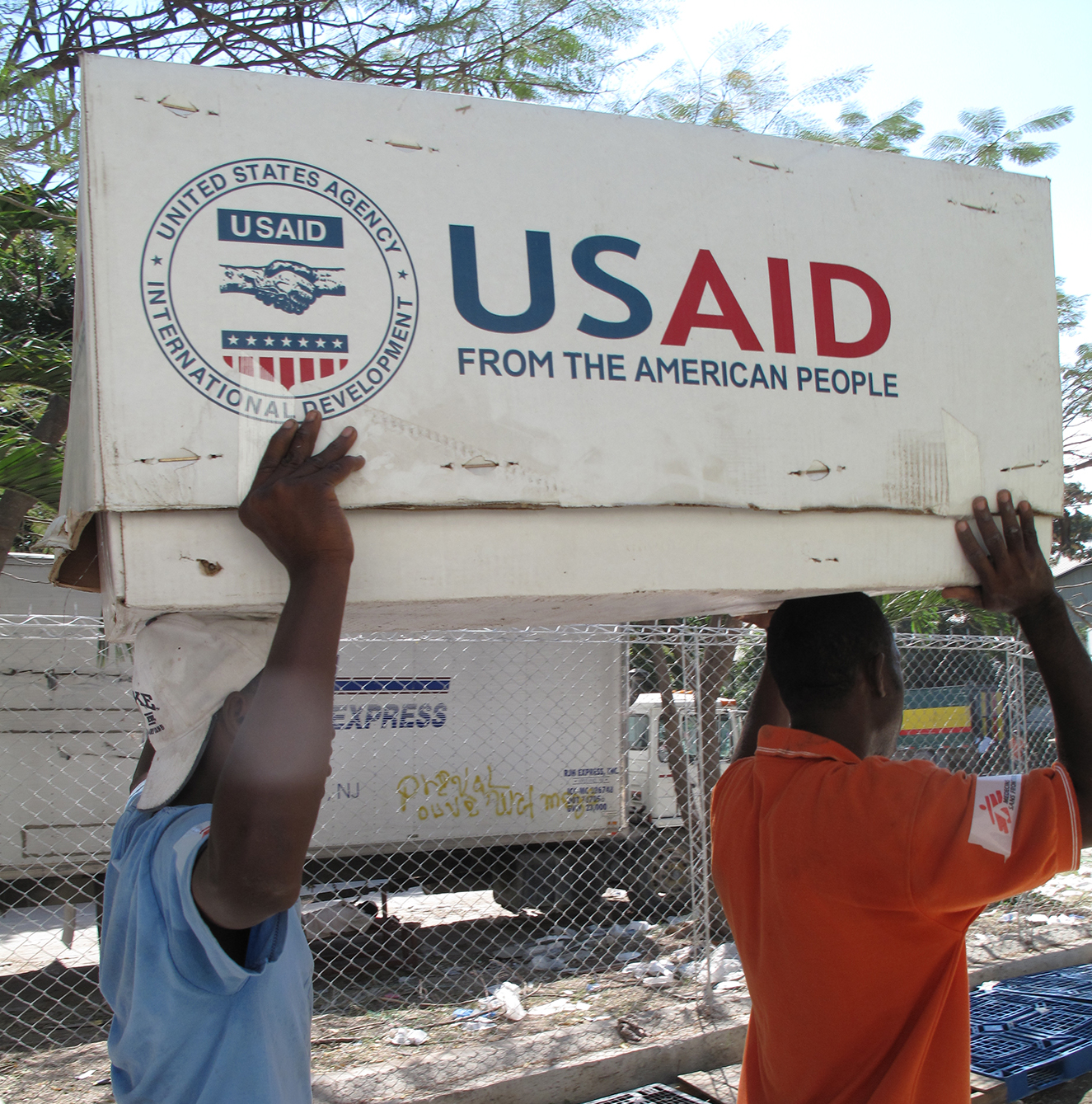
In 2025, the debate over US foreign assistance sharply intensified after the Trump administration dismantled the U.S. Agency for International Development (USAID). While closing the agency was arguably the most consequential institutional change in the history of US foreign assistance, it also created space to reexamine how US aid is structured and delivered—and an unexpected opportunity to rebuild the foreign assistance architecture on a stronger foundation.
Outside critiques have shaped much of the public debate about the future of US aid. What has been missing is a systematic accounting of how experienced USAID practitioners themselves assessed the agency’s performance, constraints, and unrealized opportunities. If those closest to the system had greater flexibility, what would they have done differently, and what does that imply for the next generation of US foreign assistance? In a new note, I set out to answer those questions.
The survey
I surveyed former USAID personnel with substantial firsthand experience of the agency. Of the 107 people who received the survey, 55 agreed to participate, 53 answered the principal reform questions, and 49 completed the full survey. The sample was exceptionally experienced but weighted toward senior leadership: 69 percent had worked for USAID for at least 20 years, and 69 percent identified mission leadership as a principal career role. The findings are therefore best understood as the informed judgments of experienced institutional leaders, rather than as a statistically representative picture of former USAID personnel as a whole.
The results
The survey results neither defend the status quo ante nor support a wholesale abandonment of foreign assistance. Instead, experienced practitioners believe that a future, reformed system should be (1) organized around fewer strategic priorities; (2) flexible enough to adapt as evidence and conditions change; (3) grounded in deep development expertise, strong field relationships, and local ownership; and (4) accountable for results and responsible stewardship rather than procedural compliance.
Such a system would give skilled practitioners more room to exercise judgment and engage in development diplomacy—using policy dialogue, convening, coalition building, and sustained local relationships to shape the policies and institutions that transformational and enduring development requires. Local ownership would be a matter of who establishes priorities, shapes strategies, and exercises substantive decision-making authority, not simply the percentage of funding awarded directly to local organizations.
Achieving that vision will be difficult. Setting strategic priorities ultimately means deciding what not to do. Yet efforts to accommodate every worthy need and constituency spread resources, leadership attention, and technical capacity too thinly to achieve transformational results. The executive branch, Congress, partner countries, and other stakeholders must confront these tradeoffs explicitly. Congress should be treated as a co-author of durable reform, not merely as an external constraint to be managed.
Finally, the durability of any reformed system will depend on rebuilding a constituency among the American people. That will require transparency designed to foster understanding, not simply reports that satisfy formal requirements but attract little attention. Rebuilding trust will be essential to creating a foreign assistance system capable not only of producing results, but of sustaining the political support required to pursue them over time.
Key findings
Six survey findings stand out:
1. Experienced practitioners prioritized strategic focus—being selective about a limited number of development objectives—and implementation flexibility as the most important reforms for improving aid effectiveness, with each option chosen by 42 percent of respondents. When asked to select the reform with the greatest possible impact, however, strategic focus became the clear leader. Practitioners wanted fewer priorities, but they also wanted field teams to adjust programs as evidence and conditions changed.
2. Reform was constrained externally but translated internally. Congressional directives and earmarks were most frequently cited as the critical obstacle to reform by a wide margin. At the same time, respondents also placed responsibility for resistance to reform on USAID itself. Risk aversion, organizational culture, bureaucratic inertia, and insufficient leadership commitment formed a substantial cluster of internally generated constraints. External controls narrowed USAID’s formal authority, but internal rules, incentives, and leadership determined how strongly those pressures influenced everyday practice.
3. Practitioners cautioned against blunt reform prescriptions. Sixty-four percent warned that further integration into the State Department could be harmful if pursued too aggressively, and 44 percent cautioned against dramatic increases in direct local funding. Their concern about State integration was not a vote against coordination or alignment with foreign policy, which they supported. Respondents worried, however, that integration would erode the specialized development expertise, institutional memory, operational knowledge, and relationships essential for development effectiveness.
4. Local leadership was broader than a funding channel. Respondents strongly valued country ownership, local professionals, consultation, field relationships, and use of country systems. But they questioned whether tracking direct-award percentages measured a genuine transfer of voice, authority, and leadership. A more meaningful assessment would examine whether local actors helped establish priorities, shaped strategies and program designs, exercised substantive decision-making authority, and believed their knowledge and perspectives influenced the development process.
5. Accountability needed redesign, not abandonment. Respondents distinguished between process-compliance requirements that consumed time without improving decisions and accountability for strategic outcomes, transparency, and responsible stewardship of taxpayer resources. The policy implication is smarter and more proportionate accountability that facilitates rapid decision-making and adaptation while ensuring responsibility for results.
6. Workforce capability—and the space to use it—was critical to effectiveness. USAID personnel were valued not only for managing programs, but for engaging in policy dialogue, convening stakeholders, building coalitions, and cultivating local relationships to influence the institutions and policies that determine whether development gains endure—in short, for their ability to engage in effective development diplomacy.
Read the note here.