WORKING PAPER

Cash Versus In-Kind: Households' Preferences in the Ghana School Feeding Programme

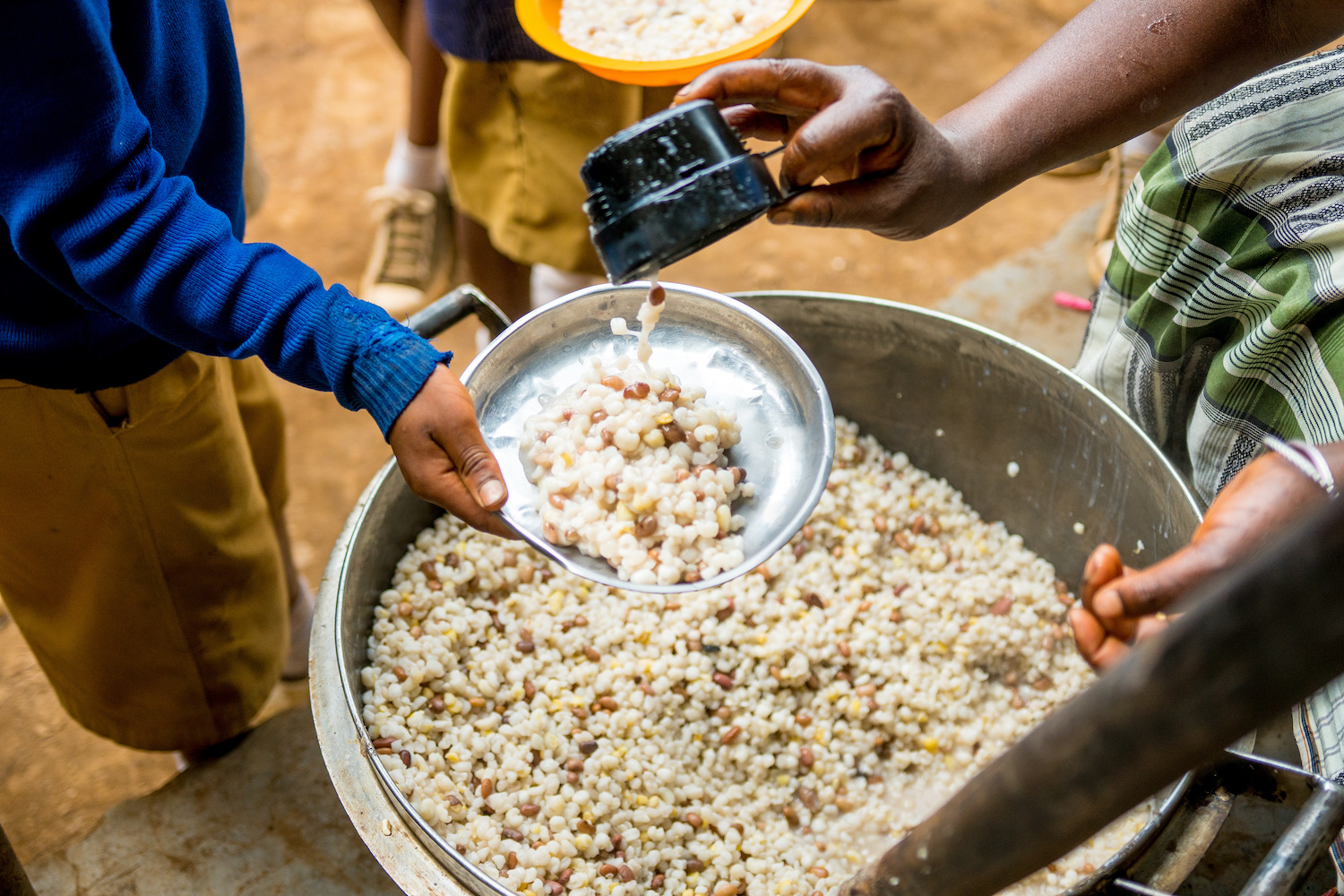
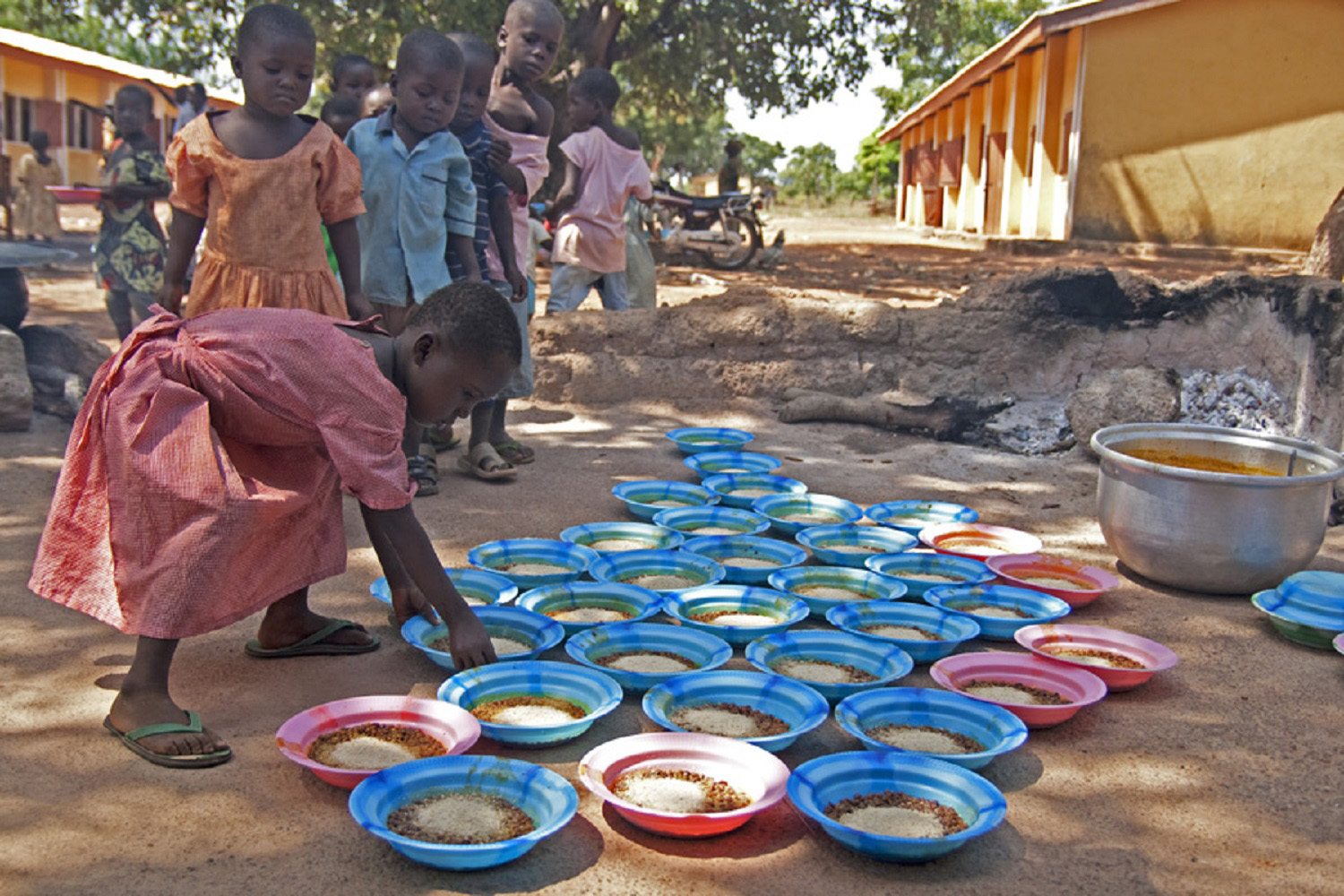
Where do caregivers of school children stand on the perennial debate on cash versus in-kind transfers for social protection and human capital development? This paper explores the predictors of parental preferences for alternative modalities in the context of Ghana’s national school feeding programme. Using data from a nationally representative survey of 1,425 caregivers whose children receive school meals, we explore the factors correlated with parental choices between on-site school meals, cash grants, or take-home rations. Our analysis reveals that the opportunity cost associated with preparing meals at home can potentially drive some mothers to prefer on-site meals over take-home rations. Additionally, households experiencing greater vulnerability to food price volatility and food insecurity tend to favour on-site meals over cash transfers. The findings suggest that the heterogeneity of preferences could be leveraged to finetune the targeting of alternative modalities, optimizing the overall benefits and costs of such programmes.


CITATION

Kojo Abreh, Might, Biniam Bedasso, and Radhika Nagesh. 2024. Cash Versus In-Kind: Households' Preferences in the Ghana School Feeding Programme. Center for Global Development.

DISCLAIMER & PERMISSIONS

CGD's publications reflect the views of the authors, drawing on prior research and experience in their areas of expertise. CGD is a nonpartisan, independent organization and does not take institutional positions. You may use and disseminate CGD's publications under these conditions.


Thumbnail image by: Dominic Chavez/World Bank