Recommended
Noting that the recent performance of developing countries is significantly worse than it was in the first decade and a half of this century, this paper suggests that the latter may have contributed to the former. Drawing on cases from the Middle East, Africa, and South Asia, I show how rapid growth and poverty reduction can lead policymakers and the international community to deny the existence of governance problems such as corruption and elite capture. When this denial increases distrust between citizens and the government, it often leads to political and economic turmoil that can result (and has resulted) in civil wars, instability, and a slowdown in economic growth. Moreover, growth-fueled denial works against transparency, which is an important tool for addressing governance problems. It also represents a lost opportunity to build domestic consensus for reform, which is easier during periods of economic growth. In sum, the costs of denial are huge.
Topics
CITATION
Devarajan, Shantayanan. 2026. The Costs of Denial. Center for Global Development.DISCLAIMER & PERMISSIONS
CGD's publications reflect the views of the authors, drawing on prior research and experience in their areas of expertise. CGD is a nonpartisan, independent organization and does not take institutional positions. You may use and disseminate CGD's publications under these conditions.
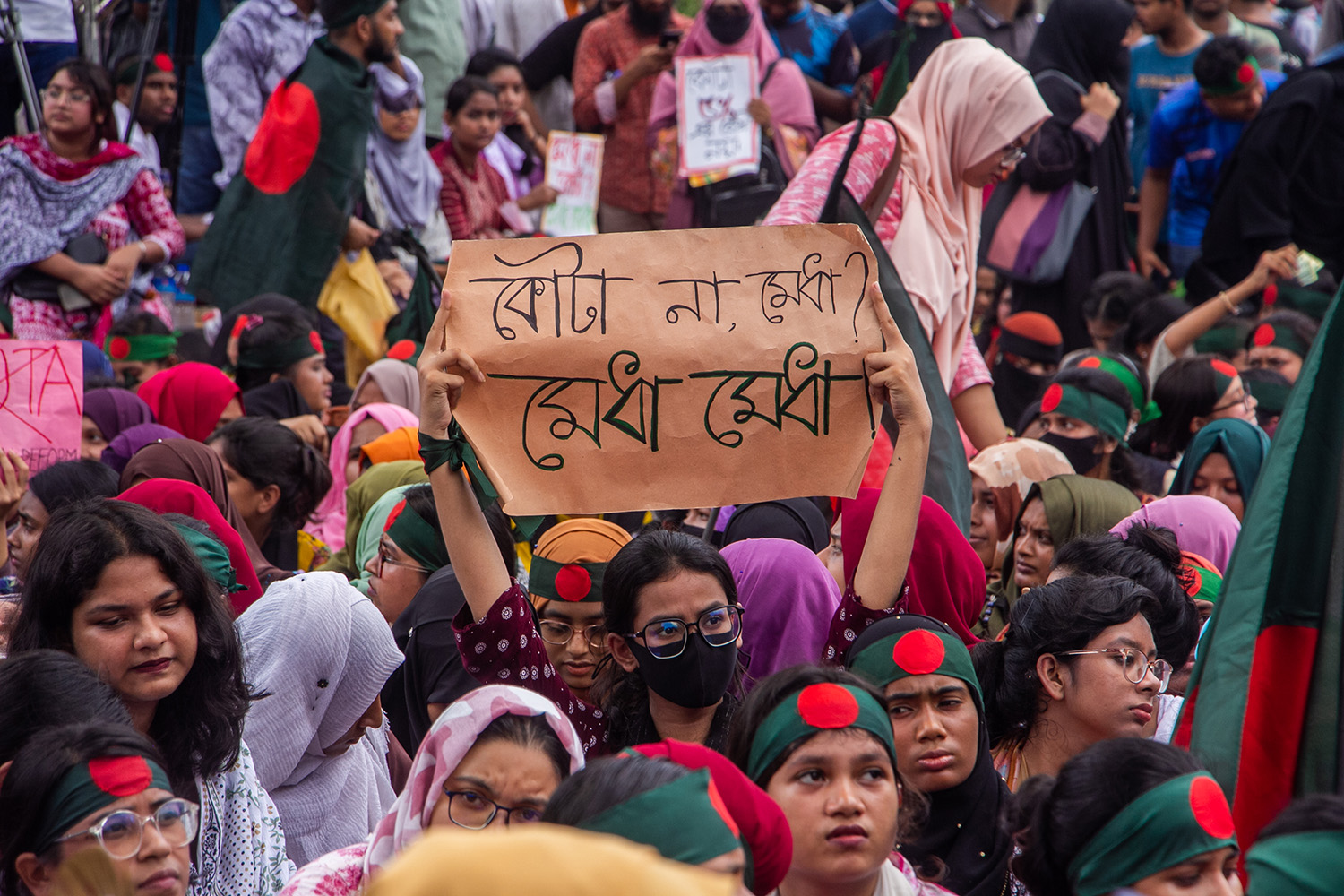
Thumbnail image by: Rayhan Ahmed/Wikiemdia