When countries experience rapid economic growth and falling poverty, leaders and development partners often overlook governance problems lurking beneath the surface. Citizens, meanwhile, encounter corruption, favoritism, and state dysfunction in their daily lives. Over time, trust erodes. In some cases, public frustration reaches a breaking point, triggering political upheaval, economic crisis, or even civil conflict. The result is almost always slower growth and lost development gains.
In a recent working paper, I show how this pattern has played out across three regions.
Middle East and North Africa
During the first decade of this century, countries across the Middle East and North Africa (MENA) enjoyed rapid economic growth, declining poverty, and—contrary to popular belief—stable or falling inequality. An international institution labeled Tunisia as “a model country.” Yet Gallup’s Life Satisfaction surveys consistently ranked MENA as the unhappiest region in the world.
The reason was a breakdown in the region’s social contract. Governments had long provided public-sector jobs, free health and education services, and subsidized food and fuel in exchange for political acquiescence. As growing numbers of young people entered the labor force, governments could no longer deliver enough public-sector jobs. Citizens responded by taking to the streets. The Arab Spring overthrew four long-standing presidents and was followed by devastating civil wars in Libya, Syria, and Yemen. Much of the region has since experienced stagnating per-capita incomes; MENA is now the only developing region where poverty is rising.
Sub-Saharan Africa
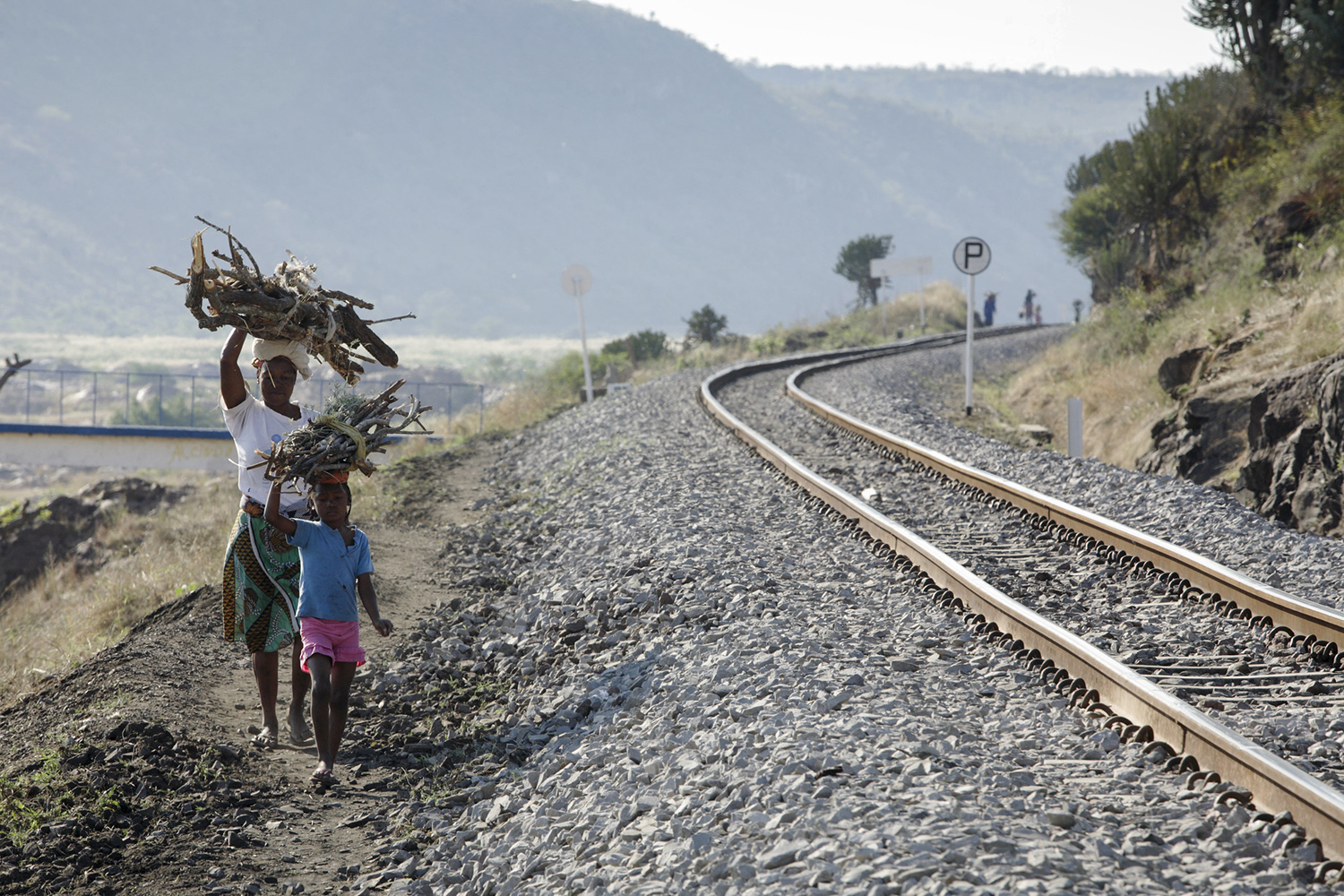
Between 1995 and 2010, Africa’s GDP growth rate doubled and poverty began to decline for the first time in decades. The optimism was palpable. The Economist, which had once labeled Africa “a hopeless continent,” ran a cover story, “Africa Rising.”
Many observers noted that the boom had not been accompanied by significant structural transformation or improvements in human capital. Weak governance remained a major constraint. Still, the prevailing view was that the governance reforms that improved macroeconomic management would sustain growth and overcome these weaknesses.
That optimism proved misplaced. When commodity prices fell in 2014, per-capita growth collapsed and has remained close to zero ever since. Governance weaknesses have even undermined macroeconomic policy: today, roughly half of African countries are either in debt distress or at high risk of it.
South Asia
Sri Lanka and Bangladesh illustrate similar dynamics. Sri Lanka entered 2020 with serious fiscal vulnerabilities. Large tax cuts caused the fiscal deficit to balloon, and the country effectively lost access to international capital markets. Rather than restructuring debt and seeking IMF support, the government continued servicing creditors from dwindling reserves while financing deficits through money creation. Two years later, the country defaulted. GDP contracted by 7 percent, inflation reached 70 percent, and a popular uprising forced the president to resign. Although the economy has since stabilized, Sri Lanka has lost a decade of growth.
Bangladesh presents a different but equally instructive case. Over several decades, it achieved rapid growth, sharp poverty reduction, and social indicators that often outperformed those of India. Yet governance problems remained pervasive. In 2003, Bangladesh was ranked the most corrupt country in the world. Policymakers and international partners treated this coexistence of strong economic performance and weak governance—the “Bangladesh paradox”—as an intellectual curiosity rather than a warning sign.
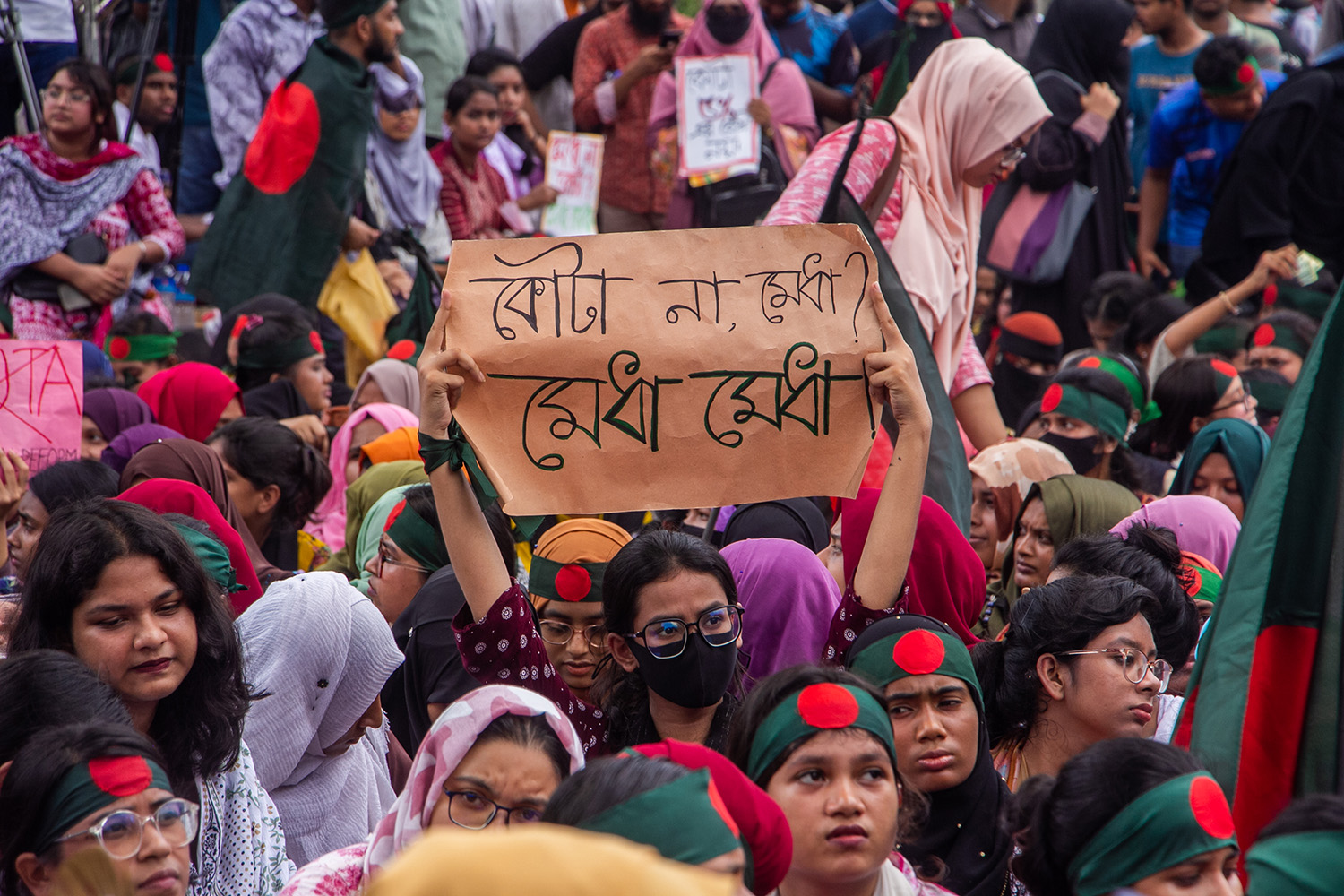
Public resentment, however, continued to build. In 2024, student protests over public-sector job restrictions grew into a nationwide movement against the government, ultimately forcing the prime minister to flee the country. The resulting uncertainty has significantly weakened investment and growth.
What can be done?
If periods of rapid growth encourage leaders and development partners to deny governance problems, and that denial ultimately fuels instability, three lessons follow:
- Treat growth episodes with caution. Strong economic indicators should not crowd out other measures of social well-being and political legitimacy. The low life-satisfaction scores in MENA before the Arab Spring were an early warning that many ignored.
- Embrace transparency. Open discussion of governance failures is far healthier than denial. Acknowledging problems does not undermine growth; suppressing them often does.
- Use periods of prosperity to undertake governance reforms. Every reform creates winners and losers. Growth generates resources that can help compensate those who bear the costs. Good times are therefore the best times—not the worst—to address governance weaknesses.
The central lesson is simple: governance problems do not disappear during periods of rapid growth. Ignoring them merely postpones the reckoning. In many countries, the cost of that denial has been measured in lost growth, political instability, and, in the worst cases, violent conflict.