Recommended
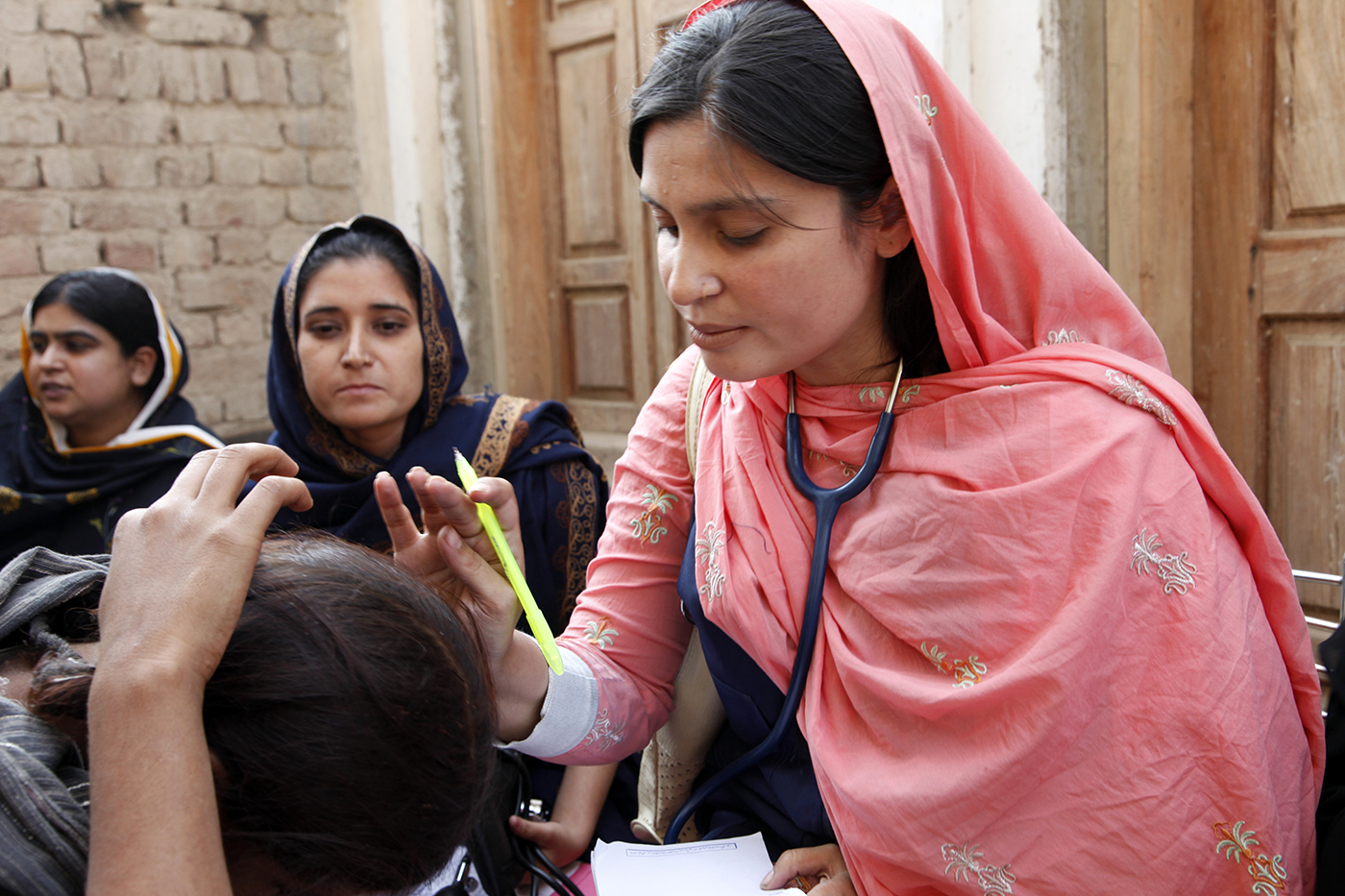
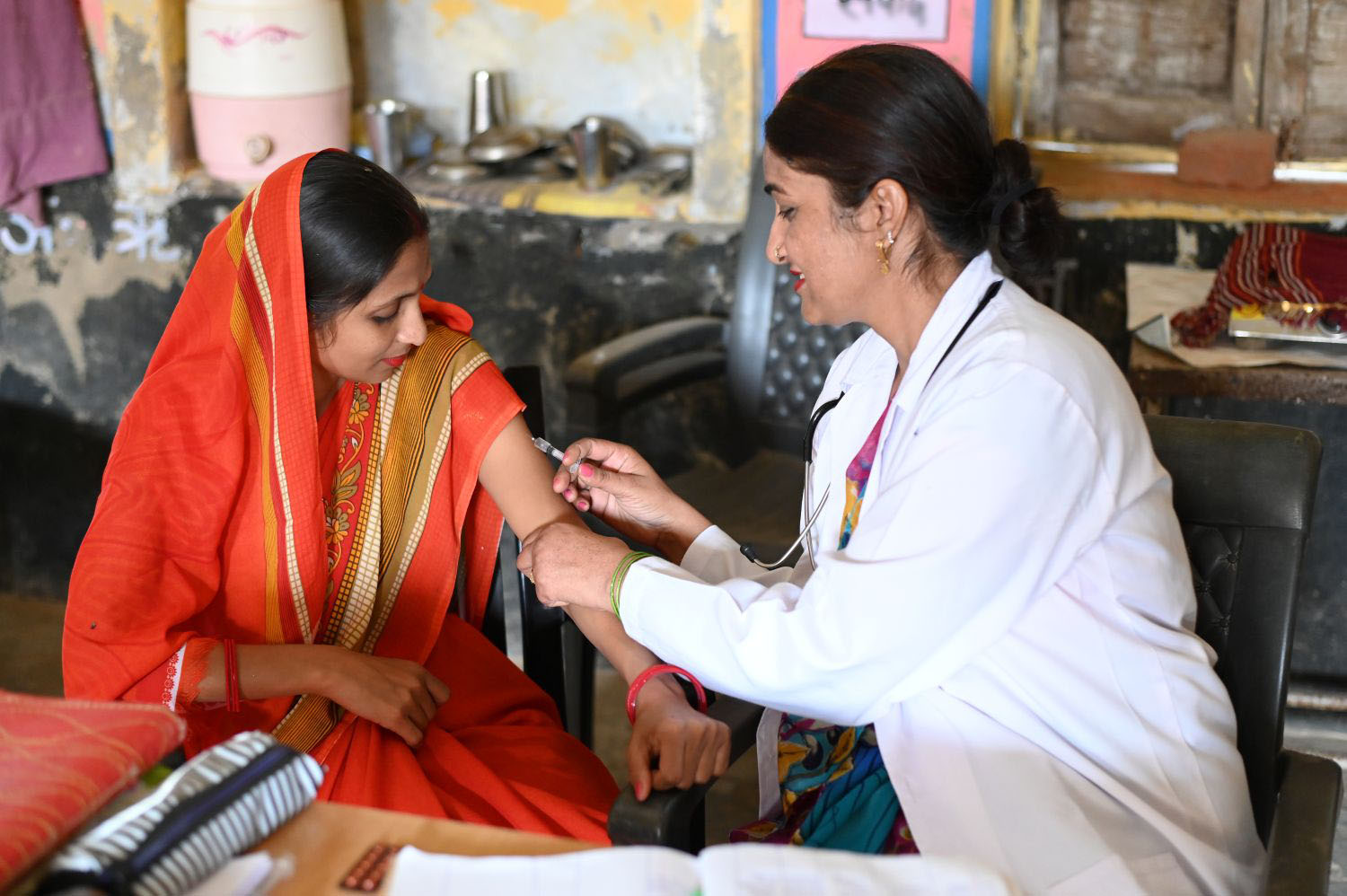
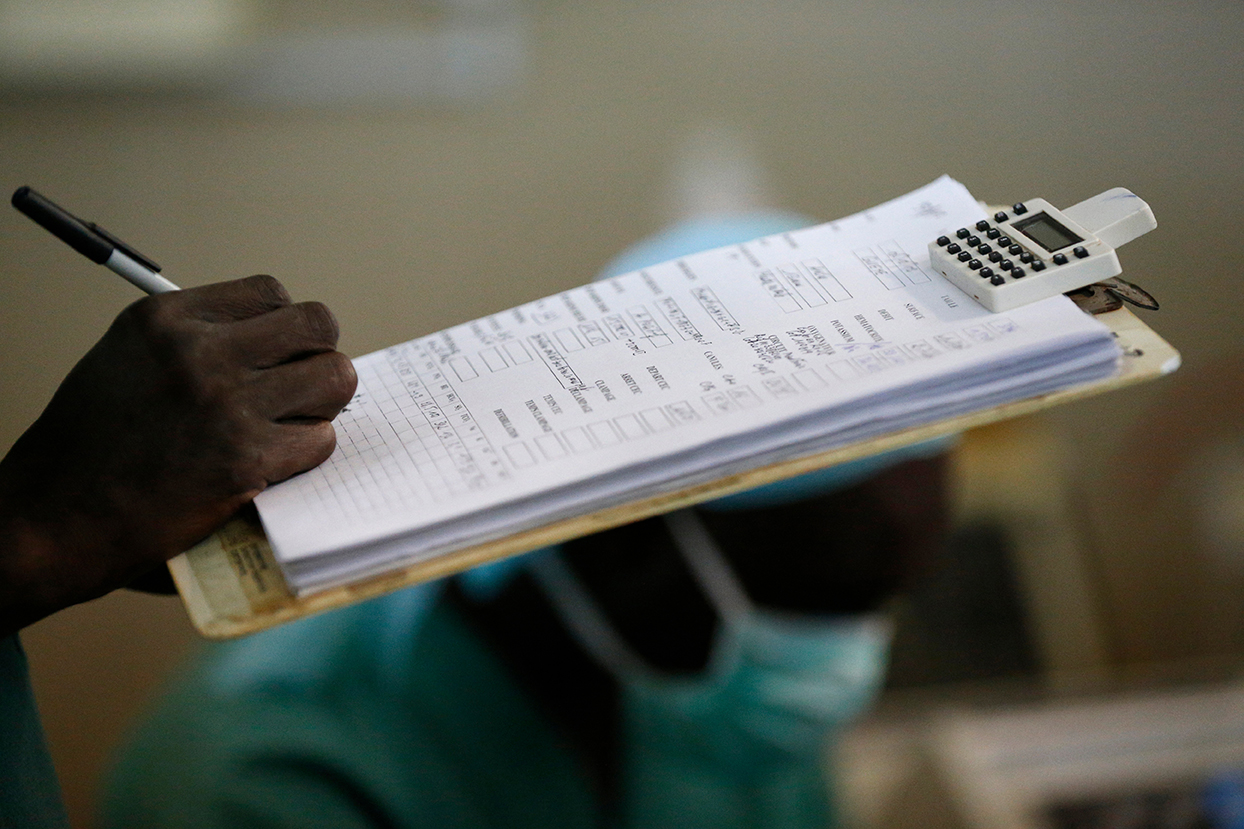
The State Department’s new bilateral global health agreements mark a shift in how the US finances health programs overseas. Under the America First Global Health Strategy, the department has signed dozens of memoranda of understanding (MOUs) with partner governments. These MOUs emphasize country ownership and co-financing, and point toward greater use of government-to-government (G2G) assistance. In practice, however, G2G financing is likely to be concentrated in a handful of countries in the near term. The agreements also envision tying some US financing to countries or implementing partners meeting specified milestones and performance targets.
There is a lot to like in this approach, including greater country ownership and less reliance on parallel donor structures. And as my CGD colleagues have argued, direct government assistance tied to clearly defined results can give governments greater flexibility while maintaining a focus on outcomes. But implementation details will matter enormously.
There are also good reasons to be cautious about how the milestones and performance targets are designed. Ministries of health cannot necessarily deliver outcomes that depend on finance ministries—which may have different priorities—parliaments, subnational governments, providers, and patients. Withholding funding when ambitious targets are missed could threaten the very people that US global health assistance is meant to protect. One sensible safeguard might be to limit results-based payments to improvements rather than using them to provide a floor for lifesaving services. And questions about how funding will flow, how results will be verified, and what happens when targets are missed remain central as the agreements move into implementation.
There is also a large body of evidence on performance-based contracts in health. Specifically, performance-based financing (PBF) has been tested at scale in low- and middle-income health systems for nearly two decades, including through World Bank programs across dozens of countries. Before I came to CGD, I worked at the World Bank, where I spent a considerable part of my time studying these programs—including leading a large randomized trial in Nigeria and the programmatic evaluation of a trust fund that supported 36 results-based financing programs for the delivery of basic maternal and child health services across low- and middle-income countries (LMICs).
An important distinction is necessary at the outset. The State Department’s agreements envision performance-linked financing at the government level, but much of the financing will continue to flow through other implementing partners. Meanwhile, much of the experimental evidence I discuss below comes from incentives paid to health facilities and providers. These are different contractual arrangements, and evidence from one cannot tell us what the effects of the others might be, but many of the underlying design questions are shared: whether the recipient can actually influence the result being rewarded; whether incentives, basic resources, or management are the binding constraint; how much payment needs to be put at risk; and whether disbursements are predictable enough for the promised reward to be credible.
The facility-level evidence therefore cannot tell us whether the State Department’s new performance-linked agreements will work, but it yields the following five lessons to consider as the State Department moves from negotiating the MOUs to implementing them.
1. Pay for things the people being incentivized can actually influence
This sounds obvious—but in practice, it is one of the easiest mistakes to make. Consider what we learned in Nigeria. The Nigeria State Health Investment Project randomized districts into performance-based financing and direct facility financing. Under PBF, facilities received operating funds plus payments linked to the quantity and quality of services they provided. Under direct facility financing, facilities received operating funds and the same autonomy, supervision, and community engagement—but no performance bonus.
In the evaluation of this project, we showed that PBF increased institutional deliveries by about 10 percentage points relative to direct facility financing. But it did not outperform direct financing on most other outcomes, including the uptake of preventive antenatal care.
Why might institutional deliveries differ from other health outcomes? For one, a provider has considerable influence over whether a woman who has already entered the health system returns to deliver at the facility. A good antenatal care visit may include counseling about where to deliver, identifying risks, building trust, and encouraging the woman to return to the facility to give birth. In other words, a provider can take concrete actions to encourage institutional deliveries.
But getting a woman to seek antenatal care at any given facility in the first place is a different matter—and may depend on distance, transport, the opportunity cost of her time, household resources, norms about her ability to seek care, and so on. As such, it may not matter how much a health worker is paid to provide antenatal care if many of the factors that keep a woman from coming into the clinic lie outside the health worker’s locus of control.
The same design problem arises when the contract moves up a few levels, from health facilities to governments: is the result being rewarded actually within the recipient's control? Many health outcomes may depend on finance ministries, legislatures, subnational governments, patients, economic conditions, or events far outside the ministry of health’s control. In some cases, the official signing the new MOU may not even have the requisite control over the budget! A good disbursement-linked indicator therefore responds meaningfully to the actions of the party whose financing is at stake—in addition to representing an important outcome.
Recent work by my colleagues Jocilyn Estes and Rosie Eldridge draws on more than a decade of World Bank Program-for-Results operations in health to reinforce this point. They recommend focusing performance payments on a limited set of clearly defined, verifiable indicators, balancing achievable milestones with more ambitious health outcomes.
2. Don't assume the bonus is what is producing the results
Perhaps the most important finding from the Nigeria experiment was how well the simpler alternative performed. Facilities receiving direct financing got money, autonomy over how to spend it, supervision, and greater community engagement. The only component they did not get was a bonus tied to measured performance. Yet on nearly every outcome, direct facility financing performed about as well as PBF. Both approaches improved many measures of service quality relative to business as usual. At the same time, PBF cost roughly twice as much once the larger payments, implementation, and verification costs were included.
The result that the fundamentals may matter at least as much as the high-powered incentives themselves is not unique to Nigeria. In our review of financial incentives in health, covering evidence from nearly 40 countries, we concluded that PBF programs often improved health service delivery relative to business as usual—but that the improvement frequently did not appear to come from the performance payments themselves. Other components bundled into PBF programs—greater frontline autonomy, additional resources, supervision, transparency, and accountability—often appeared to be doing much of the heavy lifting in terms of measurable impact.
In a compelling new experiment in Nigeria, Edward Okeke shows that unconditional grants to health workers in frontline clinics increased service provision and improved facility quality, with workers investing in infrastructure, equipment, and staffing. Perhaps most interestingly, the promise of additional resources itself appeared to motivate health workers: clinics promised a grant were substantially more likely to develop detailed plans for improving services, even before receiving the money. Simply giving workers the resources and autonomy to do their jobs can encourage greater effort without payments explicitly tied to performance.
Full-blown PBF systems can be expensive. Somebody has to measure the indicators and calculate payments, a third-party auditor has to verify reported performance, and the government must guard against gaming. These costs are worth incurring only if the benefits of conditioning payments on performance justify them. The default in the new agreements therefore need not be an elaborate bonus attached to every desired outcome. Simple, transparent financing through country systems—with autonomy and accountability—may often work just as well, with less of a financial outlay. Performance payments can then be reserved for the narrower set of outcomes where there is good reason to believe that additional effort is the constraint. This would also produce a system that partner governments have a better chance of sustaining after US financing declines.
Nigeria itself has moved toward this kind of hybrid model. Under its Basic Health Care Provision Fund guidelines, primary health facilities receive direct facility financing as their base funding, with a performance bonus of up to 10 percent of their direct facility financing allocation tied to a limited set of utilization, quality, and financial-management indicators.
3. More money is not necessarily a stronger incentive
There is surprisingly little evidence supporting the idea that increasing the financial stakes will produce proportionally larger gains. Reviews of health-sector pay-for-performance programs have found only weak evidence that larger payments are more effective.
That fits a broader literature showing that health worker effort responds to much more than financial incentives. For example, Jishnu Das and coauthors found that public-sector salaries in India were unrelated to quality, while the same doctors exerted more effort and provided better care in their private practices. And Ken Leonard and Melkiory Masatu found that repeatedly measuring Tanzanian clinicians' adherence to clinical protocols—while clarifying expectations and providing encouragement—improved their performance even without additional training, equipment, supplies, or financial incentives. Some of those gains remained 18 months later. In Nigeria, we also found that once health workers faced a meaningful performance incentive, increasing its size produced little additional improvement in effort. In addition, we found suggestive evidence of positive spillovers onto tasks that weren't directly incentivized, rather than evidence that workers simply shifted effort toward whatever paid.
Taken together, these findings suggest we should think about performance payments as part of a management system, not just a price attached to an outcome. Workers also need to know what better performance looks like and receive actionable feedback on how they are doing. The first challenge these MOUs face is to establish what constitutes a meaningful incentive. Beyond that threshold, clear standards, usable data, and supervision and feedback may matter just as much as the size of the payment.
4. Sometimes the constraint is on the patient side
There is a related problem with paying providers to increase utilization: eventually they run out of easy-to-reach patients. Suppose 40 percent of eligible women receive a particular service. There may be considerable scope for better-run facilities and more motivated providers to increase coverage.
Now suppose coverage for that same service is 90 percent. The remaining 10 percent are unlikely to be a random segment of the population. Instead, they may systematically be women who live further from facilities, face higher transport costs, are poorer, have less control over household resources, or are restricted in their movement. So getting those last 10 percent of patients through the door can be quite costly—in terms of effort—for the provider.
We saw hints of exactly this in the Nigeria experiment: gains in utilization were concentrated around the middle of the rural wealth distribution.
This is where demand-side incentives can complement supply-side ones. A conditional cash transfer can offset the patient's transport costs or opportunity cost of seeking care. In fact, cash incentives can even help convince conservative mothers-in-law in India to permit their daughters-in-law to use modern contraceptive methods. Money cannot buy everything, but it can sometimes buy social sanction!
More broadly, the evidence on financial incentives in health suggests that paying households and paying providers address different constraints. So if an MOU contains a disbursement-linked indicator where baseline coverage is already high, the answer may not be to put an ever higher price on each additional patient reached. It may be cheaper and more equitable to spend some of that money removing the barriers facing the remaining patients. In some settings, that may also mean working through community-based organizations to reach populations facing social or geographic barriers to care. The diagnostic behind the indicator must correctly identify whose behavior actually needs to change to move that number.
5. An incentive isn't an incentive if the money never reaches its intended recipient
Finally, performance contracts depend on a basic understanding: you do X, and I pay you Y. So, even the best-designed incentive only works if the payment is actually made at least somewhat reliably. Public financial management is a persistent constraint on health service delivery in many low- and middle-income countries. Recent World Bank and WHO work estimates that low- and lower-middle-income countries underspend their health budgets by about 13 percent on average. The Nigeria experience illustrates this point. Funds under both PBF and direct facility financing were transferred electronically to facility bank accounts, but even under this deliberately designed system, the average payment took about a week longer than the program standard of 45 days.
As the State Department develops implementation arrangements for the MOUs, it should pay as much attention to the path money travels as to the formula determining how much gets paid. Can funds reach the institutions whose actions are needed to improve population health outcomes? How long will disbursement take? Can recipients predict when the money will arrive? Do they have authority to use it? And can the system track the lag between verified performance and actual payment?
Start with the constraint rather than the solution
The State Department says the MOUs are intended to achieve concrete health outcomes while moving countries toward greater self-reliance. Delivering on those ambitions will depend on how the agreements are implemented.
But a common thread across previous experiences is that results-based financing works best when the contract comes after a diagnosis of what is actually constraining results. If frontline facilities lack money and autonomy, then you must first finance them. If providers know what to do but aren't doing it, a well-designed incentive, combined with supervision and feedback, may help. If patients face costs that keep them from seeking care, then reduce those costs. If money cannot reliably reach facilities, fix the public financial management system. And most of all, don't assume that attaching a price to an indicator means that the indicator is under the control of the person responding to the price.
The lessons from two decades of experimentation with performance-based health financing show that incentives work under particular conditions, within particular constraints, and are only one part of what makes a health financing reform effective. The State Department now has the opportunity to build those lessons into a new generation of global health agreements. It should use it.
With thanks to Jocilyn Estes and Charles Kenny for helpful feedback.
DISCLAIMER & PERMISSIONS
CGD's publications reflect the views of the authors, drawing on prior research and experience in their areas of expertise. CGD is a nonpartisan, independent organization and does not take institutional positions. You may use and disseminate CGD's publications under these conditions.
Thumbnail image by: Chris/ Adobe Stock