Recommended

Blog Post
Fiscal Implications of Rising Military Spending
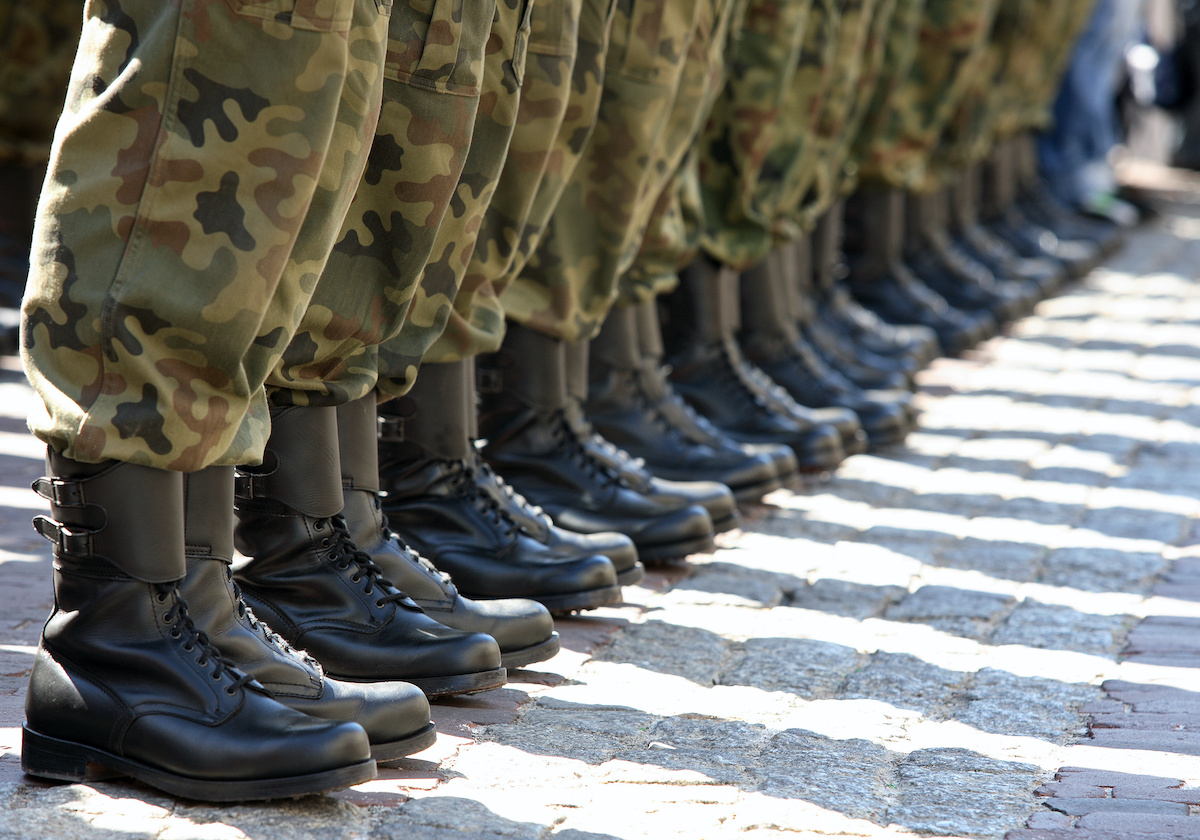
After the collapse of the Soviet Union, global military spending declined sharply, delivering a sizable peace dividend across countries. That trend has since reversed. Beginning in 2014—and accelerating after Russia’s annexation of Crimea—defense spending has risen steadily, particularly in advanced economies, reflecting intensifying geopolitical tensions.
This renewed increase in military spending has important implications for government budgets and economic growth prospects. Higher defense outlays can crowd out more productive social and investment spending, especially in countries with limited fiscal space. While defense and the maintenance of law and order are essential for the functioning of any economy—and military spending is often necessary to deter or counter external aggression—persistently high military budgets raise broader macroeconomic concerns. These include their implications for fiscal sustainability, expenditure composition, and potential spillovers to neighboring states, all of which fall within the scope of IMF surveillance.
Under IMF surveillance, staff engage with country authorities on issues that are macro-critical—that is, those that can significantly affect present or prospective balance-of-payments positions or domestic stability. In this blog, I report findings from a paper prepared for the IMF’s Independent Evaluation Office that assesses how IMF surveillance addressed military spending over the period 2008–2023. The main finding is that coverage—and the depth of discussion—has been uneven. In some high-spending, high-debt countries, military expenditures were examined in IMF assessments; in others, they were largely absent. Similarly, high levels of military spending were accommodated in some program contexts but not in others, giving rise to perceptions of uneven treatment.
IMF surveillance and military spending
Within the framework of IMF surveillance, staff discuss with country authorities, during regular consultations, issues that are macro-critical. Persistently high levels of military spending can have significant implications for a country’s fiscal position and external accounts.
At the same time, the IMF Executive Board has emphasized that national security considerations—including judgments about the appropriate level of military expenditure—are the sovereign prerogative of national governments and lie outside the IMF’s mandate. While the IMF may request data on military spending, the provision of such data is voluntary, and the Fund cannot impose lending conditionality related to military expenditures.
Coverage of military spending in IMF surveillance and programs
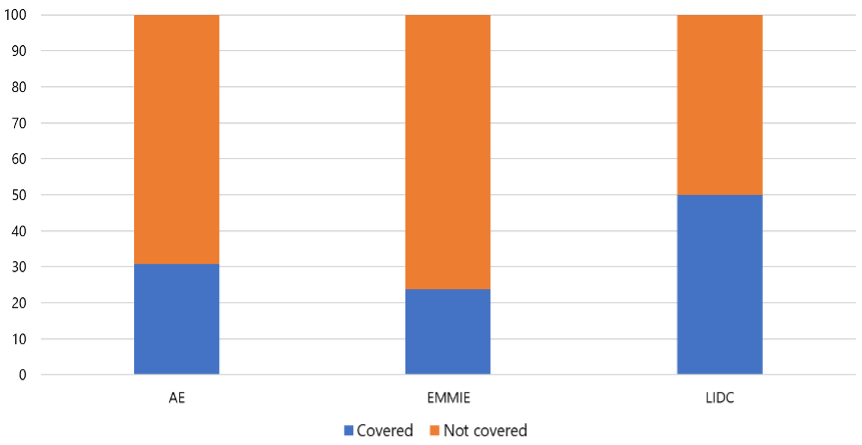
To assess how military spending has been treated in practice, IMF surveillance and program documents for 190 countries over 2008-2023 were reviewed, covering advanced economies (AEs), emerging market and middle-income economies (EMMIEs), and low-income developing countries (LIDCs). Overall, IMF reports discussed military spending in roughly one-third of countries during this period (Figure 1).
Figure 1. Military spending coverage in Article IV reports and program documents by country income group (2008-23)
(Percent of countries within each group)
Source: Drawn from IMF Article IV reports and program documents.
For AEs, how often military spending was covered in reports was proportionate to their share in the IMF membership. In contrast, LIDCs were covered more frequently relative to their share of IMF membership, partly reflecting the prevalence of fragile and conflict-affected situations (FCS) in this group. This pattern is not surprising: FCS typically allocate a larger share of their budgets to the military, and military spending is closely correlated with conflict. While FCS account for about 20 percent of IMF membership, they represented roughly 30 percent of countries in which military spending was discussed in IMF documents.
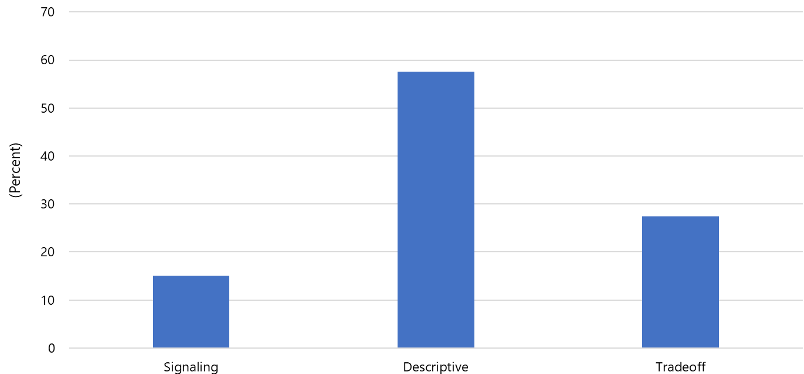
Where military spending was addressed, more than 70 percent of cases contained only limited references, ranging from brief mentions to factual descriptions of spending trends (Figure 2). The remaining 30 percent included substantive discussions of the macroeconomic tradeoffs associated with military spending. Such tradeoffs were discussed more in AEs and EMMIEs than in LIDCs. Among LIDCs, non-FCS were more likely to address these tradeoffs than FCS, despite the latter typically facing tighter fiscal constraints and devoting a larger share of public resources to the military.
The treatment of military spending in IMF-supported programs also varied across countries. In Ukraine, IMF advice recognized the need to accommodate exceptionally high military spending within macroeconomic targets. In contrast, in many FCS countries, sustaining high military outlays often required cuts in other current expenditures, including wages and subsidies, reflecting tight fiscal space and limited external financing.
Figure 2. Military spending coverage in IMF Article IV and programs by depth of coverage, 2008–23
(Percentage of total)
Source: Drawn from IMF Article IV reports and program documents.
Evenhandedness and transparency concerns
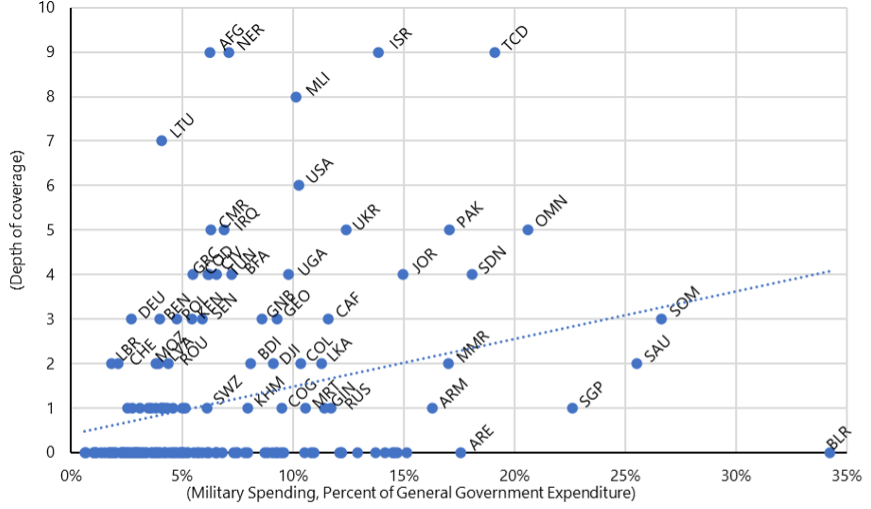
To assess evenhandedness, countries with above-average military spending shares during 2008–2023, combined with relatively high fiscal deficits and debt-to-GDP ratios, were examined. The results reveal inconsistent treatment across the IMF membership. In countries such as Israel, Niger, Chad, Oman, Afghanistan, Iraq, Lithuania, Mali, and the United States, military spending was discussed. In contrast, in countries such as Angola, Armenia, Azerbaijan, Bahrain, Belarus, Iran, Lebanon, Morocco, Syria, South Sudan, and Yemen—despite similarly high military spending shares and elevated fiscal pressures—it was not.
Where military spending was covered, differences in the treatment of security concerns—particularly between Ukraine and FCS countries reflected uneven treatment across countries. The depth of coverage varied widely. Using a scalar rating (1 for limited references, 2 for factual descriptions, and 3 for macroeconomic tradeoff analysis), I constructed a composite score capturing the intensity of analysis. As shown in Figure 3, military spending was not addressed at all in countries such as Belarus and the United Arab Emirates, while it was discussed in greater depth in countries such as Israel and the United States.
Figure 3. Depth of military expenditure coverage in IMF surveillance reports and program documents (2008-23)
Source: Drawn from Article IV reports and program documents.
Transparency issues related to military and security spending were also raised in several cases, particularly where defense outlays were financed through off-budget or extra-budgetary mechanisms. Following Russia’s war in Ukraine, extra-budgetary military spending expanded in several countries, including AEs, using diverse financing strategies—from defense bonds in Poland to reductions in national holidays in Denmark with the objective of generating additional revenues to fund defense outlays. Concerns were also raised about the extensive use of extra-budgetary funds in Germany, including for defense, which could undermine the credibility of the fiscal framework and increases fiscal risk over time. To enhance budget transparency in Israel, IMF staff recommended that US grants and related defense spending be fully reported in the budget. In Russia, the share of spending classified as secret for national security purposes increased significantly between 2013 and 2018.
Conclusion
Overall, the analysis shows that IMF surveillance addressed military spending unevenly over the 2008–2023 period, both across countries and in the depth of discussion. This unevenness reflects a combination of countries’ reluctance to engage on sensitive security-related issues and the discretion exercised by IMF staff in prioritizing macro-critical topics. As military spending remains elevated amid heightened geopolitical tensions and constrained fiscal space, ensuring a more systematic focus on its macroeconomic implications would help strengthen the evenhandedness and credibility of IMF surveillance.
I wish to thank Benedict Clements and Joao Jalles for helpful comments.
Topics
DISCLAIMER & PERMISSIONS
CGD's publications reflect the views of the authors, drawing on prior research and experience in their areas of expertise. CGD is a nonpartisan, independent organization and does not take institutional positions. You may use and disseminate CGD's publications under these conditions.
Thumbnail image by: U.S. Army photo by Spc. Peter Seidler