Recommended

What is the Global Advisory Panel on Skills (GAPS) trying to answer?
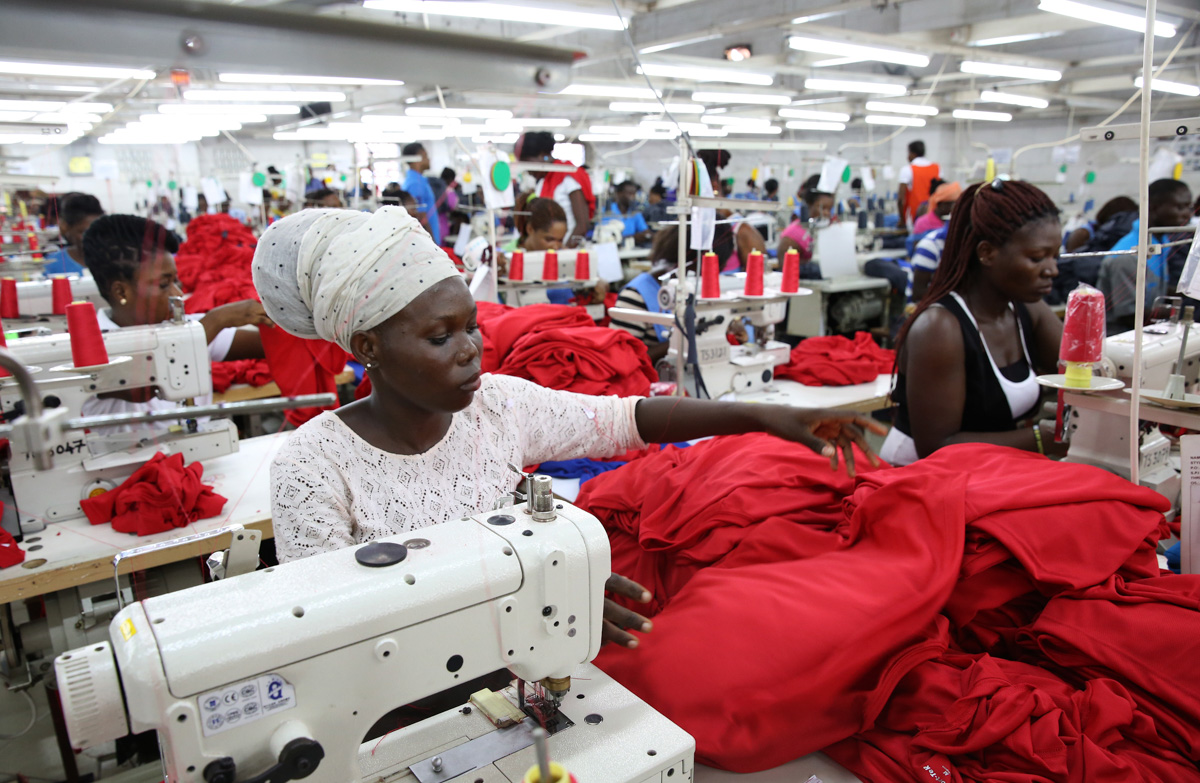
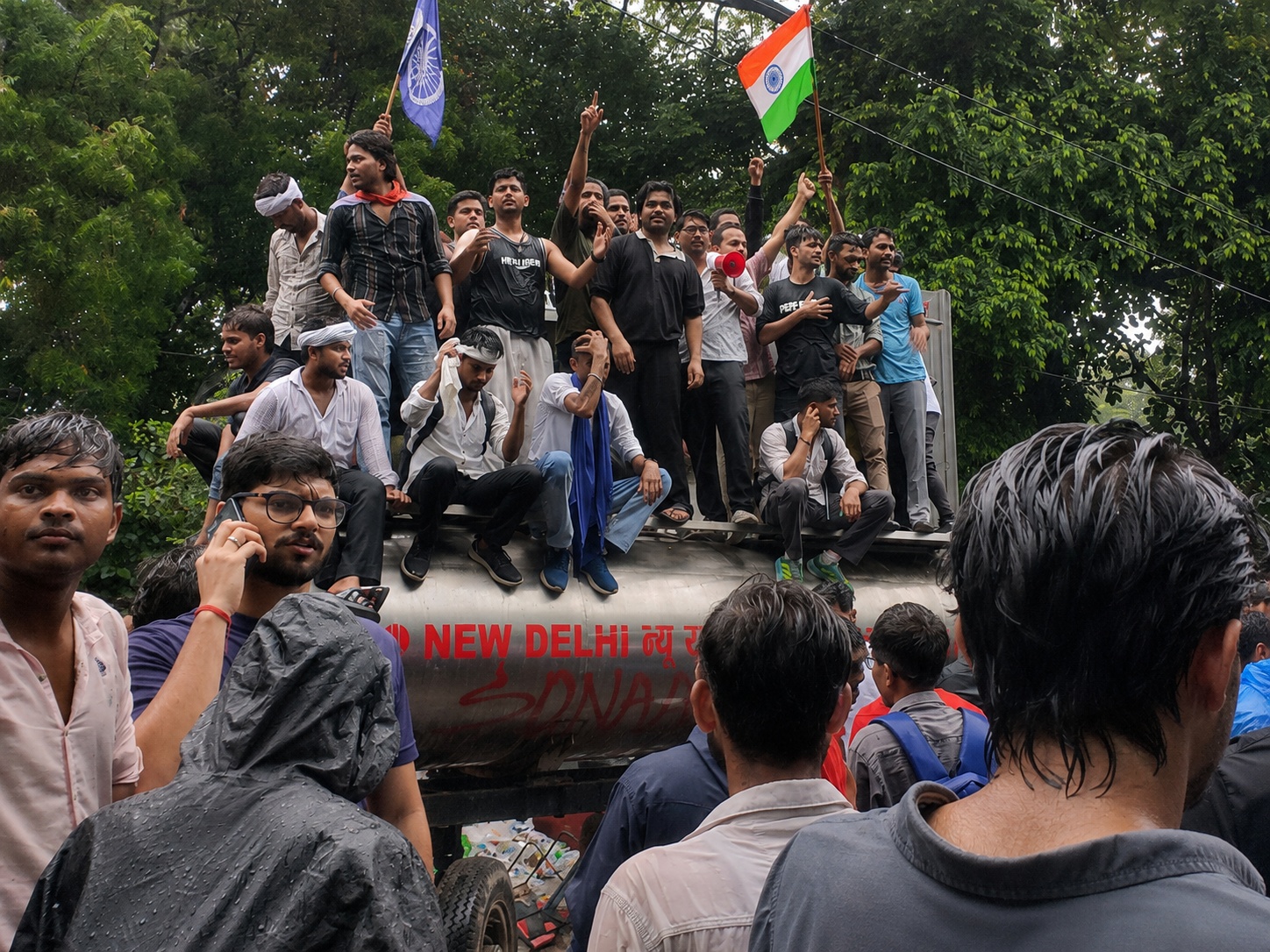
Many people in low- and middle-income countries (LMICs) lack the right skills for today's jobs, and too few have the enabling environment to put those skills to use. This gap will widen as climate change and rapid advances in digital technology and AI transform tomorrow’s jobs. The stakes are enormous. Over the next decade, 1.2 billion young people will enter the labor force, most without strong foundational skills, credentials, or support to help them succeed.
The result? A costly mismatch: millions of workers without the skills employers need, skilled workers not linked to relevant job opportunities, and jobs that go unfilled. Meanwhile, poverty reduction, despite a promising long arc of progress, has stagnated over the past decade. The consequences fall on individual livelihoods and on economies at large. Now, more than ever, equipping youth and adults with the right skills and connecting them to jobs is critical to raising incomes.
The good news is the boom in evidence on how to improve skills in the formal and informal workforce. Figure 1 shows that in 2013, there were almost no registered research studies with the American Economic Association (AEA) Registry on skills interventions and job matching for income generation in LMICs. Today, there are almost 800.
Figure 1. AEA registered studies on skills development interventions have surged from 2013 to 2026
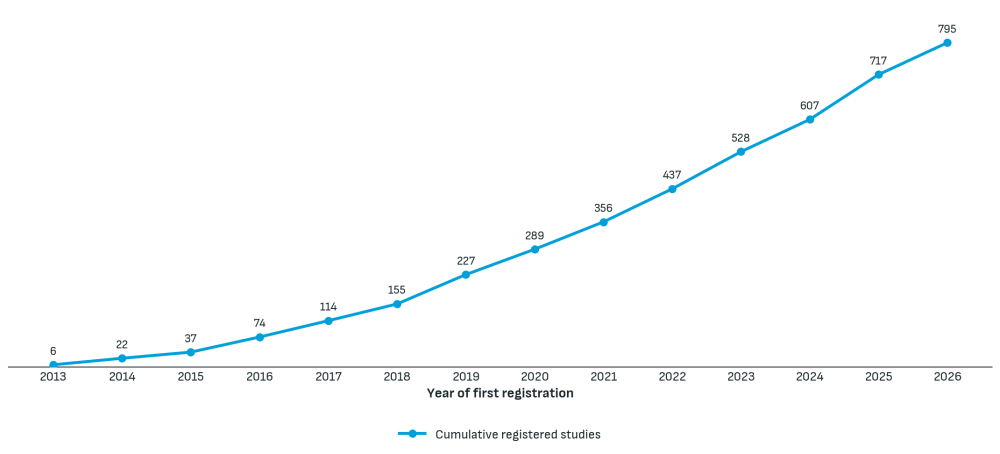
Note: Claude-generated graph using the AEA registry based on keywords related to the GAPS scope.
But more research doesn't automatically mean more clarity. Findings to date on these interventions are mixed, both in terms of whether they work and what return they provide on investment. Sorting through this evidence, curating high-return options that will work, and understanding the enabling conditions and complementary interventions needed to unlock impact is exactly what rapidly changing economies demand.
That's the gap the Global Advisory Panel on Skills (GAPS) is built to close.
CGD and the World Bank Group are teaming up to launch the GAPS, a new evidence-driven initiative that will help answer a critical question: which skills interventions deliver the greatest returns in income across LMICs?
Over the next two years, GAPS will conduct a systematic review of the empirical evidence on skills interventions and produce actionable recommendations on what works, in which contexts, for whom, and at what scale. This evidence initiative is part of CGD’s collaboration with the Smart Buys Alliance and contributes to the World Bank Group’s efforts to put skills and jobs at the heart of its business.
So how will GAPS actually do this?
GAPS follows a model that has already delivered results. The Global Education Evidence Advisory Panel (GEEAP) used the same approach to identify the most cost-effective ways to improve foundational learning. It pioneered the “Smart Buys” list that policymakers around the world now use to guide education spending. GAPS will build the equivalent for skills, pinpointing which interventions deliver the greatest returns in income.
While others have carried out mapping and synthesis efforts on skills evidence previously—for example, 3ie’s evidence gap map on technical and vocational education and training (TVET) and skills—our scope is broader. GAPS will start with four key areas:
- Training for people already in work: upskilling, reskilling, entrepreneurship courses, and farmer field schools
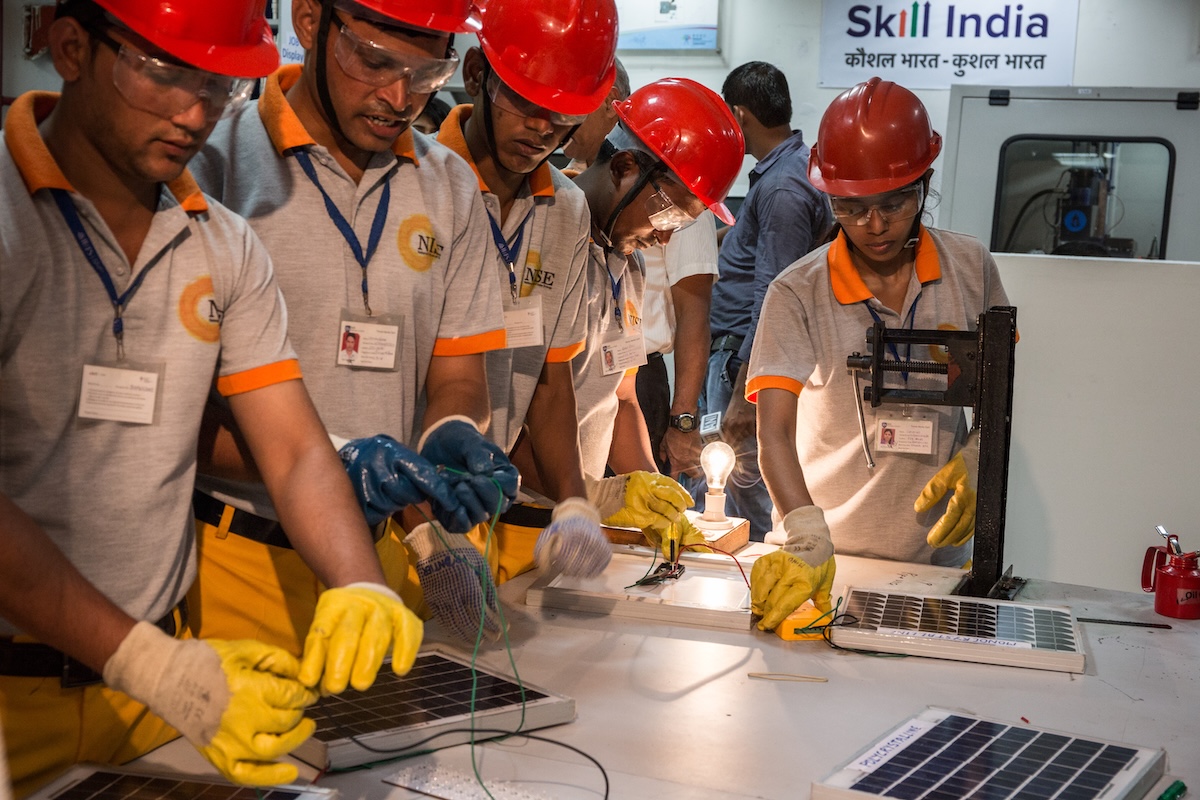
- Formal training routes into work: TVET, apprenticeships, and school-to-work programs
- Ways for workers to prove their skills: certification and signaling credentialing
- Programs that bundle training with broader labor market support: poverty graduation, cash plus, matching skilled workers to jobs, and complementary services
Critically, GAPS won’t just look at formal employment. It will cover informal work, agriculture, and self-employment, where most people in LMICs actually make their living.
Two groups will drive the GAPS work.
The GAPS Expert Panel is the intellectual engine. It comprises academics, evidence-savvy practitioners, and technical practitioners who will define the scope of the initiative and the systematic review. Given the inherently multidisciplinary and cross-sectoral nature of the evidence—spanning economics, education, gender, social protection, technology, psychology, and more—the panel is intentionally diverse. Members are drawn from low-, middle-, and high-income countries to ensure a breadth of contextual perspectives. Their job is to define the research scope, wrestle with complex evidence, and distill it into practical lessons with cost and scale in mind.
A similarly curated GAPS Steering Committee will be the driving force behind the initiative, comprising representatives of implementing organizations, private-sector representatives, technically oriented policymakers, and bilateral and multilateral organizations. The committee will lead outreach and engagement throughout the initiative’s lifecycle, ensuring that feedback from target audiences is reflected in the initiative's priorities and review scope. They will identify the right stakeholders, build partnerships, and help translate findings into action.
What’s next and how can you follow along?
Over the next 18 months, GAPS will deliver action-focused recommendations on skills interventions that policymakers can deploy to make a difference for today’s job seekers. The GAPS Expert Panel and Steering Committee will define the scope of the review, dig into the evidence, and zero in on the interventions that are genuinely cost-effective at scale. Along the way, blog posts and structured dialogue will share early insights. At the end, a short, accessible final report will lay out the recommendations and kick off a wider global conversation about how to invest in skills smartly.
The skills gap is real. But it is not inevitable. That is what GAPS is here to tackle. Stay tuned.
Working on skills? Have insights, evidence, or ideas to share? We want to hear from you. Reach out at [email protected].
| 
|
Topics
DISCLAIMER & PERMISSIONS
CGD's publications reflect the views of the authors, drawing on prior research and experience in their areas of expertise. CGD is a nonpartisan, independent organization and does not take institutional positions. You may use and disseminate CGD's publications under these conditions.