As former chief economists of the US and UK foreign aid agencies, our jobs were to advise on the most effective ways for money to be spent.
Now, as global aid budgets shrink and donor countries reconsider their approaches, we are calling for a radical simplification in how we do the portion of aid that focuses on service and transfer policies. By omission, we are not declaring efforts to improve macroeconomic outcomes such as growth as unimportant. The world is a big place, and there is no corner solution to the world’s problems.
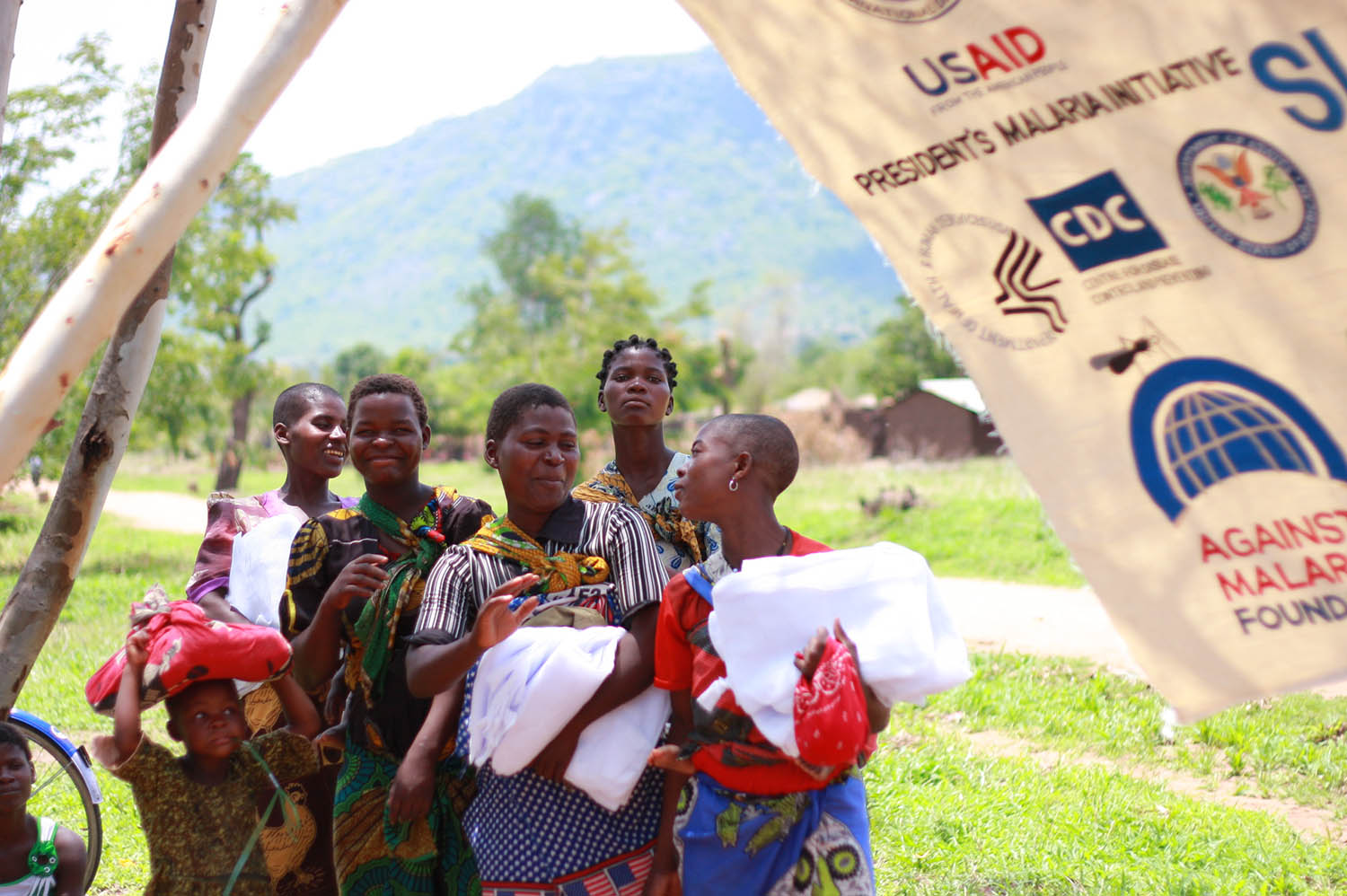
Things like providing nutritious food to malnourished children; distributing free anti-malaria bed nets; ensuring teachers have lesson plans; or giving cash to families have all been rigorously tested and provide incredible impact per dollar spent.
Countries and organisations that provide such aid must focus on just a few of these things, on a large scale.
This will ensure more of our money gets to the people who need it, and is spent on things which have been proven to be cost-effective. It also means the taxpayer will be able to see—and understand—what foreign aid is being spent on.
While many donors do fund this type of highly effective intervention, projects tend to be layered with dozens of different objectives and subprograms. A program that introduces better lesson plans may also add solar panels to schools and change how data is collected, for example. This makes projects expensive to design, hard to manage, and almost impossible to evaluate.
Yes, the poor often face multiple interconnected problems, but many interventions have been found to be effective in isolation. The assumption that adding more, often untested, interventions on top will improve outcomes is just that: an assumption. And often, a simpler project focusing on just one highly effective intervention can be rolled out at scale, while a complex project can be done in only a few places.
We need to admit we can’t fix every problem with one program and sometimes we can be more effective if we don’t try to.
Much aid today doesn’t deliver services directly but supports local governments to do more with their own budgets. Here too, we should be advocating for the proven, cost-effective interventions we know work, to help governments get the most bang for their buck (or quid, or shilling). That doesn’t just solve problems now—it reduces future reliance on aid.
To advance our call for simplified aid, we've joined with like-minded partners to launch the Smart Buys Alliance and promote the adoption of the world's most cost-effective development interventions.
Smarter aid won’t undo the damage of cuts. Improving service delivery won’t solve the macroeconomic constraints to inclusive growth. But if we focus on what works and keep it simple, we can still make a meaningful difference.