Presenter
Helen Dempster, Co-Director of the Migration and Displacement Programme and Policy Fellow, CGD
Panelists
Marcel Ricou, Senior Technical Advisor, Education and Skills, IREX
Merle Kreibaum, Senior Policy Officer, BMZ
Pablo Acosta, Lead Economist, Social Protection and Jobs Global Unit, The World Bank
Mohamed Karaouane, Director General, Morocco’s Transport and Logistics Training Institute (IFTL)
Moderator
Tracy Ferrier, Director, Skills Transform Ltd
L’interprétation simultanée sera disponible en français.
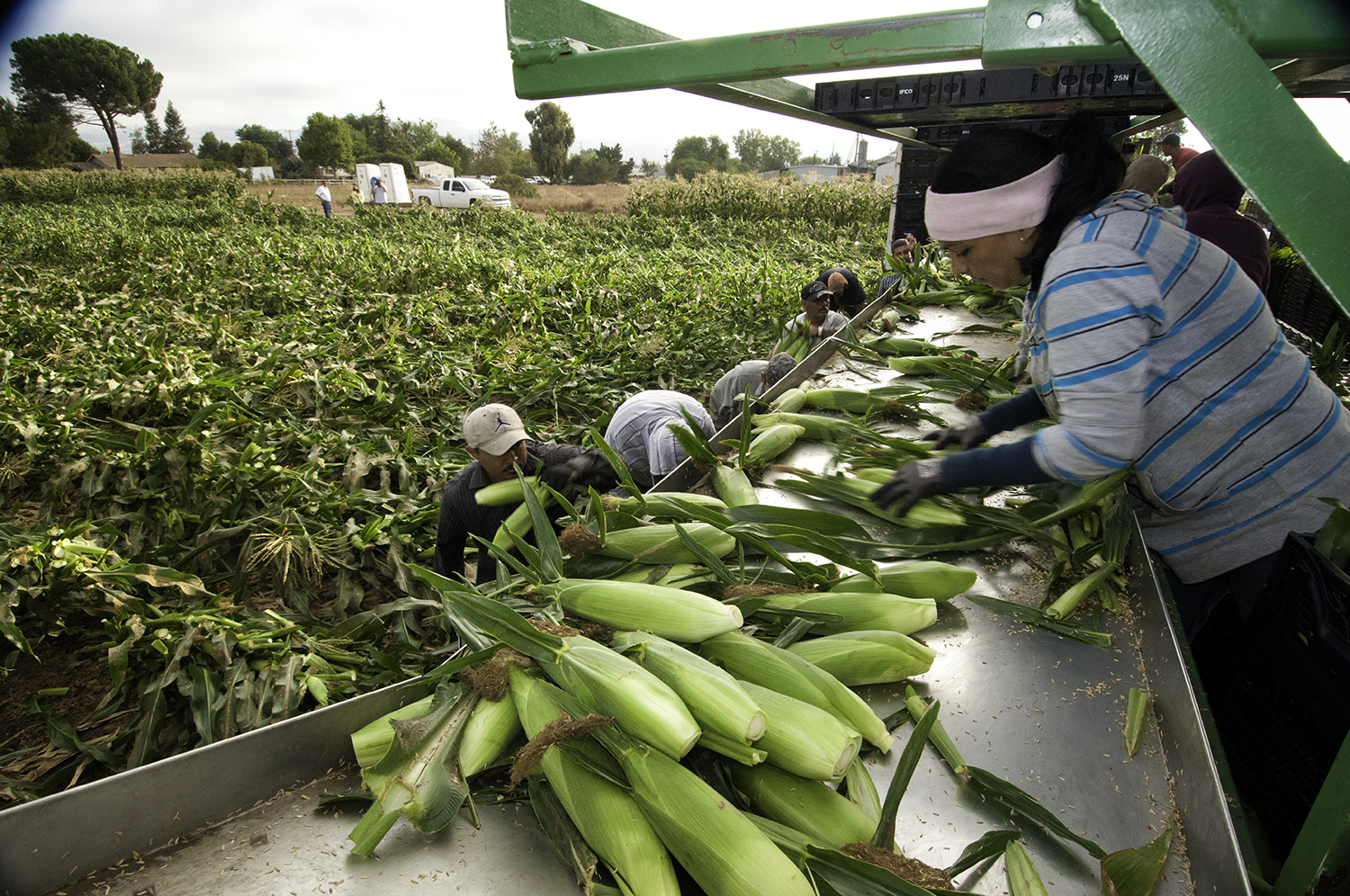
Technical and vocational education and training (TVET) is seen as critical in low- and middle-income countries struggling with high levels of unemployment and large skills gaps. As a result, over the last ten years, donors have spent billions of dollars on it.
Yet these investments have largely failed to deliver results. At the same time, donors are under increasing pressure to distribute “aid in the national interest”, ensuring their investments abroad also contribute to economic growth at home.
There is one way forward: a “win-win”. Donors could support some graduates of existing TVET programmes to access legal labour mobility pathways. Doing so would improve TVET programmes in low- and middle-income countries, while also supporting employers and economic growth in high-income countries. The definition of “aid in the national interest”.
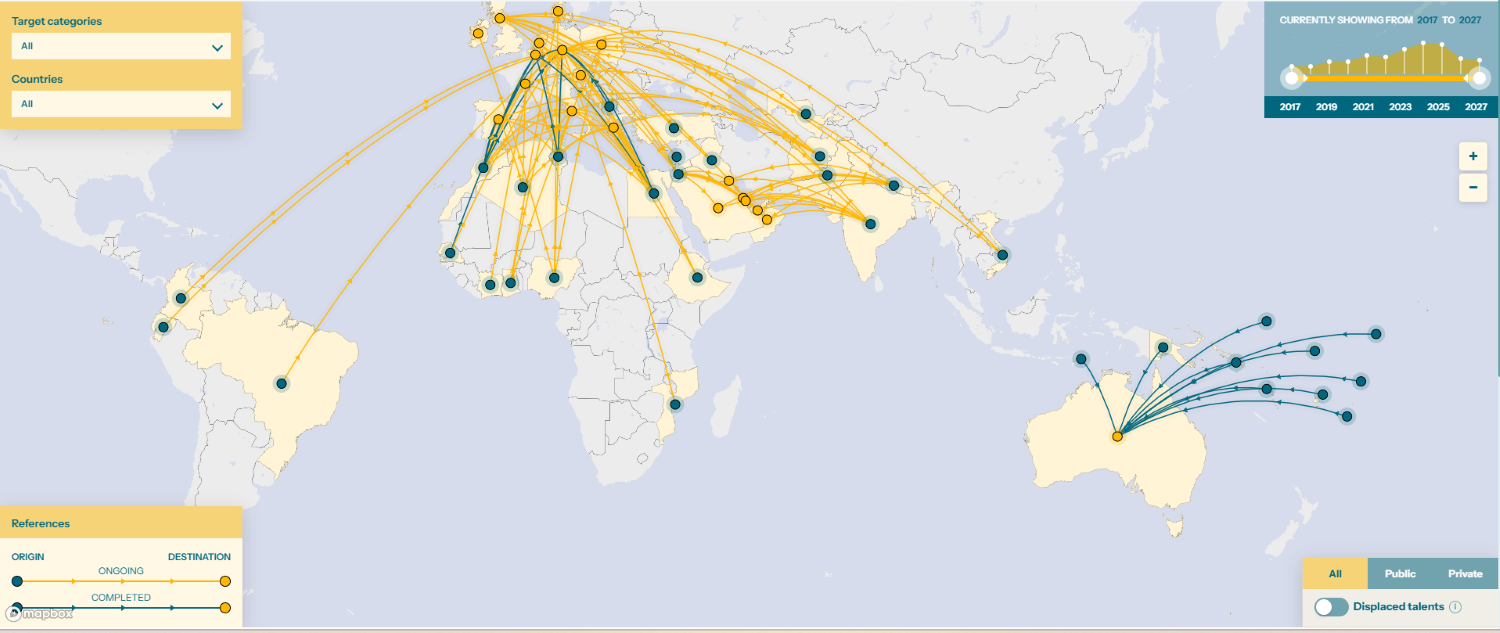
This event will launch new research from CGD and IREX which outlines why donors should link labour mobility and TVET programming; how they can do so in practice; and where there are “investment-ready” TVET institutions ready to take advantage of these opportunities.
Related Work
-
Blog Post
Make Aid Work at Home and Abroad: Link Vocational Training and Labor Mobility
Helen Dempster et al.February 24, 2026 -
POLICY PAPER
A Landscape Analysis of Green Skills TVET Providers
Marcel Ricou et al.February 24, 2026 -
POLICY PAPER
Exploring Donor Investments in Green TVET
February 24, 2026