You are here

Topics:
Expertise
Health financing and payment, results-based financing, social protection, conditional cash transfer programs, noncommunicable disease, maternal and child health
Bio
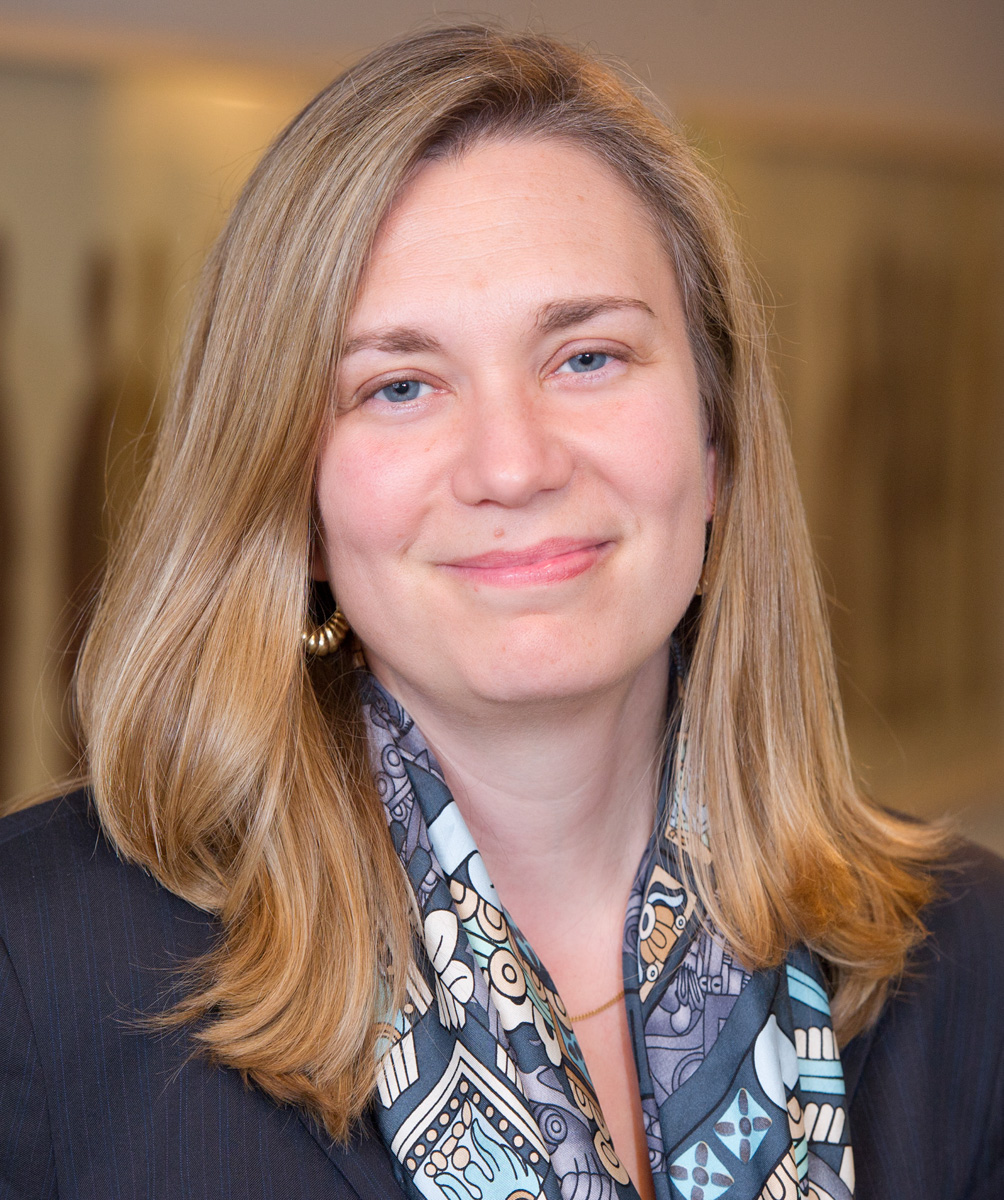
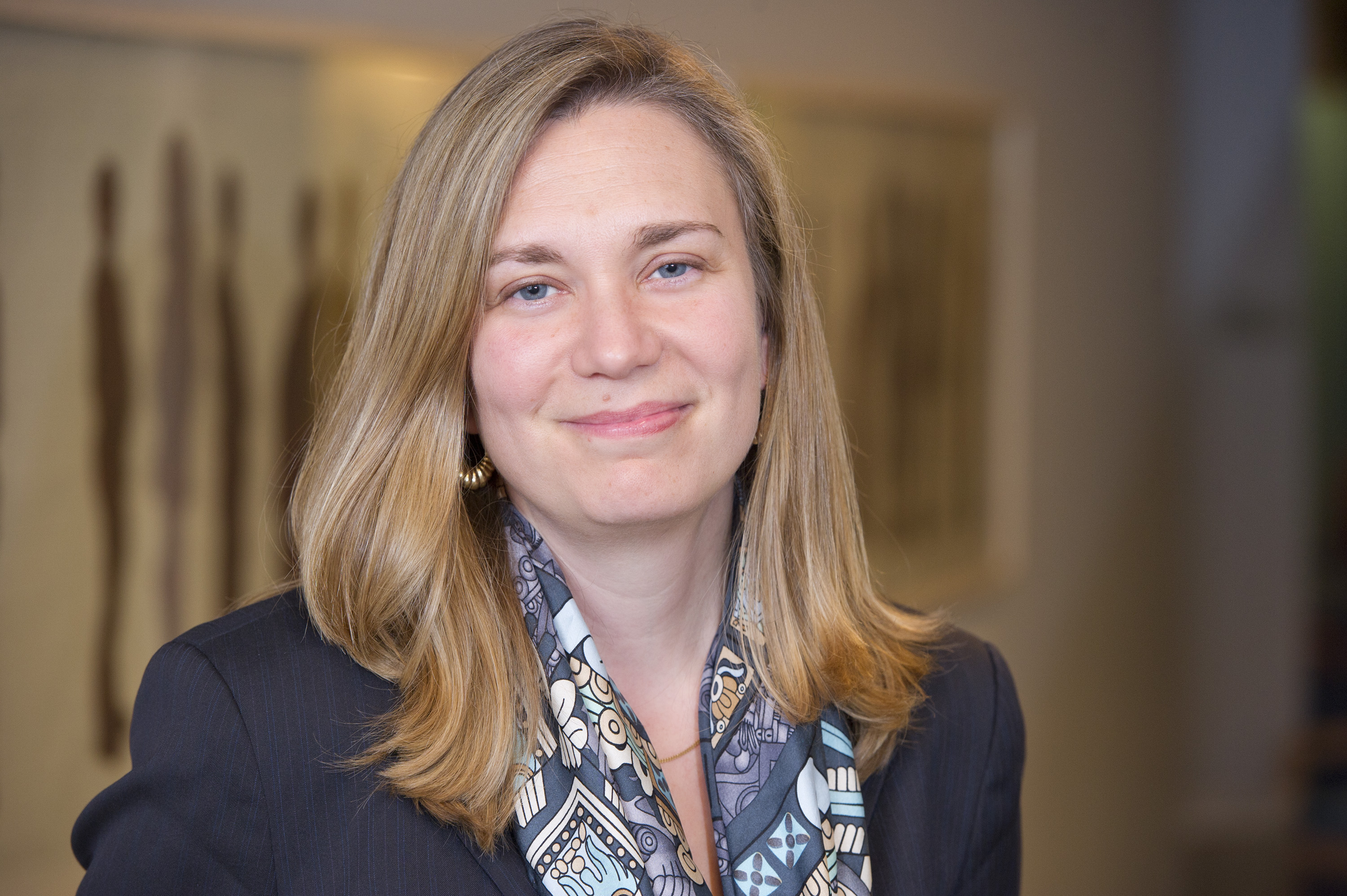
Amanda Glassman is executive vice president and senior fellow at the Center for Global Development and also serves as chief executive officer of CGD Europe. Her research focuses on priority-setting, resource allocation and value for money in global health, as well as data for development. Prior to her current position, she served as director for global health policy at the Center from 2010 to 2016, and has more than 25 years of experience working on health and social protection policy and programs in Latin America and elsewhere in the developing world.
Prior to joining CGD, Glassman was principal technical lead for health at the Inter-American Development Bank, where she led policy dialogue with member countries, designed the results-based grant program Salud Mesoamerica 2015 and served as team leader for conditional cash transfer programs such as Mexico’s Oportunidades and Colombia’s Familias en Accion. From 2005-2007, Glassman was deputy director of the Global Health Financing Initiative at Brookings and carried out policy research on aid effectiveness and domestic financing issues in the health sector in low-income countries. Before joining the Brookings Institution, Glassman designed, supervised and evaluated health and social protection loans at the Inter-American Development Bank and worked as a Population Reference Bureau Fellow at the US Agency for International Development. Glassman holds a MSc from the Harvard School of Public Health and a BA from Brown University, has published on a wide range of health and social protection finance and policy topics, and is editor and coauthor of the books What's In, What's Out: Designing Benefits for Universal Health Coverage (Center for Global Development, 2017), Millions Saved: New Cases of Proven Success in Global Health (Center for Global Development 2016), From Few to Many: A Decade of Health Insurance Expansion in Colombia (IDB and Brookings 2010), and The Health of Women in Latin America and the Caribbean (World Bank 2001).

More From Amanda Glassman

I’ve spent a lot of time in international meetings talking about the importance of universal health coverage (UHC), and the technical and practical considerations needed to bring UHC closer to reality. But missing from these discussions is acknowledgement – if not guidance – around UHC’s complex political economy; that when we spend more on health, more is at stake for all the actors in the system.
The Global Fund’s New Funding Model (NFM) was approved by its Board more than a year ago, representing what the Fund’s Director Mark Dybul called “a new beginning” to “achieve greater impact in the lives of people affected by HIV and AIDS, TB and malaria.
Universal health coverage (UHC) is now firmly on the global health agenda, and carries with it the ambitious goal of providing “access to key promotive, preventive, curative and rehabilitative health interventions for all at an affordable cost.” So where do we start? A critical first step to delivering on the aspirations of UHC is deciding which services and policies to prioritize and make available. While resources for health care are growing, they are not infinite and hard choices must be made.
The High Level Panel on the Post-2015 Development Agenda calls for a “data revolution,” a new international initiative to improve the quality and scope of statistics and information available to citizens and policymakers.
A recent article shows that removing fees for health care in rural Ghana has no impact on health. These results are strikingly similar to another recent study that found expanding the US Medicaid insurance program in Oregon also had no impact on physical health (my colleague Victoria Fan and I even wrote a similarly-titled blog about it here – Déjà vu!)
Pages
We would argue that investing in global health, at least along certain dimensions, is entirely consistent with President Trump’s philosophy of America First—a real opportunity for his administration to improve the security of the American people by pushing through some much-needed reform. In that spirit, we’ve put together a proposal for a new executive initiative under the Trump Administration. We call it PAHAA: Protecting America’s Health at Home and Abroad.
“Many of those displaced still haven't returned home.
This blog was co-authored with Orin Levine, Executive Director, International Vaccine Access Center, Johns Hopkins Bloomberg School of Public Health and it will be cross-posted on his Huffington Post blog at www.huffingtonpost.com/dr-orin-levine
In low- and middle-income countries, children living in poverty are much less likely to be vaccinated and more likely to die or become ill from a vaccine-preventable disease than better-off children. An example comes from Nigeria, where less than 5% of children in the lowest quintile of the wealth distribution were fully vaccinated in 2003, as opposed to 40% of children in the wealthiest quintile. (For more on inequalities in health, see here)
The Family Planning 2020 (FP2020) initiative hit its midpoint this year, about four years after its launch by global health leaders in 2012. Set up to “expand access to family planning information, services, and supplies to an additional 120 million women and girls in 69 of the world’s poorest countries by 2020,” the initiative has faced the usual cat herding challenges that go along with its expansive mandate to recruit new funding commitments, track actual spending, coordinate donors and country actions, report on trends in contraceptive prevalence and other FP2020 goals, serve as a clearinghouse for data and knowledge, work with countries to do better planning, and serve as a global voice and advocate.

Commentary Menu