You are here

Topics:
Expertise
Health financing and payment, results-based financing, social protection, conditional cash transfer programs, noncommunicable disease, maternal and child health
Bio
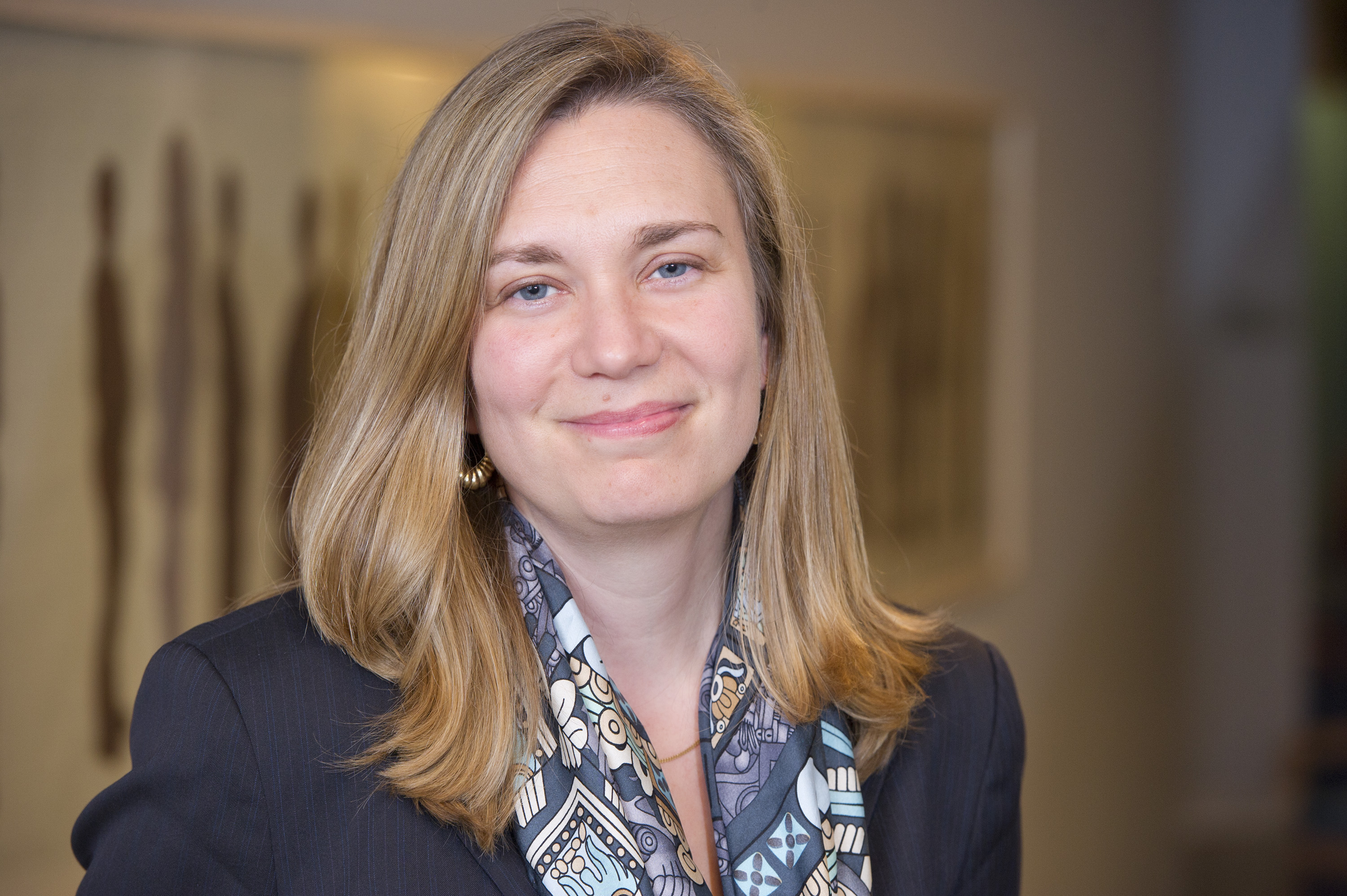
Amanda Glassman is executive vice president and senior fellow at the Center for Global Development and also serves as chief executive officer of CGD Europe. Her research focuses on priority-setting, resource allocation and value for money in global health, as well as data for development. Prior to her current position, she served as director for global health policy at the Center from 2010 to 2016, and has more than 25 years of experience working on health and social protection policy and programs in Latin America and elsewhere in the developing world.
Prior to joining CGD, Glassman was principal technical lead for health at the Inter-American Development Bank, where she led policy dialogue with member countries, designed the results-based grant program Salud Mesoamerica 2015 and served as team leader for conditional cash transfer programs such as Mexico’s Oportunidades and Colombia’s Familias en Accion. From 2005-2007, Glassman was deputy director of the Global Health Financing Initiative at Brookings and carried out policy research on aid effectiveness and domestic financing issues in the health sector in low-income countries. Before joining the Brookings Institution, Glassman designed, supervised and evaluated health and social protection loans at the Inter-American Development Bank and worked as a Population Reference Bureau Fellow at the US Agency for International Development. Glassman holds a MSc from the Harvard School of Public Health and a BA from Brown University, has published on a wide range of health and social protection finance and policy topics, and is editor and coauthor of the books What's In, What's Out: Designing Benefits for Universal Health Coverage (Center for Global Development, 2017), Millions Saved: New Cases of Proven Success in Global Health (Center for Global Development 2016), From Few to Many: A Decade of Health Insurance Expansion in Colombia (IDB and Brookings 2010), and The Health of Women in Latin America and the Caribbean (World Bank 2001).

More From Amanda Glassman
This is a joint post with Erin Collinson.
President Obama will deliver his 2014 State of the Union speech Tuesday, January 28. We polled CGD experts to find out what they’re hoping to hear when the president addresses Congress and the nation. Check out their oratorical contributions below and read about the development-related decisions and policies they would like to emerge in support of the rhetoric.
The White House got the new year off to a promising start by announcing their nomination for the next US Global AIDS Coordinator: Dr. Deborah Birx, who currently serves as Director of the Division of Global HIV/AIDS in the CDC’s Center for Global Health.
The New York Times recently drew attention to Big Tobacco’s use of international trade and investment agreements to undermine anti-tobacco policies in low- and middle-income countries.
Yesterday the World Bank and the Global Fund announced a stronger partnership for health centered around an innovative aid mechanism, results-based financing (RBF). This partnership is precisely what our CGD report More Health for the Money recommended (see the chapter on designing contracts).
PEPFAR is at a critical turning point in its decade-long existence. The next US Global AIDS Coordinator is uniquely positioned to set the course for the program’s future. A change in leadership at the President’s Emergency Plan for AIDS Relief creates an opportunity to ask questions about the organization and reflect in more general terms on the US response to the global AIDS epidemic.
The Global Fund to Fight AIDS, TB and Malaria will host its fourth replenishment meeting this week in Washington, DC where it’s hoping to raise $15 billion to support its work for the next three years. On the eve of the replenishment, the BBC will air a 30-minute segment on its show Panorama titled “Where’s Our Aid Money Gone” that – judging by the synopsis – will likely take a more critical view of the Global Fund than much of its recent press (see here, here, and here).
Pages
It’s that magical time of the year when we bring you the top 10 most read entries on the CGD Global Health Policy Blo
Family planning is back with a bang, thanks to this week’s London Summit. The event, several months in the making, was the brainchild of the UK government and the Bill & Melinda Gates Foundation, in partnership with the UNFPA. According to early reports, the Summit was a resounding success, raising $4.6 billion in commitments from government donors, NGOs, and international foundations. With these funds, donors have pledged to provide access to contraceptives for an additional 120 million women and girls, which they believe could prevent 200,000 maternal deaths, and stop 3 million infants from dying in their first year of life.
Global health funders have historically focused their aid on countries with the lowest per capita incomes, on the assumption that that’s where most of world’s poor people live. In recent years, however, many large developing countries achieved rapid growth, lifting them into the ranks of the so-called middle-income countries, or MICs, even though they are still home to hundreds of millions of very poor people. Andy Sumner has called the poor people in the MICs a “new bottom billion,” as distinct from the bottom billion in poor and fragile states that Paul Collier wrote about in his popular 2007 book.


Commentary Menu