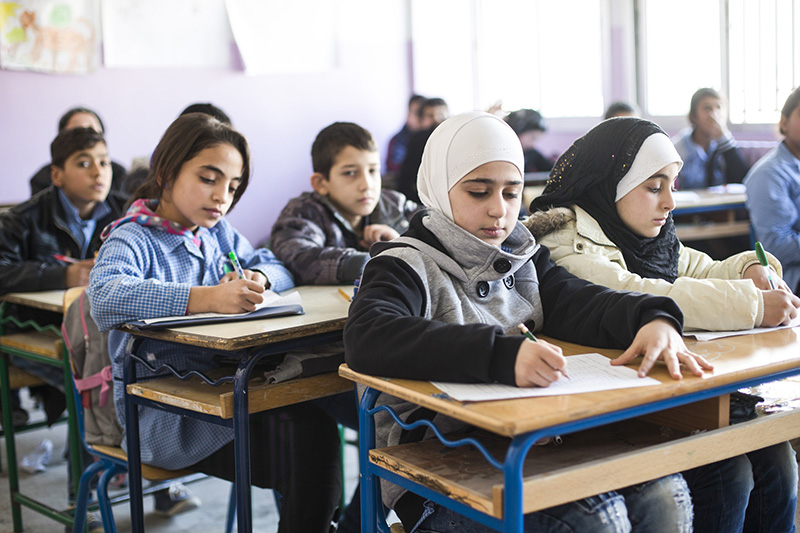
There is a global shortage of health workers. Demand for nurses outstrips supply as systemic underinvestment in training meets ballooning needs due to aging in rich countries and population growth in poor ones. A Global Skills Partnership combines training funded by donors with pre-agreed arrangements for qualified graduates to work temporarily overseas, usually in the donor country. This paper shows through one hypothetical example how a GSP for a specific sector (nursing) financed by a specific donor (the UK) delivering training in a specific country (Malawi) addresses critical nursing shortages in both countries. The Partnership would help the NHS meet urgent needs in the UK. It would increase the number of health workers to fill vacancies in Malawi, so it will not cause ‘brain drain.' And it would dramatically raise nurses’ incomes and augment their skills, boosting both Malawi’s economy and the quality of its healthcare. A conservative benefit-cost calculation shows the scheme would provide very large financial benefits and represents extremely competitive value for money for UK Aid.