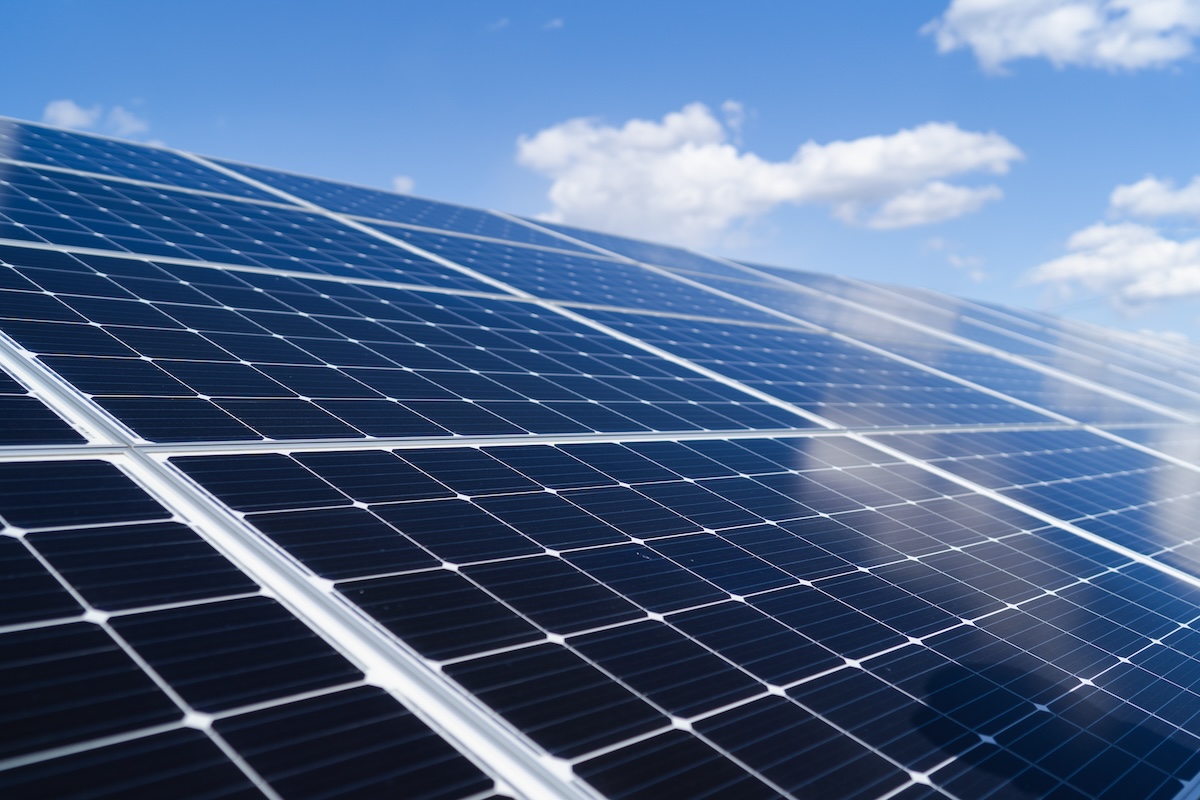
On Wednesday, World Bank President Ajay Banga announced that the Bank will pursue an “all of the above” approach to energy projects in poor countries, including lending for natural gas, geothermal, hydroelectric, solar, wind, and nuclear power. This marks a departure from its current policy of funding only renewables (with a few exceptions). It is a move that is long overdue and should be approved quickly by the Bank’s board.
Even as the United States and European nations used as much oil, coal, and gas as they liked, they refused to allow the Bank to fund energy projects in poor countries if they ran on fossil fuels. Germany insisted on a ban on fossil fuel financing even as its own coal plants emitted four times more carbon than Pakistan, Uzbekistan, Laos, and Bangladesh combined. Norway, while exporting more natural gas to address Europe’s acute energy shortage, led the charge to eliminate fossil fuel projects. These actions incurred no cost to Norway and Germany’s domestic constituents.
The actions of the Bank’s richest shareholders weren’t just hypocritical. By ignoring African heads of states’ pleas for financing energy projects beyond wind and solar, they did harm to the Bank’s core mission of alleviating poverty. The Bank’s own surveys showed that low-emitting poor countries preferred financing for health, education and infrastructure over climate mitigation. It was not surprising that African officials applauded when US Energy Secretary Chris Wright promised that unlike previous administrations, he would not dictate to Africans which energy technologies they must use or what to do with their own resources. “It’s a paternalistic, post-colonial attitude I just can’t stand.”
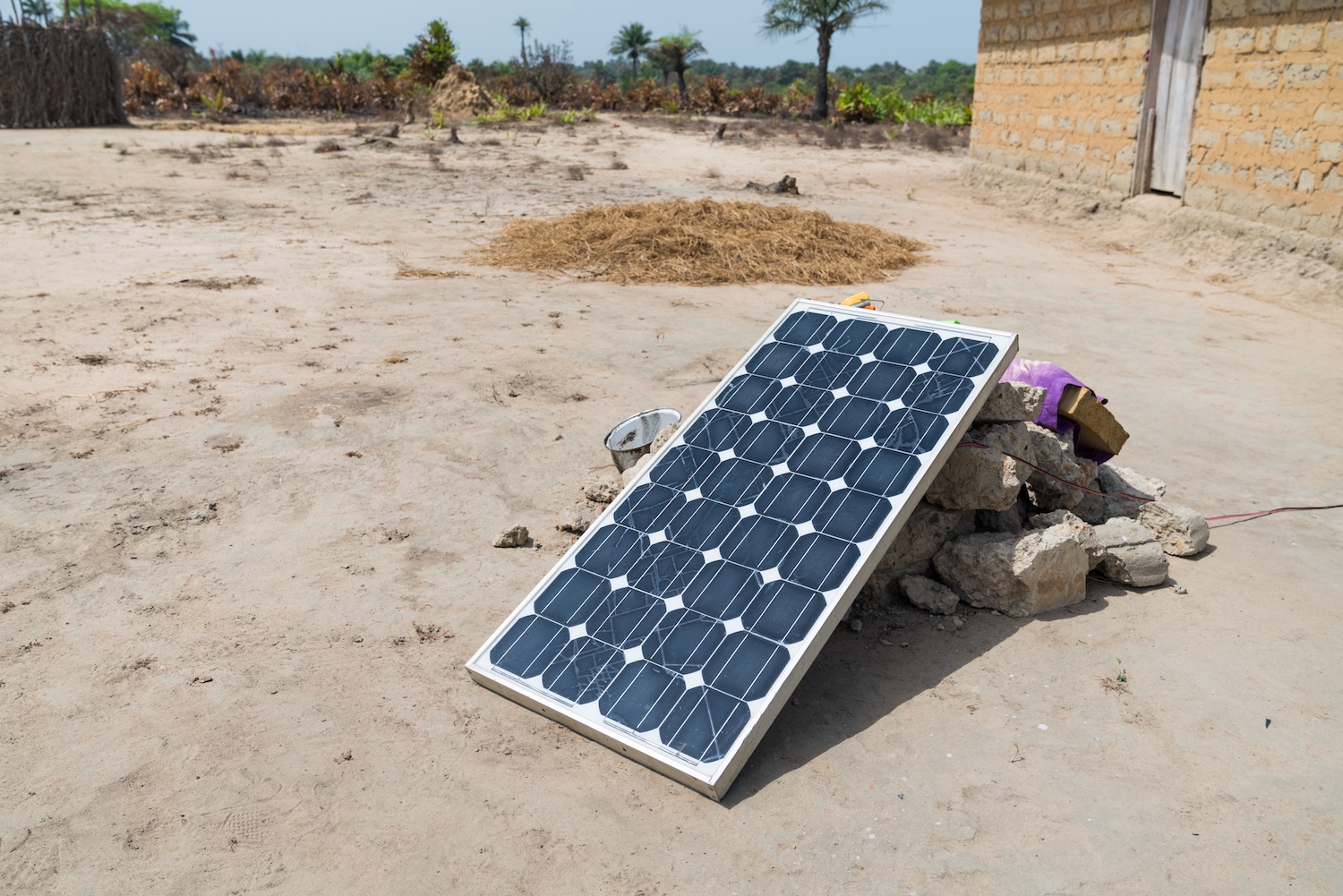
It is hard to overstate the problem of energy poverty in poor countries. The average person in Nigeria consumes 182 kilowatt-hours a year, about 70 times less than the average American. The number in Uganda is just 114 kilowatt-hours. In Chad, it is only 20. What does energy poverty like this mean to real people? It means a few lights or a small fan at home but no refrigerator, water heater, or safe cookstove. It means that there isn’t enough electricity for schools and hospitals to function properly. It means fewer jobs and lost opportunities for millions of talented young people. It means that poor people stay poor.
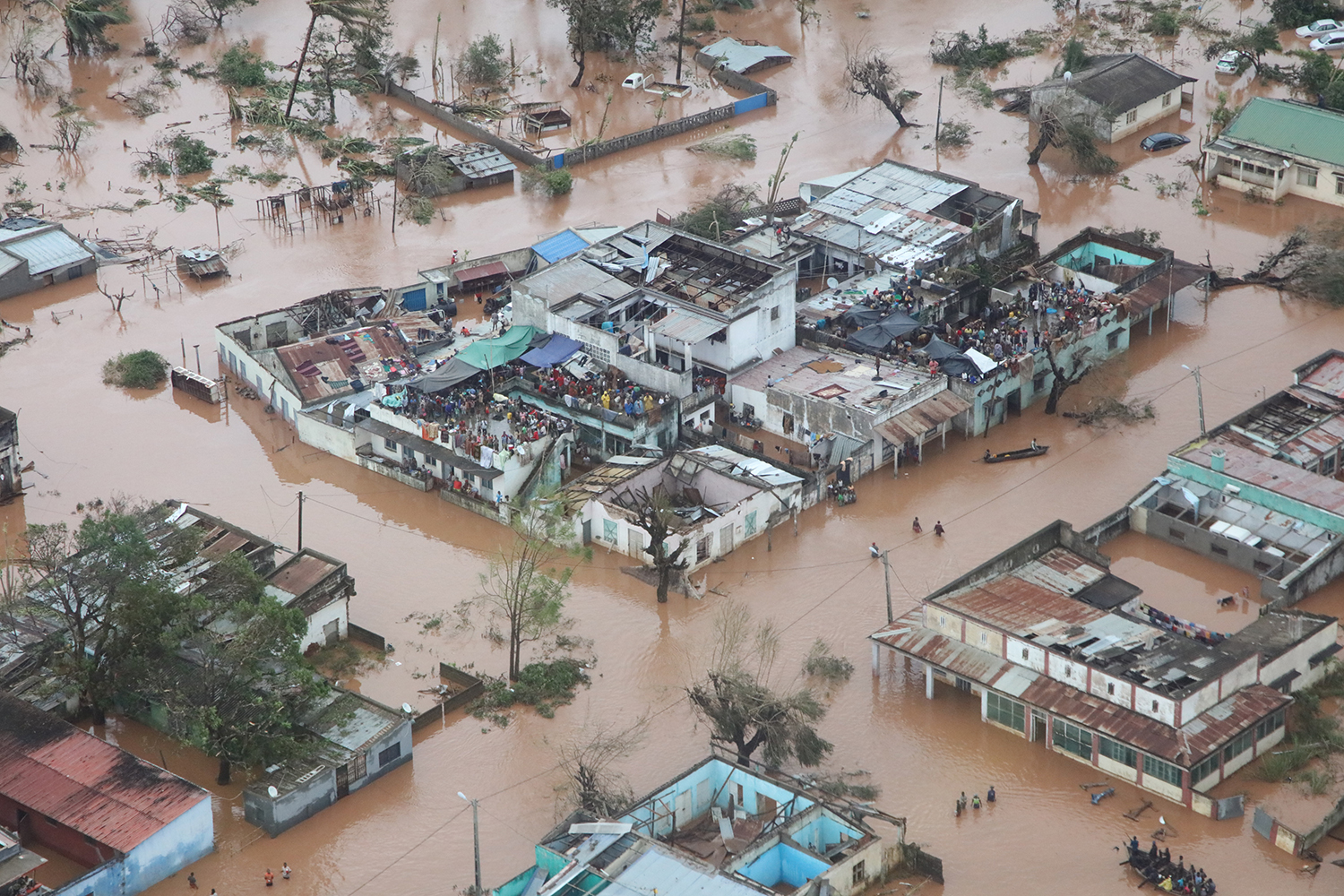
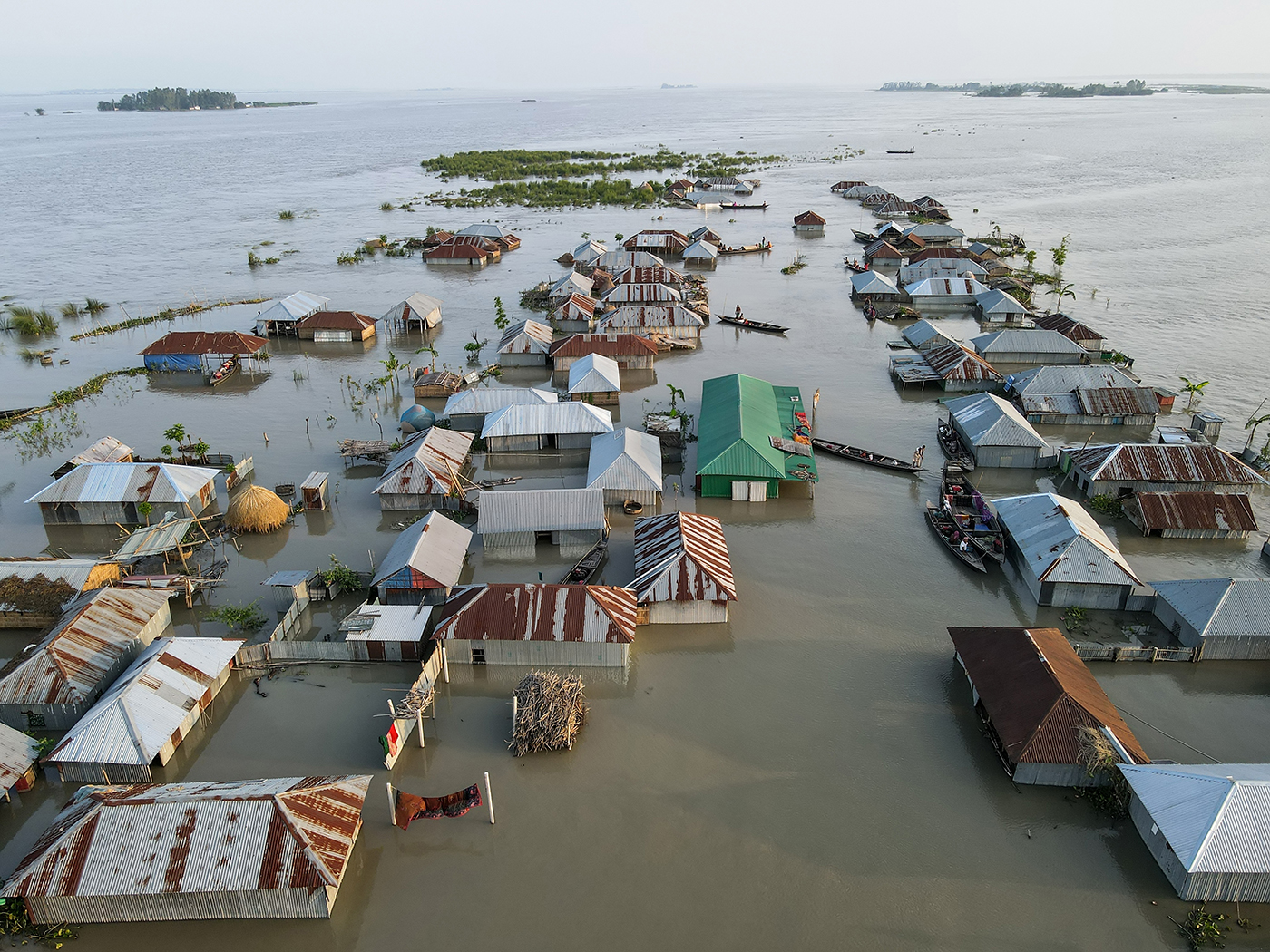
Poor countries will need increasing amounts of cheap and reliable energy to adapt to weather and climate shocks. As natural disasters worsen, they will need more concrete and steel to build resilient roads and schools. As temperatures rise, they will need air conditioning and cold storage for food and medicines. As droughts become more common, they will need pumped irrigation, fertilizer, and desalination. All the energy that poor people need won’t make climate change worse. The abundance of hydro, geothermal, solar, and wind power means that poor countries in Africa and Asia are on a much less carbon-intensive path than the Bank’s richest shareholders. The poorest 64 countries in the world contribute less than 5 percent of global emissions.
The financing of nuclear power projects is a big step for the World Bank, one that could potentially bring clean, safe, and continuous energy to millions of people. Lifting restrictions on financing for natural gas, abundantly available in Africa, must be celebrated as well. Natural gas played a key role in the energy transition of the United States and can lift countries out of poverty. Gas fuels power plants, provides a backup to variable wind and solar, and is one of the cheapest and most efficient feedstocks to produce fertilizer. Liquefied petroleum gas (LPG) is a far cleaner cooking fuel than wood or charcoal and can benefit millions of women and children who bear the burden of household responsibilities. The World Health Organization estimates that 3.8 million people die prematurely each year from illnesses linked to household air pollution, often caused by burning wood or charcoal. Cooking with biomass results in more deaths than tuberculosis, malaria, and HIV/AIDS combined.
For more than a decade, poor countries have suffered the consequences of unnecessary and unjust restrictions imposed upon them by rich countries. That must end now. Poor countries need cheap, safe, reliable, and continuous energy to power homes, schools, hospitals, and factories. The World Bank’s “all of the above” approach to financing energy projects is a step in the right direction.