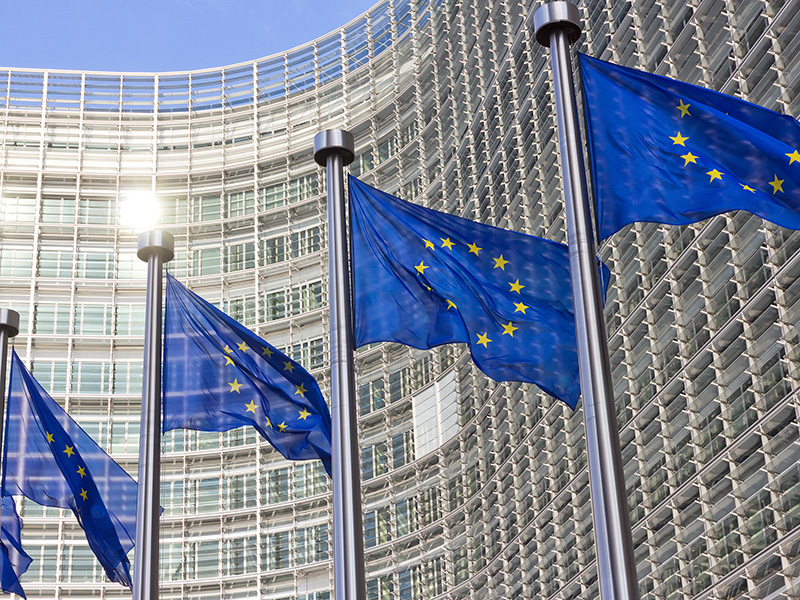
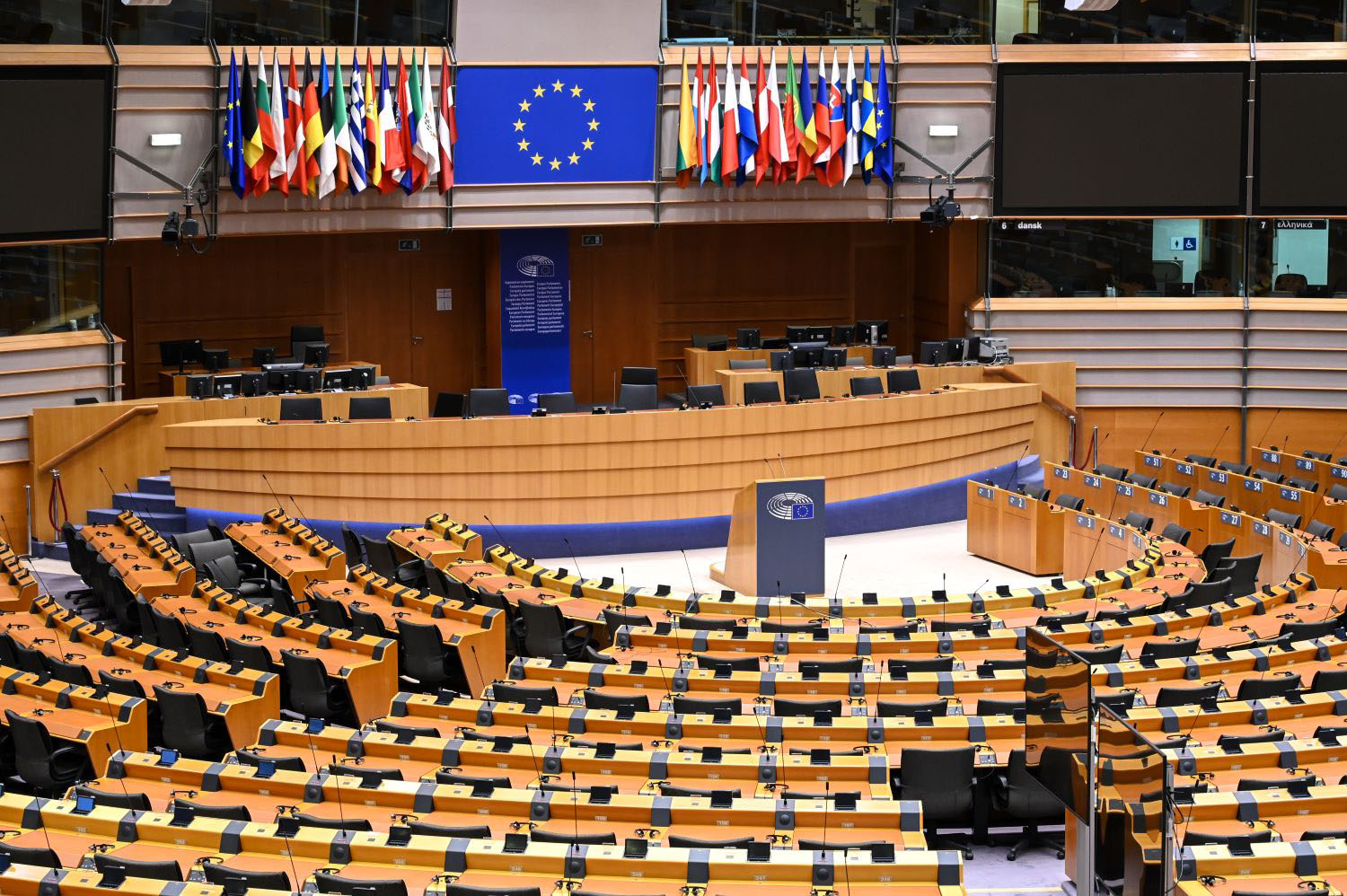
As 2026 begins, the European Union (EU) finds itself in a challenging position: exposed, stretched and increasingly on its own. Despite years of projecting influence globally through development aid, enlargement and diplomacy, the bloc appears increasingly isolated, facing geopolitical headwinds, squeezed budgets, security threats, and shifting priorities for both allies and partners.
For the EU’s global role, 2026 may mark a turning point: either a continued slide toward narrow, transactional partnerships or a deliberate effort to rebuild credibility as a long-term, reliable global actor.
Mounting security challenges and a narrowing worldview
The war in Ukraine is at the centre of the EU’s international strategy, and as the conflict enters its fifth year, the prospect of peace remains elusive. Hybrid warfare—disinformation campaigns, drones, cyberattacks, and other infrastructure sabotage—is drawing the conflict closer to home. In 2025 alone, drone sightings disrupted major European airports, hybrid threats prompted temporary border closures in Eastern Europe, and alleged submarine incursions unsettled the Baltic region.
In response, EU Member States have massively ramped up investment in defence, intelligence and civil protection. But this has come at a cost. Investments in global partnerships and development cooperation have been squeezed, undermining Europe’s international standing precisely at a moment when it cannot afford to lose allies. This dynamic was visible at the EU–AU summit in November 2025, where European leaders’ attention was drawn away by a US announcement of a peace plan proposed for Ukraine.
The US National Security Strategy, released in late 2025, seemingly tried to undermine the bloc’s cohesion and contradicted anyone still holding onto assumptions about the transatlantic relationship. Subsequent actions and rhetoric from the US—from unilateral coercive operations abroad to renewed assertions over Greenland—have reinforced a new reality:
Europe can no longer take Washington’s support or even reliability as an ally for granted. In 2026, strategic autonomy is an unavoidable necessity.
Aid cuts and conditional partnerships
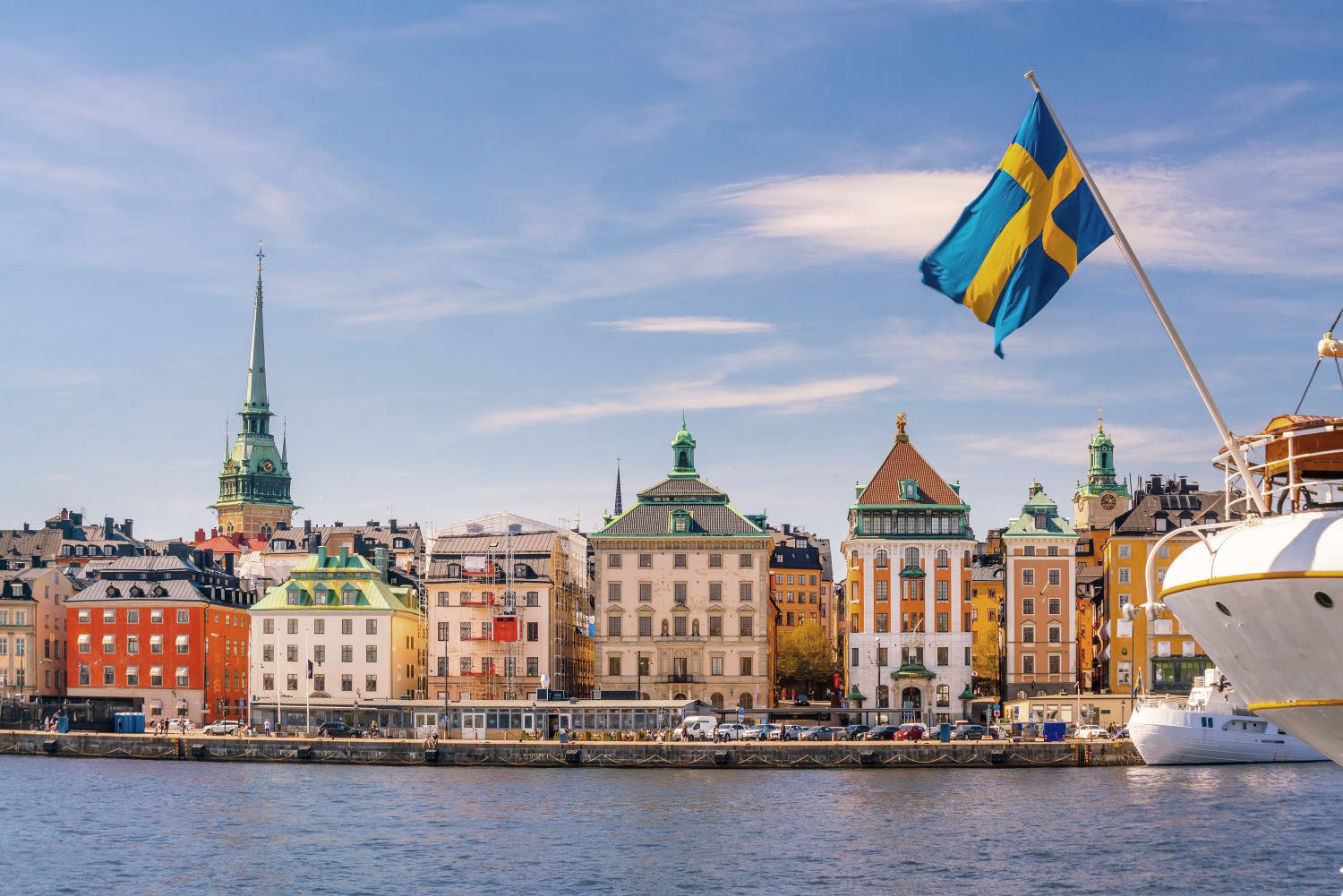
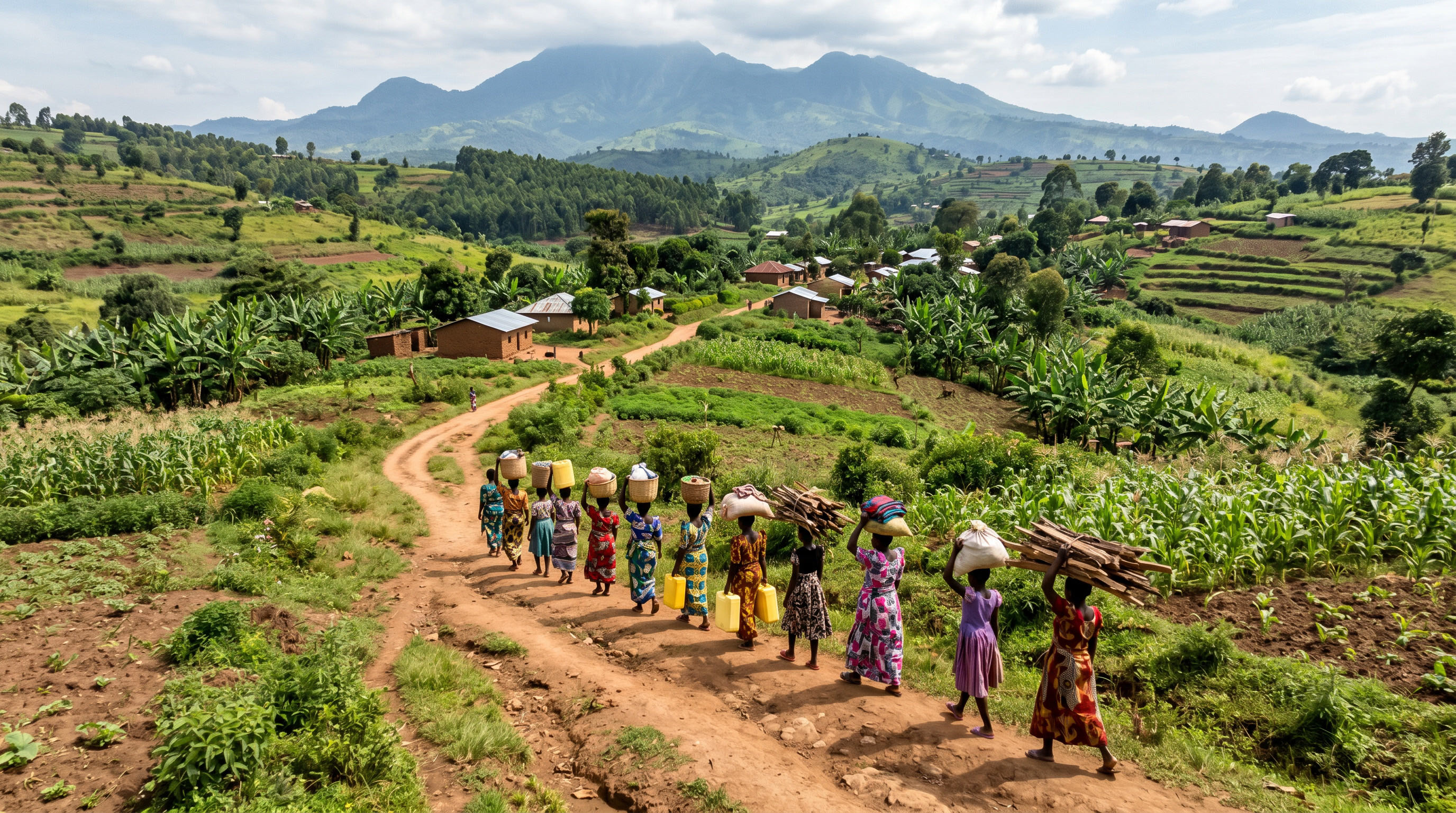
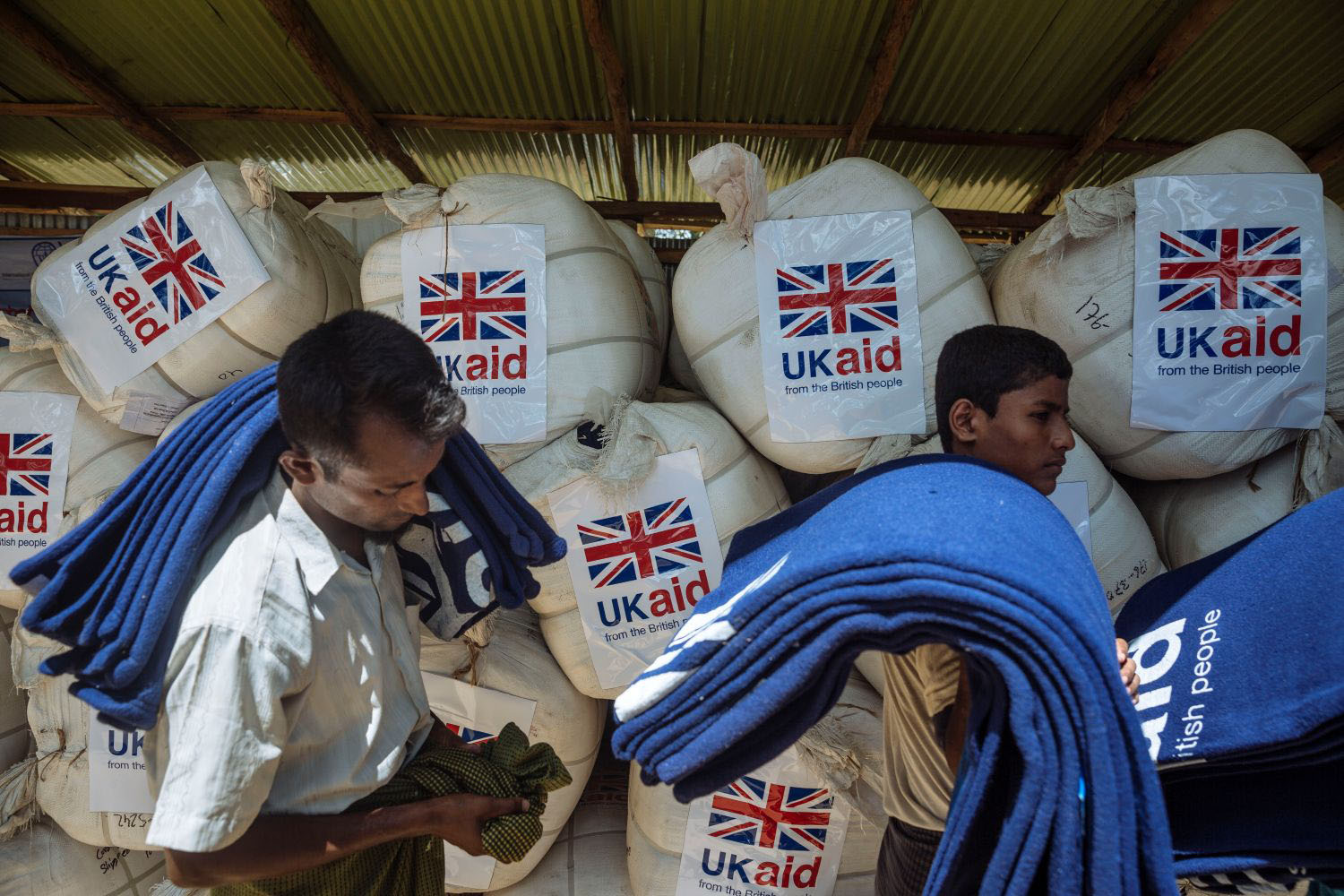
Against this backdrop, many EU Member States are retreating from international development assistance. Countries that have long supported aid to vulnerable countries are now redirecting resources toward Ukraine and defence. For instance, Sweden has announced plans to phase out development aid to several countries in 2026 to increase support to Ukraine. Germany, Belgium, Switzerland and others have already cut their aid budgets.
These decisions are not just technical reallocations; they reflect a deeper shift. Development cooperation is increasingly being treated as a tool for short-term interest rather than long-term investment in stability, prosperity and trust.
Could the EU, as the biggest provider of official development assistance (ODA) collectively, step up? So far, the signs are not encouraging. Despite rhetoric on a unique and strategic partnership with Africa, for instance, the EU’s flagship offer to partner countries—the Global Gateway—places European interests at its core. Its projects are often lacking commitments to local value addition, social sectors, and long-term institutional capacity building. Of the EU’s 256 Global Gateway flagship projects announced between 2023 and 2025, the overwhelming majority focus on climate and energy. Health and education together account for less than one-fifth of the projects. These are precisely the sectors where grants and concessional finance matter most—especially for the poorest countries. Yet, they are increasingly sidelined in favour of large-scale investments that align closely with European commercial and strategic interests.
At the same time, EU partnerships are becoming more conditional. In December, the EU linked its trade preference scheme for poor countries to cooperation on migration returns, mirroring proposals to introduce aid-migration conditionality in the next EU budget. For low-income countries, the result is a shrinking pool of predictable finance combined with growing political conditionality—narrowing policy space and eroding the idea of partnership altogether.
This shift comes at exactly the wrong moment. The multilateral system is under severe strain. Humanitarian crises—from Gaza to Sudan—are stretching capacity to breaking point as funding dries up. Fragility in the EU’s neighbourhood and beyond is fuelling displacement, insecurity and geopolitical competition. Rather than “taking what it can” in the short term, the EU would be better served by rebuilding credible, long-term partnerships that prioritise shared development outcomes, institutional capacity, and reliability, assets that cannot be secured through leverage alone.
Key moments and what’s at stake
Several moments in 2026 will test whether the EU can change course.
Support for Ukraine: With US support phasing out, pressure will continue to mount on Europe to shoulder more of the burden—financially, militarily and politically. In late December, European leaders decided to grant Ukraine a EUR 90 billion interest-free loan to cover Ukraine's military and budgetary needs for the next two years. The loan will be backed by the bloc's common budget. As discussions on security guarantees as part of the peace plan continue, Ukraine’s prospective EU membership is increasingly part of Europe’s longer-term security architecture. In 2026, the extent to which a credible accession pathway can be aligned with a future peace settlement will test the EU’s capacity to balance strategic ambition with internal constraints on enlargement.
Protracted crises: With overlapping crises and shrinking budgets, the EU will face hard choices about whether to sustain a strategic, preventive approach to fragility, or accept a world of permanent crisis management.
Next EU Budget: Negotiations over the next Multiannual Financial Framework (MFF) will be one of the most consequential political battles at the EU level in the coming years. The balance struck between defence and security spending on the one hand, and climate action and global cooperation on the other will reveal whether development cooperation is seen as expendable, or as a core pillar of European security and prosperity.
Member state politics and EU divisions: Domestic political developments will further test EU cohesion. Key elections are coming up in two EU member states: in Hungary in April or May and in Sweden on 13 September. Both will be closely watched as indicators of the strength of populist parties, particularly on migration. In parallel, the new government in Czechia, notably more sympathetic to Moscow, could complicate the EU’s unity on continued support for Ukraine further. Added to this, uncertainty around France’s budget and broader economic outlook may affect the internal power balance within the EU. Together, these dynamics risk deepening divisions at precisely the moment when collective action and strategic clarity are most needed.
The choice ahead
So where does that leave the EU at the start of 2026? Broadly, the Union faces a choice: continue drifting toward short-term, interest-driven engagement or recommit to global cooperation as a strategic investment in shared stability and prosperity. The former points towards managed retreat: a future in which member states continue to prioritise defence, support for Ukraine, and internal resilience, while global engagement and development cooperation are steadily scaled back. In this scenario, the EU narrows its ambitions, focusing on protecting its borders, its territorial and economic security, and becoming more inward-looking and reactive in a turbulent world.
The alternative is a path of strategic reinvention. Acknowledging a more uncertain transatlantic relationship, the EU could choose deeper integration, stronger collective defence and a clearer geopolitical vision that does not depend on US leadership. Central to this approach would be a renewed commitment to multilateralism and global solidarity, investing in long-term partnerships, and shifting from transactional leverage to genuinely co-developed solutions.
Which of these trajectories ultimately prevails will not be dictated by geopolitics alone. It will hinge on political choices made at home—on budgets, political will, and the degree of solidarity both within Europe and beyond.