As the United States assumes the presidency of the Group of 20 (G20), it has outlined three priorities: unleashing economic prosperity by limiting regulatory burdens, unlocking affordable and secure energy supply chains, and pioneering new technologies and innovations. There is one reform that cuts across all three: bringing transparency to the power purchase agreements (PPAs) that govern how private providers generate and sell electricity worldwide.
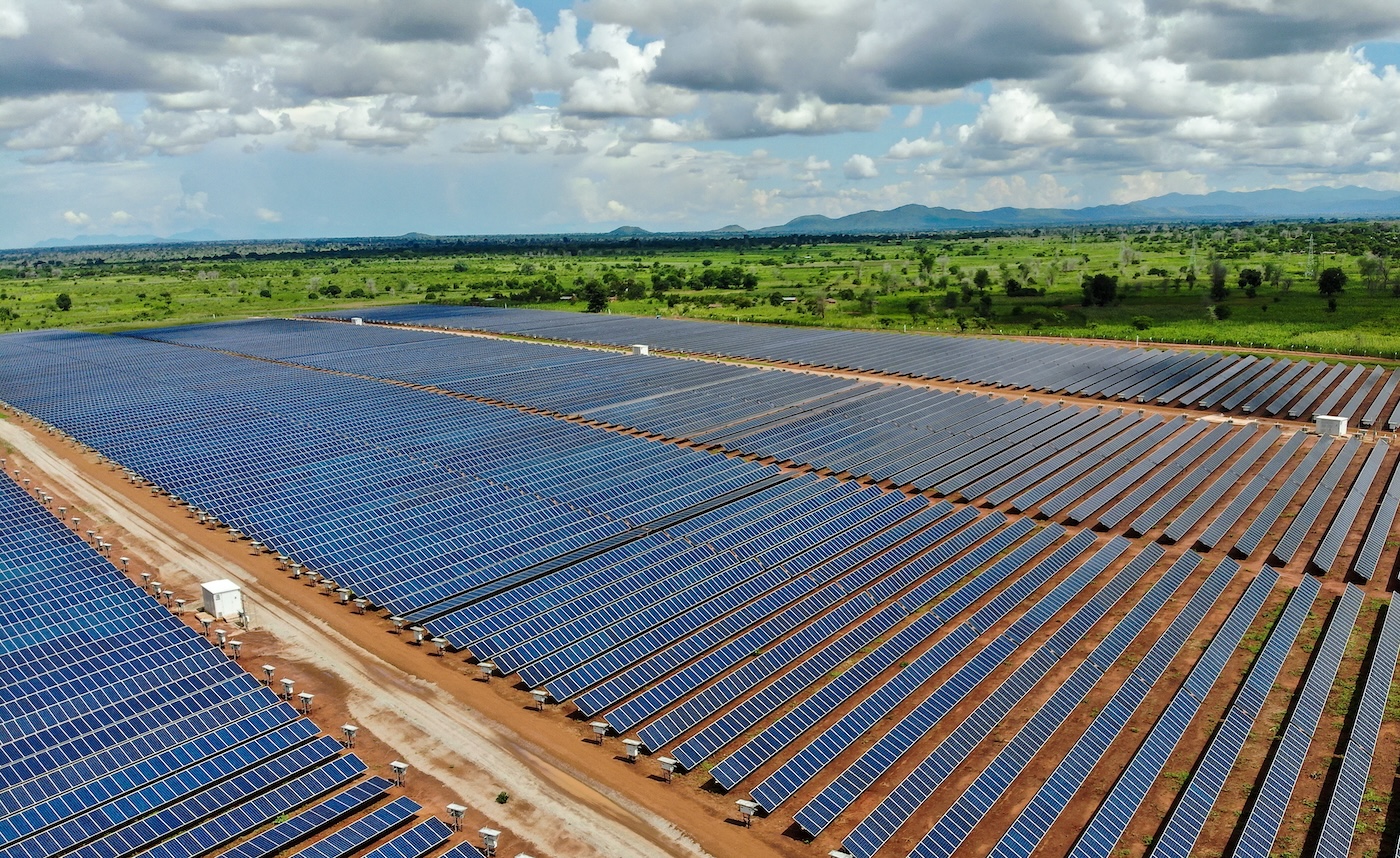
PPAs are the backbone of electricity markets in many emerging economies. These long-term contracts, usually between governments or parastatal transmission companies and private producers, determine terms and prices for electricity generated in power stations. Yet, in most countries, these contracts are secret.
Ghana’s recent experience with PPAs illustrates how that can go wrong. A series of non-transparent, politically driven contracts left the country with excess generation capacity it did not need and take-or-pay obligations to buy power it could not afford. Of 32 PPAs in force, almost all were awarded by direct negotiation rather than competitive tender. One emergency contract—a deal for a 250-megawatt gas plant—was approved at roughly twice the cost of comparable projects. By 2018, unused capacity charges alone cost the government $320 million a year, a figure projected to rise to $620 million as new plants came online. Cumulative sector debt reached $2.7 billion, equivalent to a third of the government’s annual tax revenue. Such was the secrecy around the deals that Members of Parliament had to go to court to compel the government to disclose their details.
The US G20 agenda identifies excessive regulatory burdens as a drag on prosperity. Transparency can both be a tool for less regulation—substituting stakeholder oversight for bureaucratic control—and for more effective regulation. When contract terms are public, markets can self-police: investors benchmark pricing, civil society flags outliers, and regulators and legislators can focus their limited capacity on making open competition work better rather than dealing with the fallout from opaque, bespoke, and non-competitive contracting.
Again, the US G20 priority of pioneering new technologies is far more straightforward when transparency creates a knowledge base of what works. Open contract data enables price discovery, allowing new entrants to understand what fair terms look like and to bid competitively. Standardized, publicly available model contracts also speed up the deal-making process itself, reducing the months of negotiation that currently delay projects in emerging markets.
Because PPA transparency can help grow the market for electricity provision, it is a win for power firms worldwide, who can compete for more business and do so on the basis of being good at producing cheap, reliable power rather than on connections and backroom deals. And transparent contracts will face less risk of delay, political backlash, renegotiation, or cancellation.
The G20 is uniquely positioned to act: its members are major power purchasers, and home to many of the multinational firms that bid on PPAs. In the US, PPAs are already largely transparent. And a number of G20 emerging markets are already leaders when it comes to releasing information in PPA terms—in Brazil, for example, electricity is procured through a competitive bidding process and all contracts are public documents. The UK—the next president of the G20— could help sustain momentum in 2027 given its significant role in previous international transparency initiatives.
If the G20 were to back the creation and implementation of a global disclosure standard for power purchase agreements, perhaps through commissioning and then building on the recommendations of an independent panel, it could encourage multilateral banks and development finance institutions as well as G20 member bilateral financing arms to adopt disclosure as part of policy advice and lending standards and conditions. PPA transparency costs nothing but could deliver considerable global benefits that closely align with the US presidency’s priorities.