We have spent decades trying to remove lead from paint, but we haven’t paid attention to other sources of exposure closer to children.
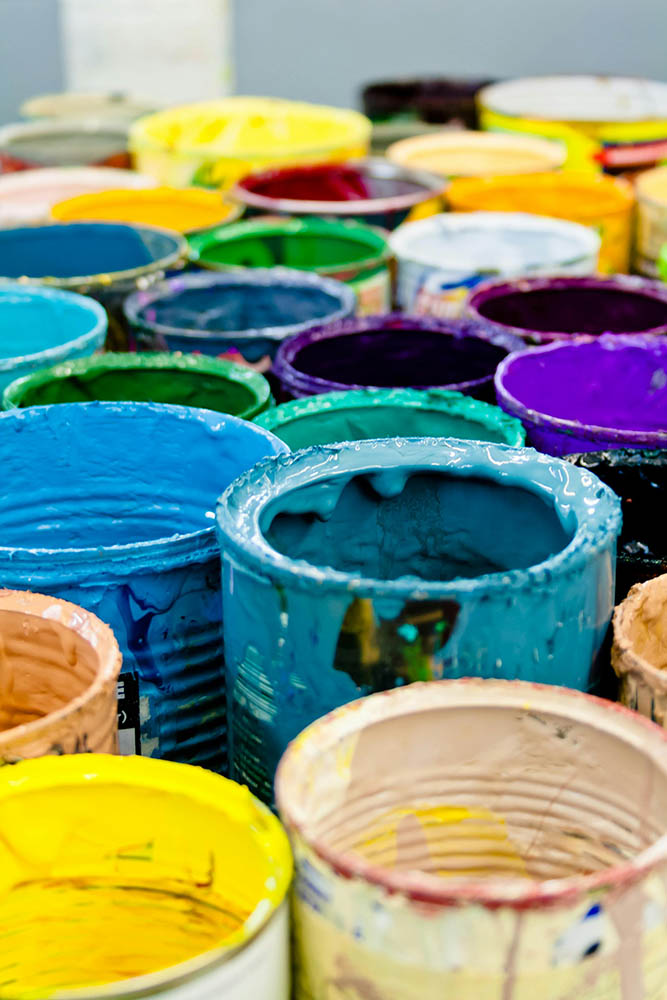
To reduce lead exposure, the movement to end childhood lead poisoning has rightly focused on paint. CGD's own research has documented how rich countries continue exporting lead chromate pigment to poor countries, and how weak regulations, as well as lack of enforcement, have allowed lead in paint to persist. But there is another exposure route that receives far less attention, which can be equally preventable: toys.
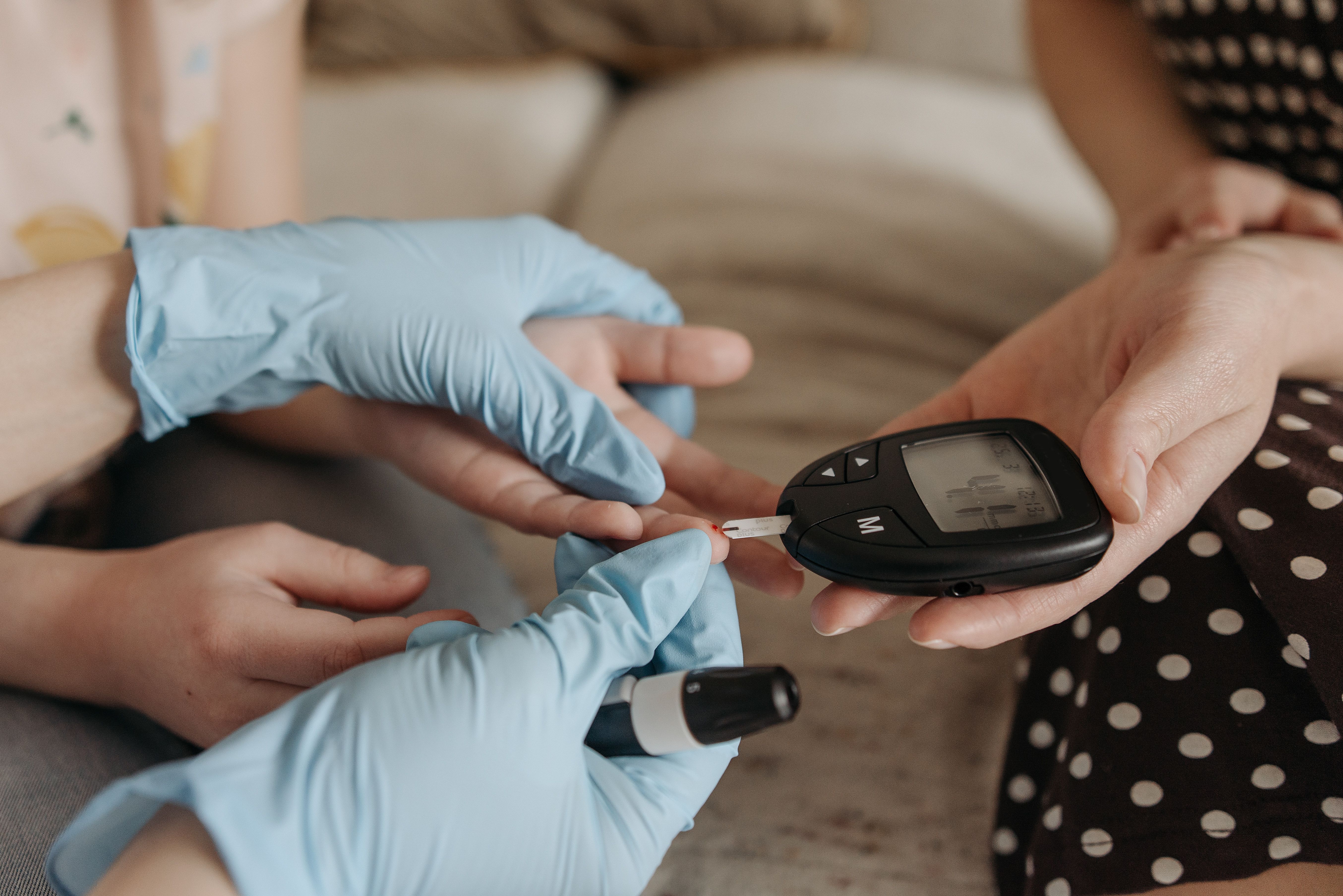
One in three children globally has elevated blood lead levels. A significant and underappreciated share of that burden could come not from the toys in children's hands. Lead is one of the most well-documented neurotoxins known to science. Even low levels of exposure can cause irreversible damage to a developing brain, reducing IQ, impairing attention and impulse control, and affecting language development, with consequences that follow a child into adulthood.
The World Health Organization has long listed toys alongside paint, ceramics, and jewelry as documented sources of childhood lead exposure, but most countries lack toy-specific regulations.
How large is the contribution of toys to the global lead burden?
No precise estimate exists, but available evidence shows that it could be an important source. Seventy percent of the world's toys are imported from China, where a 2016 Greenpeace and IPEN investigation found that one in ten toys contained high levels of lead. A systematic review of 39 source attribution studies across 26 countries flagged toys as an understudied exposure source, with their contribution to children's blood lead levels poorly understood. A study in Shanghai found that playing with plastic toys is a statistically significant independent risk factor for high blood lead levels in children. Quantifying the precise share of burden that exposure through toys carries should be a research priority.
Borders are not stopping toxic toys from entering the US or the European Union from China. Last year, a recall was issued in the US for toys exceeding the federally allowable lead threshold, and it is among the countries best equipped to catch it. In low- and middle-income countries, where regulatory capacity is scarce, toxic toys circulate freely. In Colombia, a peer-reviewed study found lead in toy paint in Bogotá reaching up to 47,600 ppm, more than 500 times the US regulatory limit. Honduras's consumer protection authority seized children's toys on suspicion of lead contamination from stores in Tegucigalpa and Comayagüela in early 2025. Peru's health authority has repeatedly found lead levels more than 13 times above the legal threshold in toys seized from Lima markets, however those same toys still circulate freely. Studies from Brazil and Nepal found lead in a significant share of toys tested, well above permitted thresholds. The EU's Safety Gate flagged over 600 toy alerts in 2024 alone.
At least one country in every region has found evidence of toys with high levels of lead, and countries where there is no evidence only suggest there is likely a surveillance gap.
The informal economy makes this harder to see and harder to address. Across low- and middle-income countries, a significant share of toys are sold through informal retailers like street vendors and open markets. Regulating what happens inside those markets is very difficult, making upstream interventions more needed. Stopping lead-contaminated toys at the border, or preventing their import in the first place, reduces the toxic supply. Border controls and import standards are among the few tools that can reach the informal economy, too.
The rise of e-commerce is exacerbating the problem. Large retailers based in China have become major toy suppliers globally and regulatory response is lagging. According to the European Commission, 4.6 billion packages from China reached the EU last year alone, which is double the amount that reached the EU the previous year and three times the 2022 number, and the vast majority was ordered through online platforms. Most products ordered are not checked: a joint investigation by consumer associations in France, Belgium, Germany, and Denmark tested 54 toys purchased from Chinese platforms and found that only one complied with European safety norms. In the US, products sold exclusively online were twice as likely to violate federal safety standards. In countries with weaker regulatory infrastructure, these toys arrive and are sold with no oversight.
Three things that need to change
First, lead regulations must explicitly cover toys, not just paint. According to WHO, 48% of countries have regulations controlling lead in paint, but no toy-specific bans. The Global Alliance to Eliminate Lead Paint has a real opportunity to extend its mandate, making toy-specific bans.
Second, import surveillance must be considered and staffed as a public health function, the problem is findable if we are looking.
Third, e-commerce platforms must bear importer-level liability for the products they sell. The EU's General Product Safety Regulation, which came into force in December 2024 is a good start. Before it was adapted, platforms could argue they were only connecting buyers and sellers with no legal responsibility for product safety. The GPSR now closes that loophole. Online marketplaces now need to ensure that products listed on their platforms are connected to an identifiable responsible party, they must remove dangerous products within two working days of a safety alert, and must have systems in place to prevent banned products from reappearing. This obligation applies to all products sold to EU consumers, regardless of where they’re coming from. Most countries have no similar regulations. This is why the same toys removed from European platforms continue circulating freely in low- and middle-income countries. Using this model as a standard and extending it to other countries could shift the burden of proof from overwhelmed customs agencies to the platforms that profit from the trade.
Conclusion
The global momentum around lead poisoning is real. The Partnership for a Lead-Free Future has mobilized over $150 million to address lead poisoning, representing a historic shift in political attention and financing for the problem. But for that momentum to fully protect children, we need to pay closer attention to toys.
If there is one product category that should be held to the highest safety standard, it is toys, which remain one of the least regulated sources of lead exposure in most of the world, but especially in low- and middle-income countries. This should not be an afterthought. Addressing it starts with recognizing toys as a serious regulatory gap.
This blog was updated on 07/23/2026.