Since December 2025, Madagascar has recorded the largest mpox outbreak in the African region. There have been nearly 5,000 suspected cases of the clade Ib strain and over 3,200 laboratory-confirmed cases, affecting almost 60 percent of districts in the country. Testing capacity has expanded since the outbreak's early months. However, with a 72 percent positivity rate for suspected cases and field reports of low health-seeking behaviour, the numbers likely underestimate the scale of the outbreak, which has caused several deaths, mostly in immunosuppressed patients.
Madagascar's initial vaccine allocation in March 2026 was 30,000 vials for a population of roughly 33 million. They have now received their second batch of 30,000 vials. This is still nowhere near enough to provide full coverage for those at risk in the face of rising cases. As a result, officials (like co-author Professor Randria, who is leading the country’s mpox response) have had to work out, in real time, how to protect the most people with far too few doses.
Luckily, Madagascar wasn't starting from scratch. In 2022, mpox broke out in Europe and the United States. The US Food and Drug Administration and European Medicines Agency, drawing on a 2015 trial, authorised a fifth of the standard MVA-BN dose delivered intradermally. The World Health Organization (WHO) later turned the accumulated evidence into an interim guidance permitting fractional, intradermal dosing in supply-constrained outbreaks.
Fractional dosing remains an underutilised approach. The only circumstances we are aware that it has been used for are the yellow fever outbreak in Angola and Democratic Republic of the Congo in 2015–16, the mpox outbreak in Europe and North America in 2022, and the ongoing polio vaccinations in certain countries.
Despite WHO’s interim guidance and evidence from the 2022 mpox outbreak in the Global North, the decision taken by Madagascar’s leaders to deploy fractional dosing as a national vaccination strategy was not easy. The existing evidence came from different populations, health systems, health-seeking behaviours, and transmission contexts, as well as a different strain of mpox altogether—clade IIb in Europe and North America in 2022, rather than clade Ib which is currently circulating in Madagascar and central Africa. Aside from Madagascar, the only planned use of fractional dosing as an extended vaccination coverage strategy for mpox took place in Uganda last year. While they have since seen a decline in cases, evidence from their approach is not yet available.
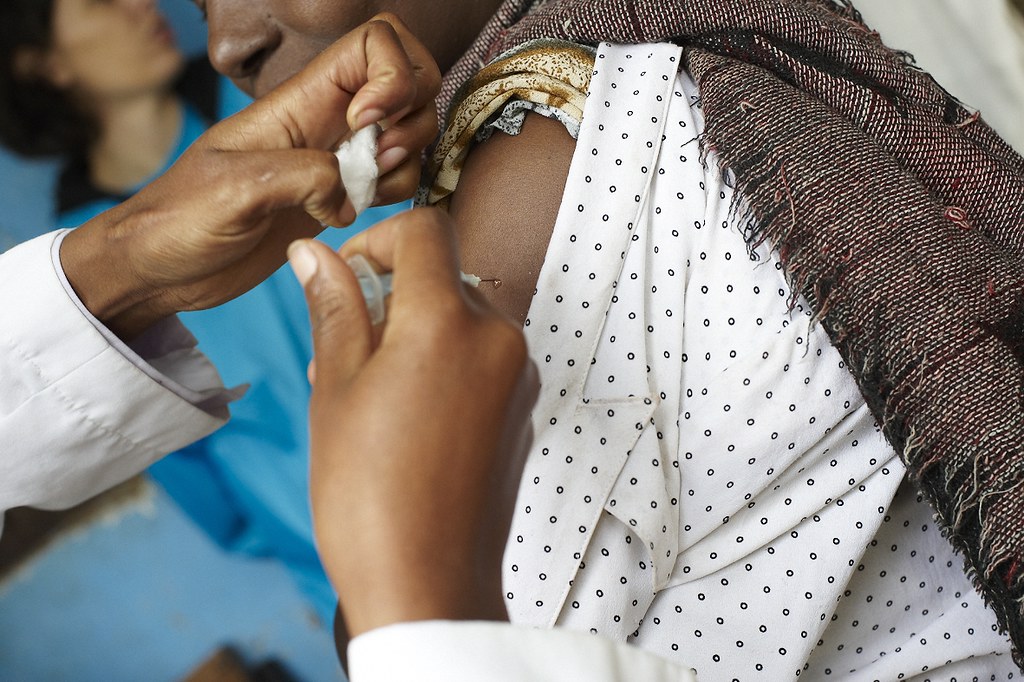
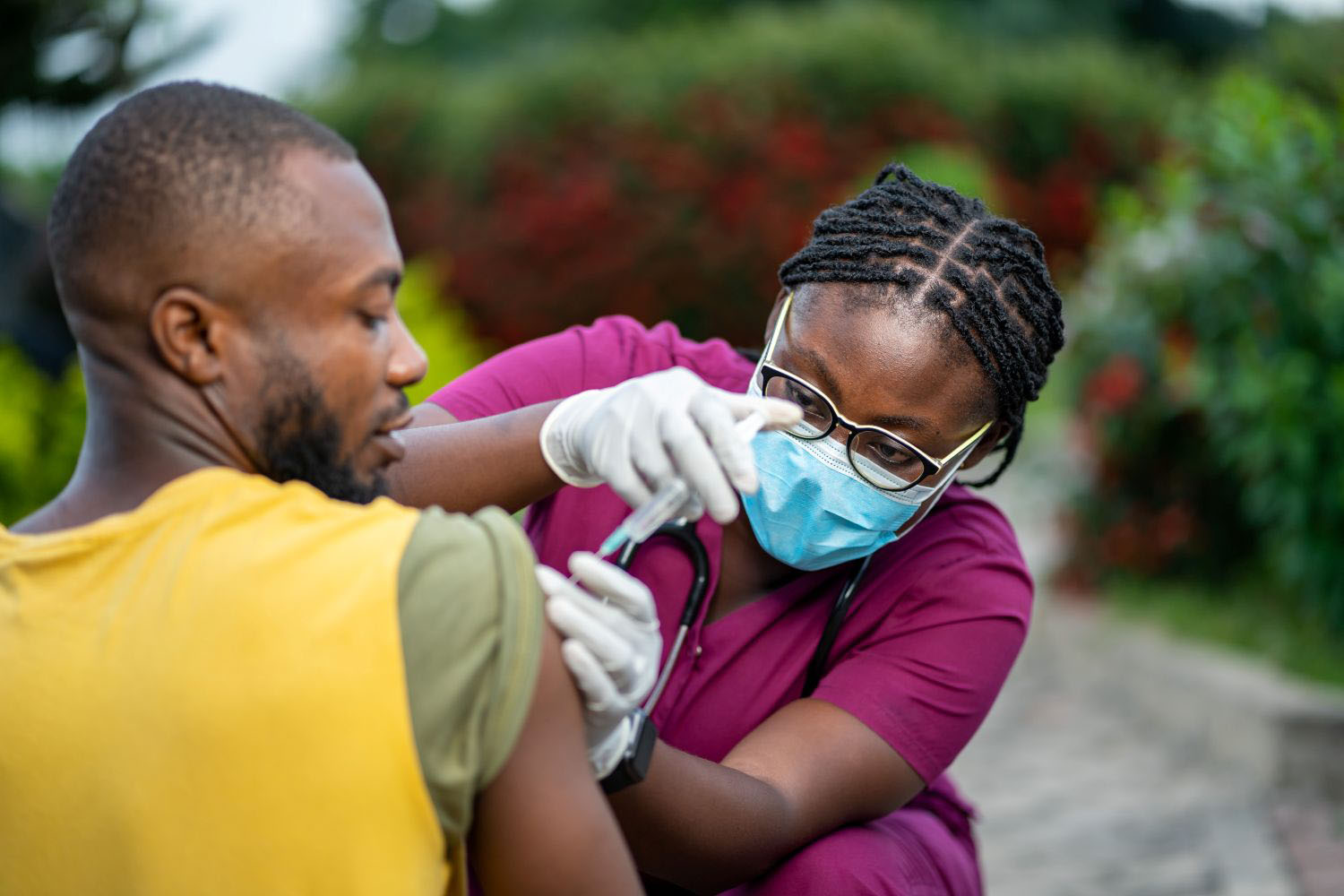
Applying existing evidence to a live outbreak with a much higher disease burden and many context differences took significant thought and scrutiny. Madagascar's officials ultimately judged that fractional dosing was appropriate, giving MVA-BN intradermally at a fifth of the standard dose.
The recurring concern when considering fractional dosing as a strategy to expand coverage during outbreaks remains the lack of evidence of its efficacy. Fractional dosing is an often necessary part of vaccine strategy. This is particularly true for low-income countries which have less ability to pay for, and access, vaccines during outbreaks than high-income countries. These are also the settings in which commercial incentives to investigate fractional dosing are the weakest.
Therefore, as the outbreak in Madagascar evolves, it is essential that three things follow:
First, we should treat vaccine rollouts utilising fractional dosing as opportunities for evidence generation. The case for fractional dosing is only as strong as the data behind it, and every rollout is a chance to strengthen it. Madagascar's population, the difficulty of surveillance and case testing, disease burden, and health system are not reflected in the literature on fractional dosing. A prospective cohort or outbreak-based case-cohort design, with laboratory-confirmed infection and severity as the endpoints, would compare recipients of the fractional dose against those not yet vaccinated—generating effectiveness estimates for the regimen actually in use, since no standard-dose group exists to benchmark against. A rigorous evaluation of coverage, immune response, and outbreak impact here would be valuable well beyond Madagascar, and it would be a shame for that data to go uncollected.
Second, we must build in incentives for fractional-dosing evidence in trials for novel vaccines. Phase 2 and 3 clinical trials should ideally provide data on safety and efficacy of testing lower doses and alternative routes of administration; this could be encouraged by target product profiles that list dose-sparing immunogenicity and safety data as a preferred characteristic, and perhaps eventually mandated as part of the regulatory dossiers that companies submit. Where regulators are slow to move on this, philanthropic funders should fund this additional data or build it into funds allocated for vaccine clinical trials.
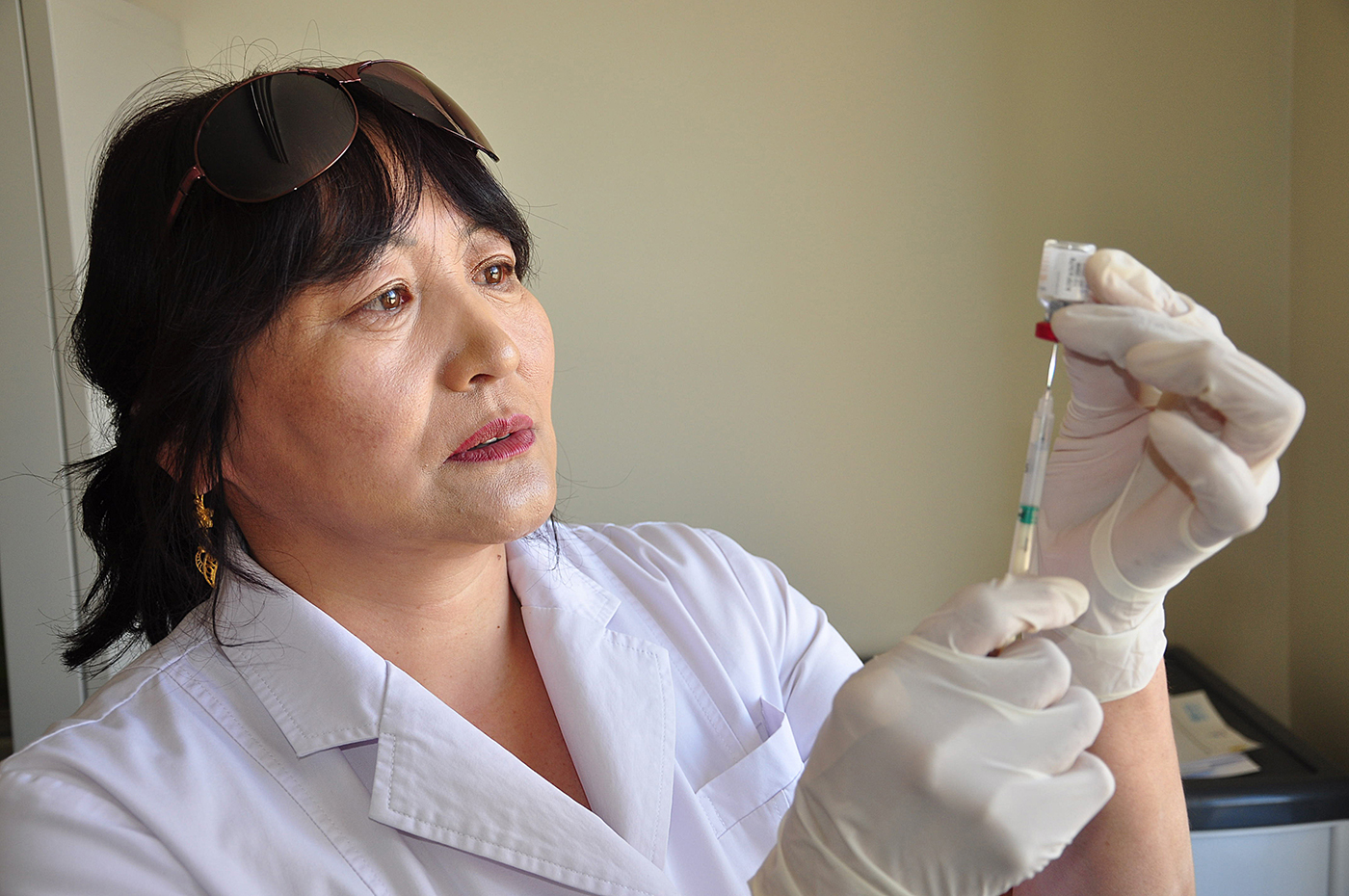
And third, operational protocols on implementing fractional dosing policy should be routinely created. Countries need concrete, field-ready protocols covering when to activate fractional dosing and in which populations, training for intradermal technique and precise volume-drawing, supply chain management for syringe and needle procurement, and waste management. Interim guides should be regularly reviewed and converted into ready-to-use protocols before the next shortage. These should ideally sit with national immunization technical advisory groups, supported by WHO SAGE and regional public health and regulatory bodies.
Although Madagascar’s allocation, even stretched fivefold, remains too small for the population, fractional dosage has helped extend protection to more people. Looking forward, we cannot rely on evidence from outbreaks in high-income countries only, or the emergency decision-making of resource-constrained local public health officials. Rather, we must generate the evidence, guidance, and protocols proactively to support countries like Madagascar before outbreaks occur.